Source:Best Coffee > News Author:qjroot Published:2024-06-27 09:39:06
Costa Rica is one of the world’s major coffee producing and exporting countries, thanks to its fertile volcanic soil, mild climate, and abundant rainfall, which provide ideal natural conditions for coffee cultivation.
It has been reported that in Desamparados County, San José Province, central Costa Rica — one of the country’s major coffee-growing regions — many coffee farms have experienced reduced yields, with some seeing declines of up to 15%.
Rainfall is crucial for the flowering process of local coffee trees. Normally, Costa Rica should enter the rainy season in April, but from March to April this year, there was no rain in the region. As a result, the coffee tree buds did not receive enough moisture to bloom, leading to fewer coffee cherries than in previous years. In addition, the environment for coffee growth has become hotter, making coffee trees more susceptible to certain fungal diseases. It is expected that there will be a reduction in coffee yield during the 2024/25 harvest season.
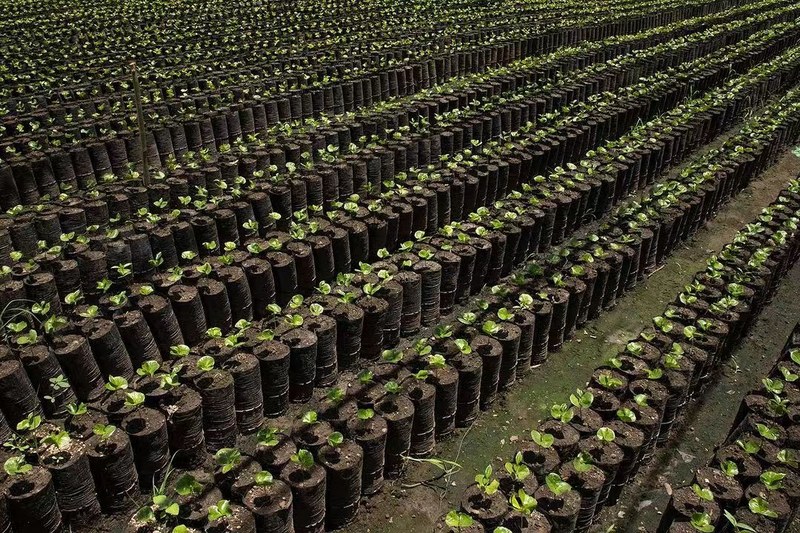
Additionally, currently, Costa Rica’s coffee trees are facing widespread aging issues, and planting new coffee trees also requires water. However, there were only a few days of light rainfall in May this year, so the work of planting new coffee trees was postponed until June. This disrupted the normal rhythm of plantation operations and increased management costs. Moreover, due to rising temperatures, coffee beans at both low and high altitudes are ripening at roughly the same time, but there is not enough labor available for harvesting.
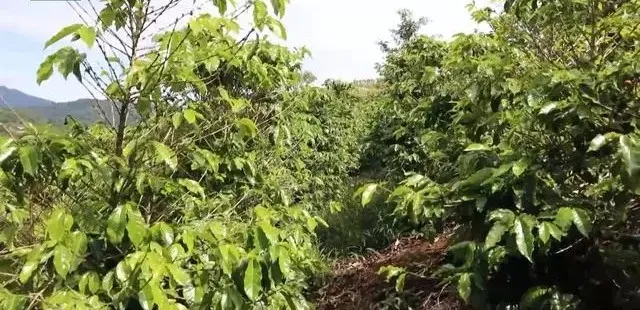
Moreover, around 27,000 coffee growers in Costa Rica are facing these challenges. According to an earlier report on the Costa Rican coffee industry, the coffee production for the 2023/24 season was 1.44 million bags (60 kg/bag), but the production for the 2024/25 season is projected to be 1.18 million bags, a decline of 18%.
However, the Costa Rican government, along with coffee growers and research institutions, is currently adopting a variety of measures to mitigate the negative impact of climate change on the coffee industry.
Meanwhile, multiple research institutions, including the Costa Rica Coffee Institute, are promoting coffee cultivation methods better suited to the local climate and developing drought-resistant coffee varieties to support the development of Costa Rica's coffee industry.
Related Reading






Comments (0)
Loading comments...
You May Be Interested




Trending Reviews
Popular Videos

With you, wherever you are! We provide useful features to help you find new things you'll love






