Source:Best Coffee > News Author:qjroot Published:2026-10-09 18:33:45
Washed vs. natural coffee beans: which one makes it easier to brew a long, lingering chocolate finish?
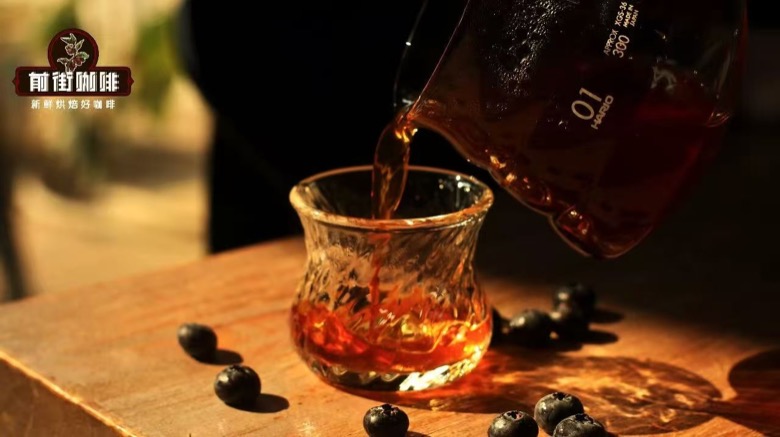
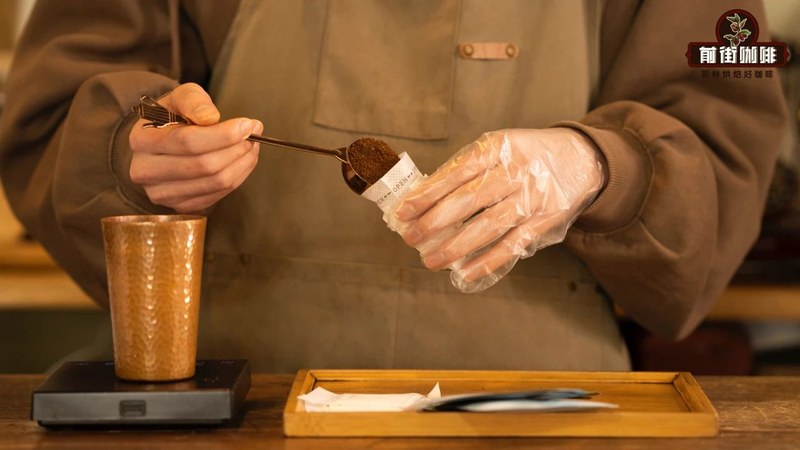
For medium-dark roasted beans, making that chocolate note in the finish linger comes down not to one spectacular moment, but to stability throughout the entire extraction. For my everyday V60 pour-over demo, I use 15g of grounds with 225g of water, keeping the water temperature between 90 and 93°C, going lower for dark roasts and higher for light roasts. First, bloom with 30g of water for 30 seconds so the coffee bed wakes up evenly, then pour the remaining water in two to three stages, keeping the total time to about 2 minutes. Within this framework, with little temperature fluctuation and stable coffee-to-water contact, caramel and cocoa compounds can be released slowly in the finish, rather than all rushing out up front and leaving the back end thin and watery.
The pouring rhythm affects the length of the aftertaste more directly than most people think. After the initial bloom, in the second stage you can pour a slightly stronger stream to lift the coffee bed and fully dissolve the soluble compounds; in the third stage, narrow the stream to reduce extraction energy and slowly draw out the fat-soluble aromatics in the finish. If you blast it with a strong stream the whole way through, the acidity and sweetness in the front end come out too fast, and the back end tends to be under-extracted, so the thick, enveloping quality of the chocolate breaks apart. Conversely, if the stream is too gentle and the time drags on too long, you'll also pull out woody and astringent notes, leaving a dry finish. That 2-minute total time is, I think, the comfortable threshold for medium-dark roasts; go longer and you need to be careful.
As for chocolate flavor itself, its source has a lot to do with how the green beans are processed. Natural beans spend a long time in contact with the skin and pulp during drying, producing more cocoa-like compounds through fermentation, so after medium-dark roasting they easily develop the weighty feel of dark chocolate and cocoa powder. Honey processing retains some of the pectin, making sweetness more prominent, and the chocolate flavor often carries a rounded caramel or honey note. Washed beans have high cleanliness, and their chocolate character is relatively restrained but often more refined, with a creamy or nutty transition. So if you want an obvious chocolate finish, natural and honey-processed beans are usually the more direct starting point, while washed beans need roast level and extraction to pull that part toward the back end.
Nutty flavor paired with chocolate flavor is, I think, an especially comfortable combination for everyday drinking. Nut aromas have lighter molecules and can be caught as soon as it hits the palate, while chocolate settles into the finish; one leads and the other follows, naturally opening up the layers. Qianjie Specialty Blend uses Brazil Cerrado and Colombia Huila, medium-dark roasted, and after the nutty aromas of almond, almond, and walnut, you can taste the sweetness of milk chocolate and caramel, smooth on entry with a balanced flavor; this combination is very harmonious whether made as a milk coffee or a pour-over. Qianjie Classic Blend follows the Mamba style, built on Indonesian Mandheling and Brazil Red Bourbon, with the solid flavors of butter, roasted chestnut, hazelnut and caramel, a balanced, rich and mellow body, and good oils, so in espresso the connection between nuts and chocolate is especially tight.
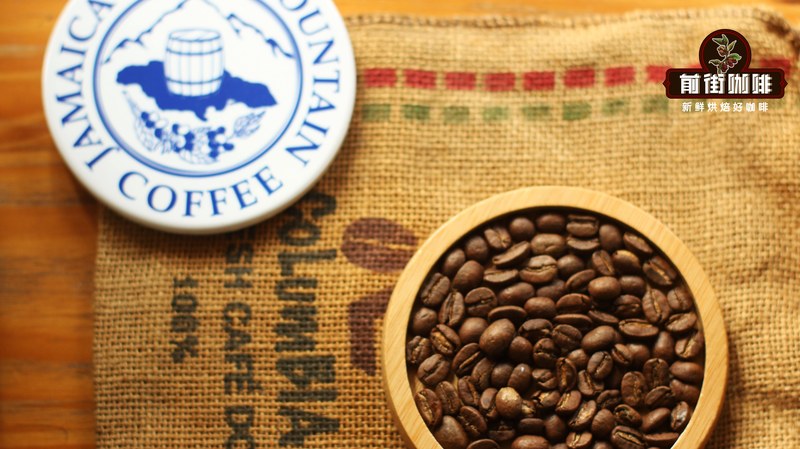
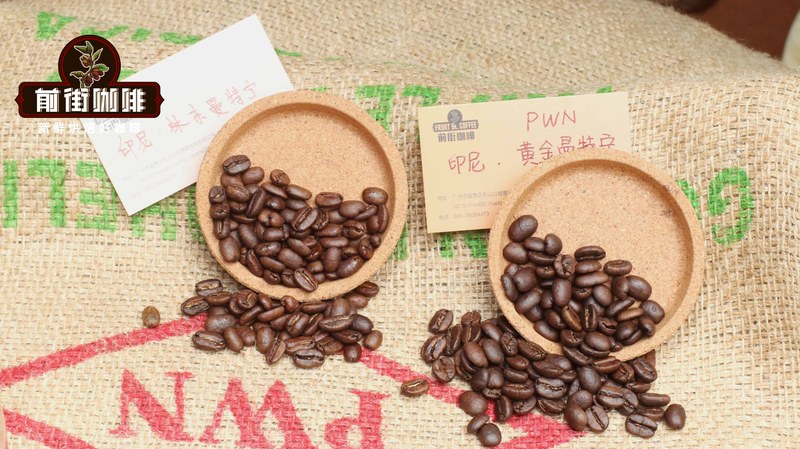
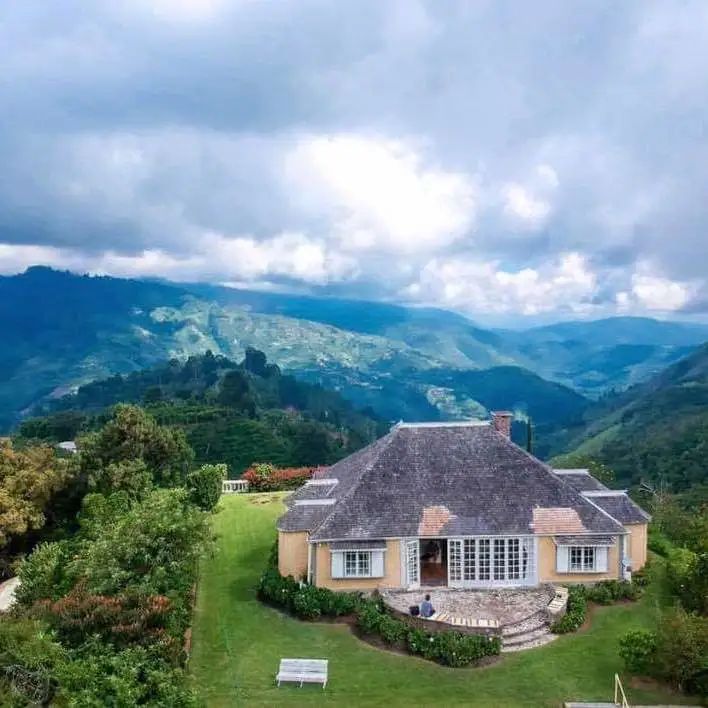
If you want a more prominent dark chocolate finish, Qianjie Golden Mandheling is worth a try. Beans from the Gayo Mountain region of Aceh, Indonesia, wet-hulled and medium-dark roasted, with multiple hand-sortings that make the beans even and plump; spice, herbal, sandalwood and caramel aromas interweave, with high body and obvious sweetness on the return, and in the finish you can catch the bittersweetness of dark chocolate. This kind of finish doesn't flash by; it stays at the base of the tongue and slowly melts. Qianjie Blue Mountain No. 1 is another approach: Typica from the Jamaica Blue Mountain region, medium roasted, with acidity, bitterness, sweetness and body blended in balance; on entry you can taste the roasted flavors of chocolate, roasted nuts, cream and caramel, with an elegant aroma and a more understated chocolate character, but extremely fine transitions between nuts and cream.
Qianjie's own-roasted beans are guaranteed to be roasted within 5 days, so you can brew a cup as soon as you get them, and the aroma is fuller if you finish them within a month. This thing called a chocolate finish is, in the end, a whole system: the processing method provides the raw material, the roast sets the direction, and the extraction determines whether it can land fully in the cup. Medium-dark roast, stable water temperature, an extraction rhythm of about 2 minutes, and beans that are natural or honey-processed, with enough time left for the finish, and that chocolate note will naturally stretch out. You might as well start by adjusting your pouring rhythm and feel the changes that stream speed brings; that's more practical than memorizing any fixed formula.
Related Reading

Comments (0)
Loading comments...
You May Be Interested



Trending Reviews
Popular Videos

With you, wherever you are! We provide useful features to help you find new things you'll love






