Source:Best Coffee > News Author:qjroot Published:2024-11-23 18:39:36
In recent times, the benchmark price for the coffee bean industry, the U.S. C-type coffee futures price, has been soaring continuously, breaking through the 300-cent mark, reaching a high of 303.93 cents/lb, and finally closing at 302.92 cents/lb, setting a 13-year record high in futures history, while also driving up the price of Robusta coffee futures.

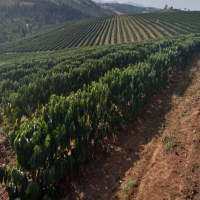
As is widely known, Brazil is the world's largest coffee-producing country, and Brazilian coffee can be said to almost prop up the entire coffee industry. Therefore, Brazil's coffee output is a major factor affecting ICE Arabica stocks and determining Arabica futures prices. Recently, reports from multiple institutions indicate that due to long-term climate impacts, the coffee harvest potential of many countries in the new season has dropped sharply.
The recent price increase stems from data recently released by the Foreign Agricultural Service (FAS) of the United States Department of Agriculture. According to the data released by FAS, Brazil's coffee production for the 2024/25 season is expected to be 66.4 million bags (60 kg/bag), far below the earlier production forecast of 69.9 million bags released by the United States Department of Agriculture (USDA), a decrease of 5%. In addition, FAS also expects Brazil's coffee stocks to be 1.2 million bags by the end of the 2024/25 season, a year-on-year decrease of 26%.
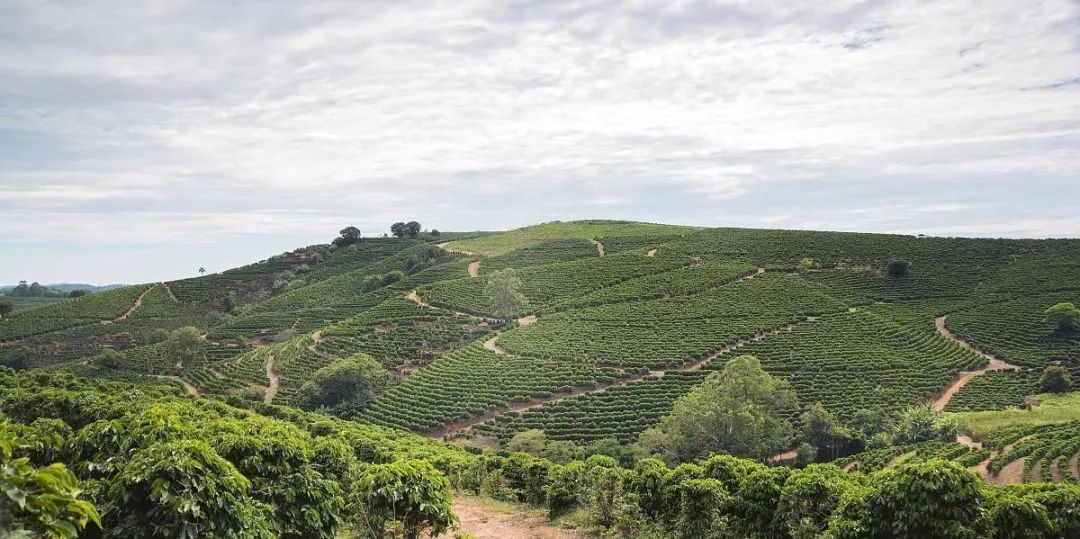
The agricultural supply and demand reports regularly released by the United States Department of Agriculture have a huge impact on the agricultural futures market. These reports include planting area forecasts, production estimates, inventory data and more, directly affecting the price trends of agricultural futures. Because the forecast for Brazil's coffee production has now been significantly lowered along with a bearish view on inventory levels, market concerns about Brazil's coffee supply have been triggered, causing Arabica coffee prices to rise sharply.
In addition to FAS, Brazil's National Supply Company (a government agency) Conab also earlier lowered its forecast for Brazil's 2024 coffee production, from 58.8 million bags to 54.8 million bags. Moreover, many institutions have also lowered their forecasts for Brazil's coffee production, so it can be said that the market is generally bearish on next year's Brazil coffee production, leading to concerns about supply.
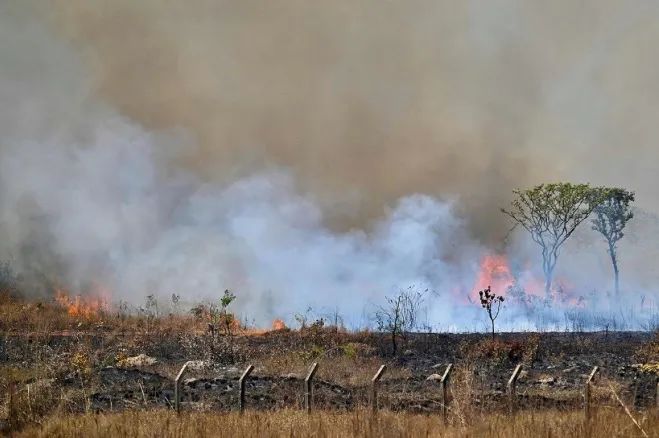
Since April this year, Brazil has been suffering from severe weather. According to data from Cemaden, Brazil's National Center for Monitoring and Early Warning of Natural Disasters, Brazil is facing its driest, most arid weather since 1981. In the coffee-producing regions of south-central Brazil, rainfall has consistently been below average, with some areas recording no rainfall for more than 5 months. This situation has damaged coffee trees during the most important flowering stage, and even affects the outlook for coffee production in the 2025/26 season.
Although rain began to return in Brazil in October, which can ease the drought to some extent, it is difficult to make up for the losses suffered by coffee trees during the drought.In addition, although international coffee prices have been high recently, which is favorable for exports, Brazilian green bean traders are currently slowing down their pace of coffee sales, all because the future coffee production is uncertain. Green bean traders need to ensure they have enough coffee beans in stock to sell in the future, so they are slowing down the pace of sales, which has also pushed up international coffee prices.

Currently, in addition to Brazil, several coffee reports show that coffee exports have been affected. For example, Honduras, the world's fourth-largest arabica producer, was hit by Tropical Storm Sara, which triggered flooding, led the entire country to enter a 30-day state of emergency, and caused severe damage to infrastructure across various regions, as well as damage to agricultural equipment. In the department of Lempira alone, cumulative losses reached 400,000 quintales (20,000 tonnes) of coffee crops, with other regions also suffering severe damage.
As the coffee industries of multiple countries have been affected to varying degrees, especially in the most important country, Brazil, even if the EU confirms that it will EUDR postpone implementation by one year, and even though coffee production in Colombia, the second-largest arabica-producing country, has increased, futures prices still remain high and may stay that way until 2025.
To learn more news and information about coffee origins, please scan the QR code to follow: Coffee Review
Long-press the QR code to follow:

Related Reading




Comments (0)
Loading comments...
You May Be Interested



Trending Reviews
Popular Videos

With you, wherever you are! We provide useful features to help you find new things you'll love






