Source:Best Coffee > News Author:qjroot Published:2026-05-18 11:42:39
When it comes to Ethiopian coffee, many people think of Huakui coffee. This coffee bean can be said to be one of the most well-known coffee beans in Ethiopia, and it is now in its 8th year of release, having reached Huakui 8.0. However, many people are curious: which producing region in Ethiopia does this coffee bean come from?
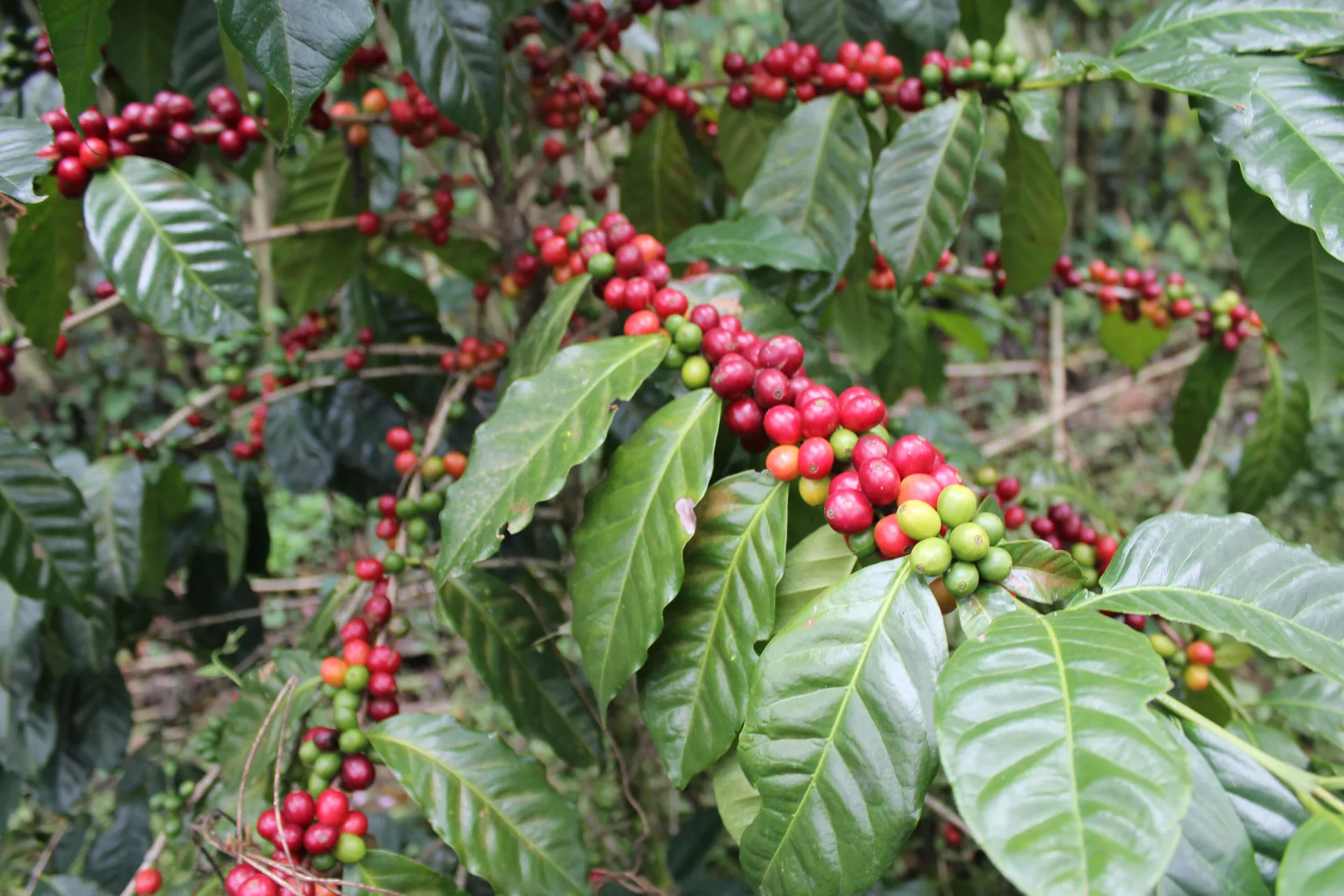
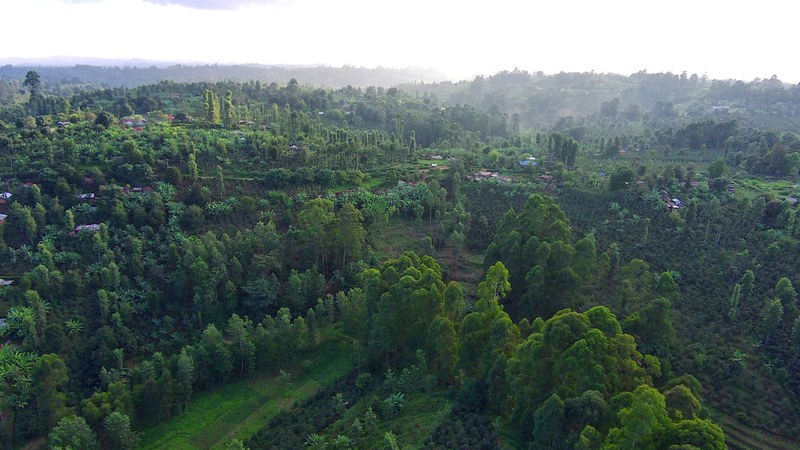
In fact, Huakui comes from the well-known Guji producing region, located in the south of the country and administratively part of Oromia, the country's largest state. This area has many mountains, valleys and plains, with an average altitude above 1800 m, a large temperature difference between day and night, and most of it is undeveloped dense forest. Its geology is volcanic soil, and the complex and varied terrain provides diverse microclimates here, making it an ideal coffee-growing area.
At first, however, this area was rather remote and transport was not particularly convenient. Initially, grazing and agriculture dominated here, and later it gradually attracted attention after large amounts of minerals were discovered. Only in recent years, as the coffee quality of the area was gradually discovered, did the coffee industry begin to rise rapidly; it can be said to be a rising star.
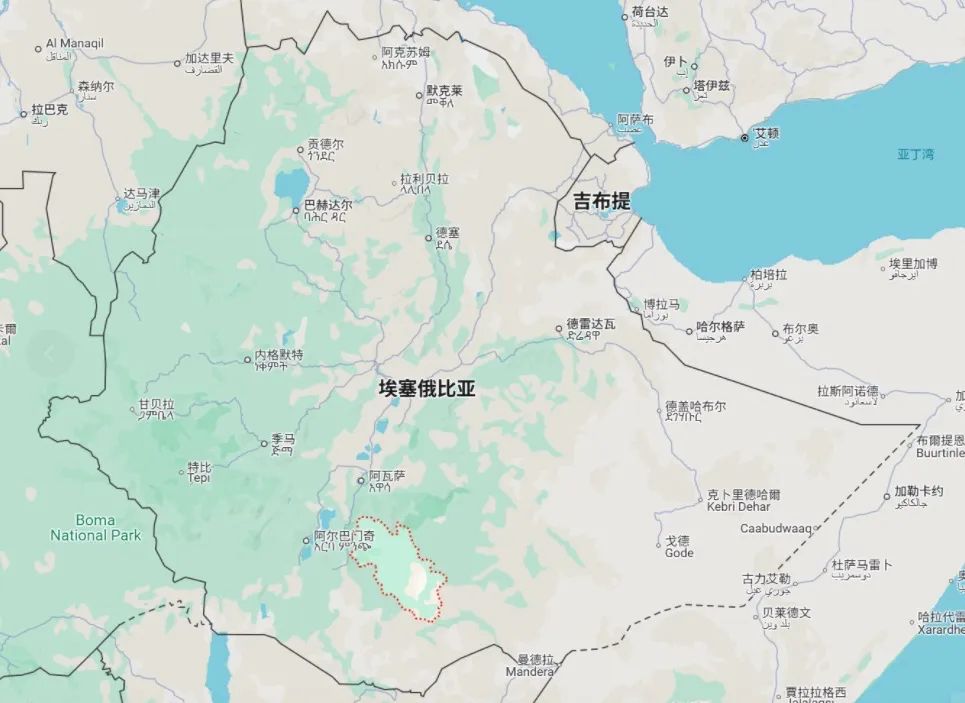
In terms of coffee producing region classification, this region's history is very similar to that of Yirgacheffe: both were originally part of the Sidamo producing region, and in 2010, according to the classification of the country's unique Commodity Exchange (EXC), Guji became an independent new coffee producing region thanks to its high-quality and distinctive flavors.
Under the Guji producing region are several well-known sub-regions, such as Hambella, Shakiso and Uraga. Among them, Hambella is the birthplace of the "Huakui" coffee bean.
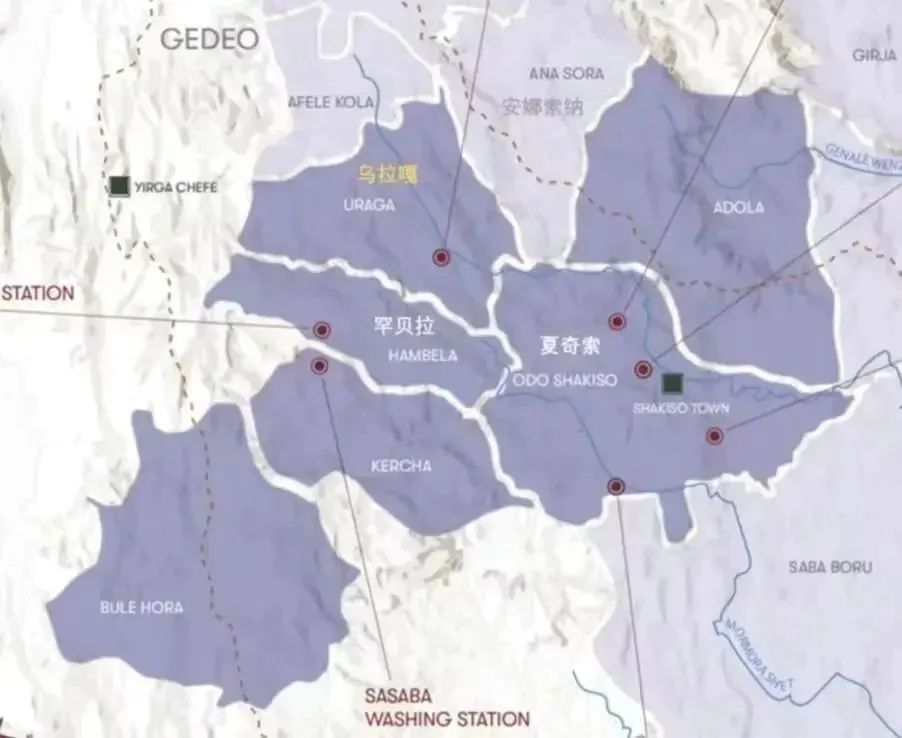
Hambela is in fact a coffee farm belonging to the locally well-known METAD Agricultural Development PLC. It is both an independent coffee farm and the main processing station for the surrounding growing area, processing coffee grown in the vicinity and selling it as a single separate lot. As a local Ethiopian coffee export company, METAD was founded by Aman Adinew in 2013, with coffee coming from the Gedeo Zone and Gedeb District of the Southern Nations, Nationalities, and Peoples' Region (SNNPR), and the Guji Zone and Hambela Estate of the Oromia Region.
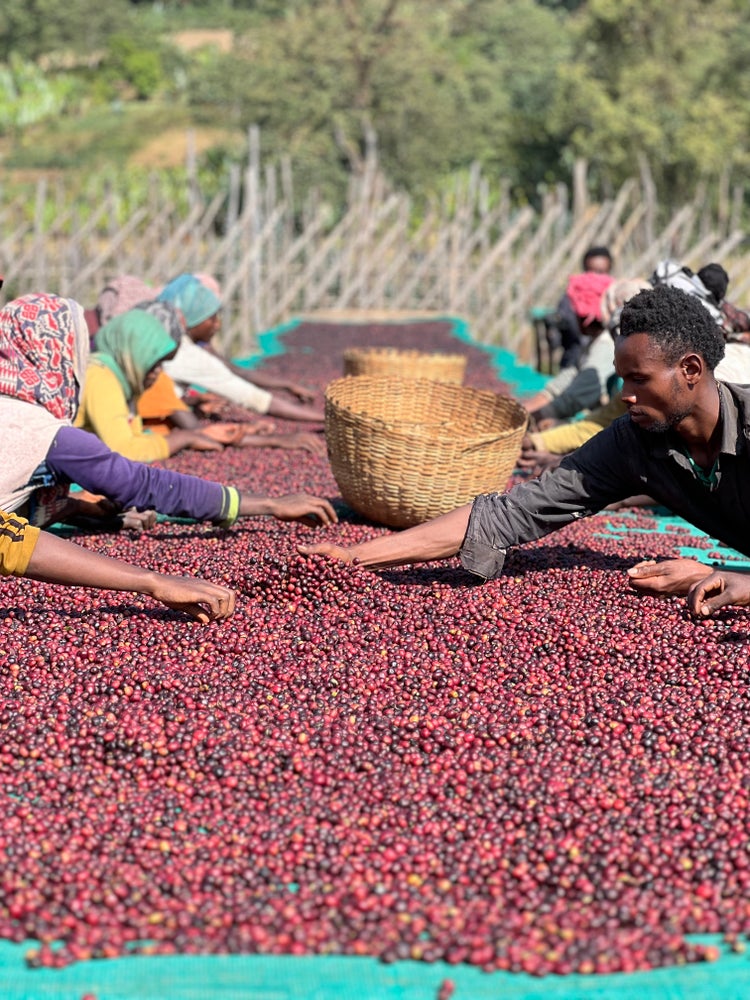
Aman comes from a coffee family; his grandmother opened coffee farms in Ethiopia's Harar and Sidamo regions last century, and Aman himself also served as Chief Operating Officer (COO) of the Ethiopia Commodity Exchange (ECX). After leaving government service, in order to help modernize the local coffee industry, he began building his own company METAD, and works with thousands of smallholder farmers in Yirgacheffe and Guji.
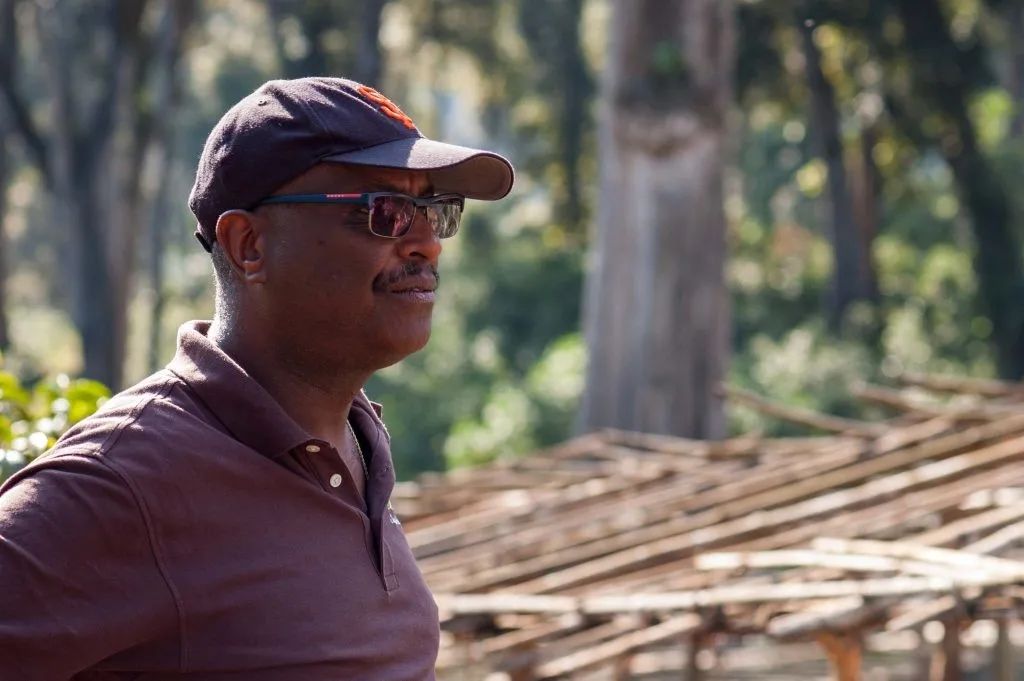
The entire Hambela farm covers 200 hectares and is about75 km from Yirgacheffe,bordering other Guji sub-regions to the east, south and north, and located in Ethiopia's finest coffee heartland. The growing altitude here reaches as high as 2100-2300 m, and the region's greatest advantage lies in its dense forests, which provide the area with abundant natural fertilizer. Its processing station is already quite professional and well developed in terms of equipment, management and scale. Add to that the fertile volcanic soil, natural organic farming, and relatively mature post-harvest processing methods, and these are all key factors that have made the coffee here the most explosively popular sub-region in recent years.
In 2017, the African Fine Coffees Association held a harvest-season flavor competition for green beans, TOH. DW COFFEE EXPORT submitted a naturally processed coffee produced at its Buku Abel processing plant in Hambela for this competition, and this coffee won the championship in that year's natural category with its intense berry aroma and creamy texture.
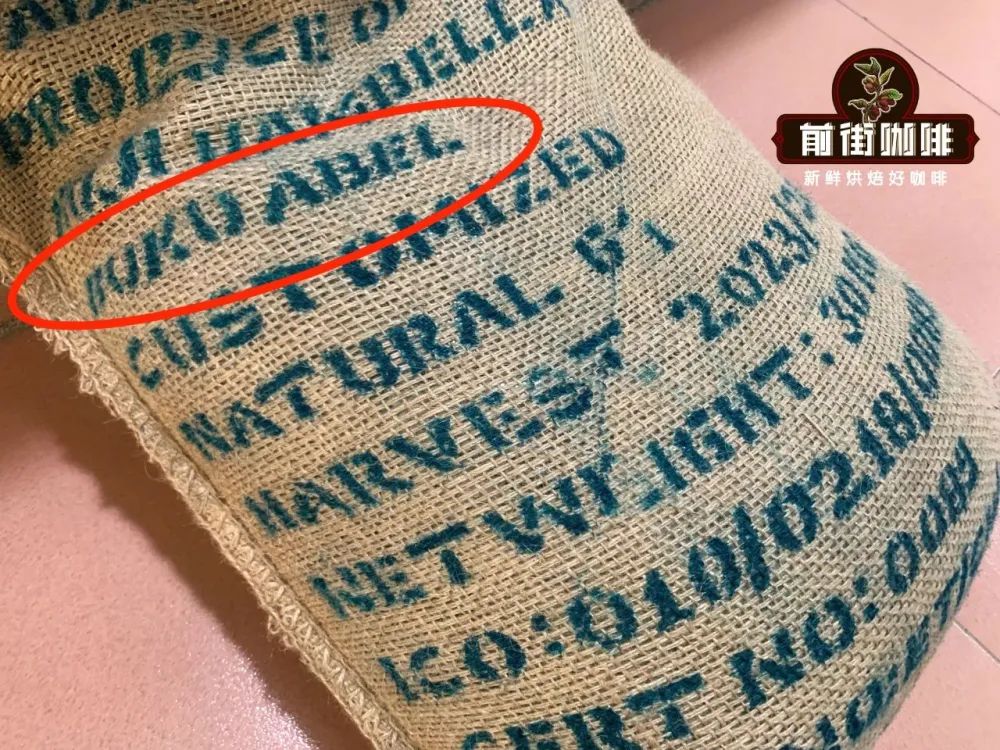
Initially, according to the traceability information at the time, this coffee bean was a natural-process bean from the Hambela sub-region of Guji, produced by the Buku Abel processing station, and its name was simply "Hambella". Later, this bean was spotted and introduced by a Chinese green coffee buyer, who considered its flavor to be excellent, and therefore named it "Huakui", meaning "chief of a hundred flowers", and launched it on the domestic market under that name.
In addition, in the same year, in the China region of the World Brewers Cup, contestant Li Jianfei from Beijing chose this Huakui coffee bean to compete, and defeated a host of Geisha coffee beans, achieving the excellent result of runner-up, which also added considerably to the fame of Huakui coffee beans in the domestic market.
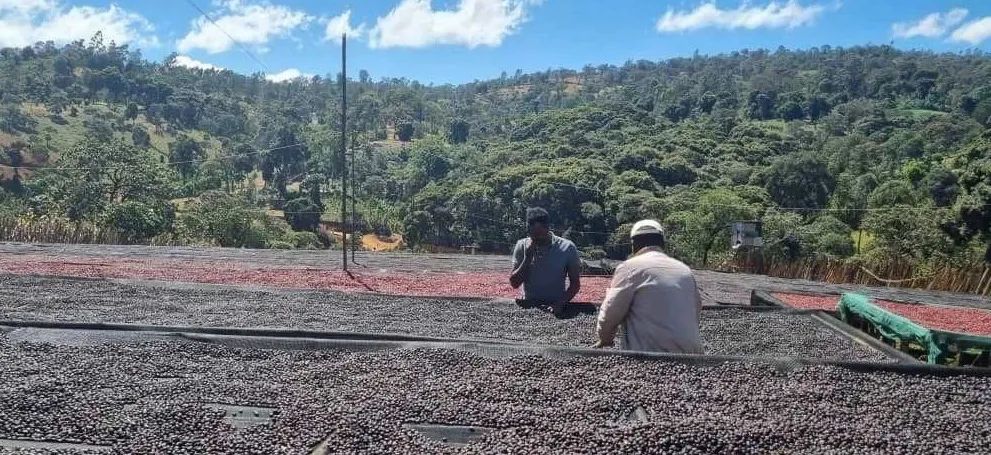
After the "Huakui" coffee bean became famous, DW Company, in order to meet market demand, began to add coffee processing plants in Dimtu town, the core coffee-producing area of Hambela, and started purchasing coffee beans produced by nearby villages for the production of "Huakui" coffee beans.
However, coffee is still a crop, and even in the same region, its quality varies from year to year due to climate, rainfall, fertilization and many other factors. In addition, during the coffee bean processing, subtle differences in temperature, humidity and sun-drying conditions also affect the final flavor. Therefore, today's "Huakui" coffee differs to some extent from the original "Huakui" coffee bean that competed in the competition.
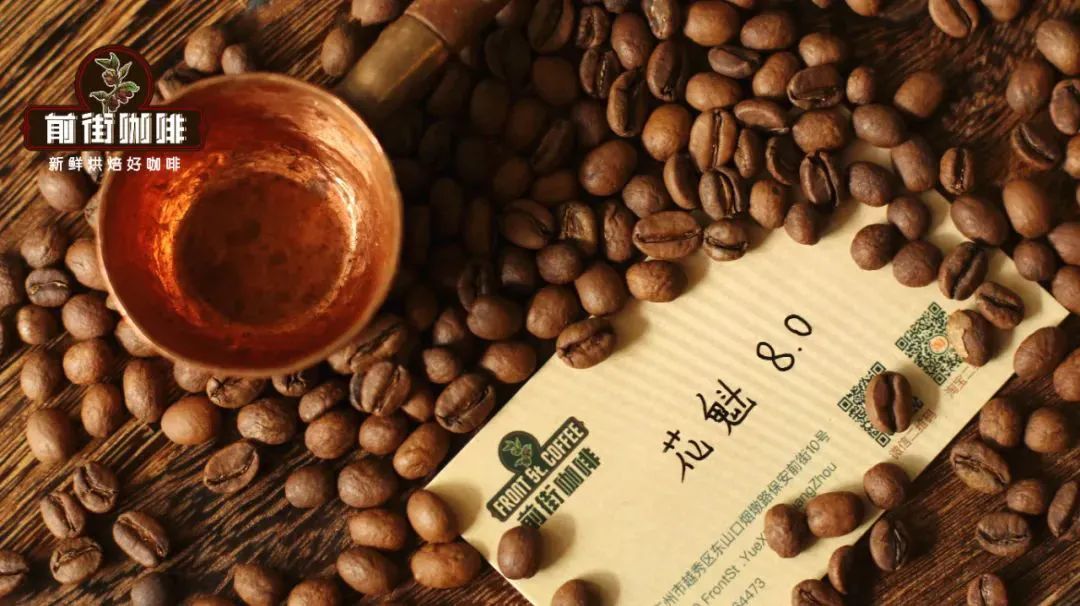
Therefore, to distinguish it from the original, each subsequent year's Huakui coffee batch would be named "Huakui X.0". For example, the batch released in 2018 was "Huakui 2.0", and so on, so this year's batch is Qianjie "Huakui 11".
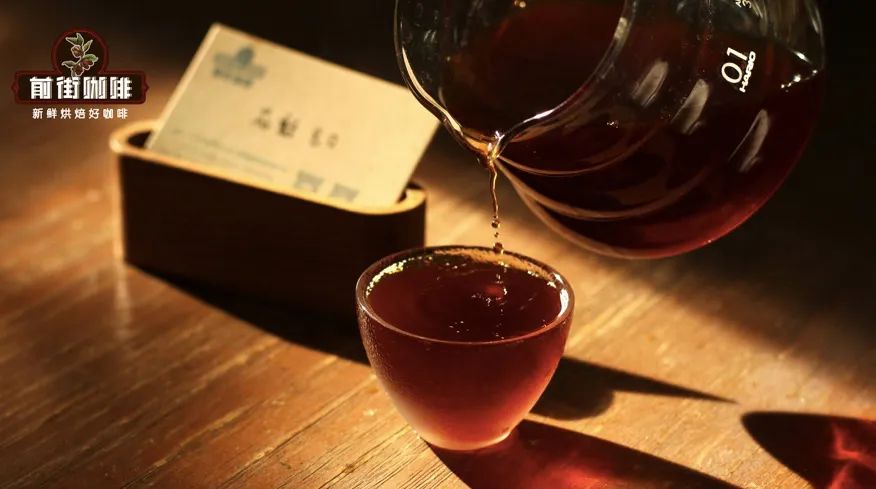
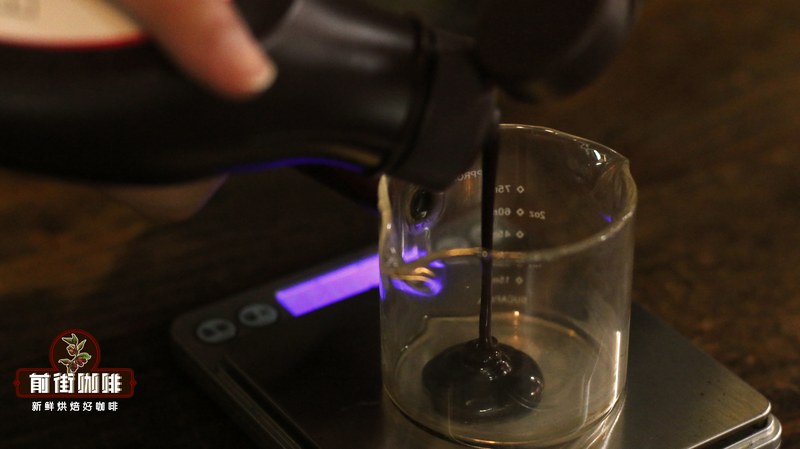
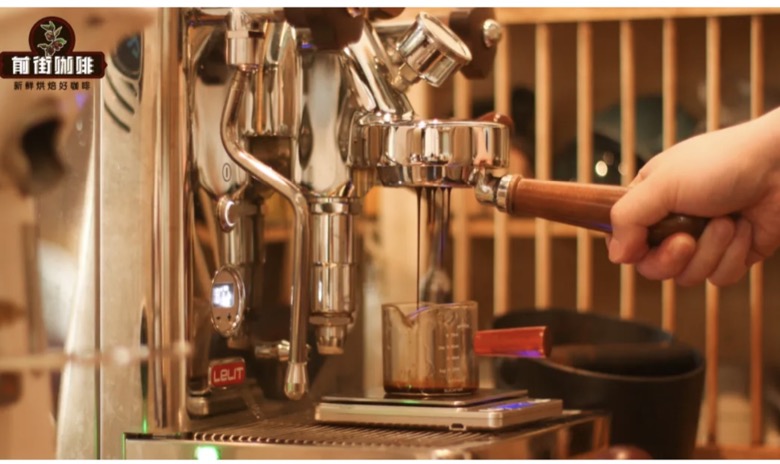
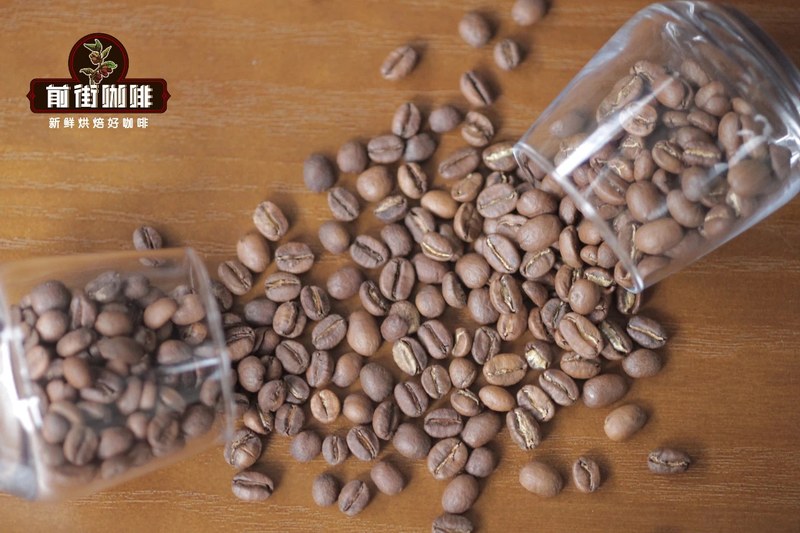
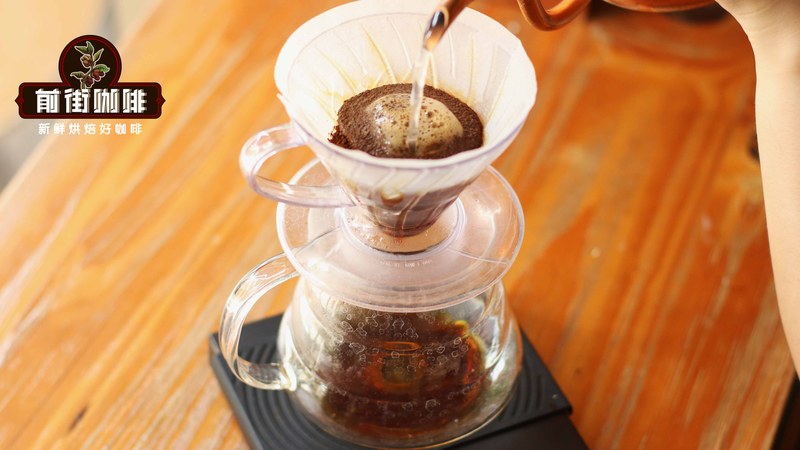
Since Ethiopian coffee beans are represented by their fruity acidity, and Huakui is mainly processed by the natural method, which gives the beans complex fruit aromas along with fermentation aromas, Qianjie uses a light roast to highlight the characteristics of Huakui coffee beans. After brewing, there are tropical fruit flavors such as mango and citrus, a round mouthfeel like juice, and a black tea note in the finish, with rich layers.
Related Reading

Comments (0)
Loading comments...
You May Be Interested

Trending Reviews
Popular Videos

With you, wherever you are! We provide useful features to help you find new things you'll love






