Source:Best Coffee > News Author:qjroot Published:2024-12-09 15:49:48
, , , ?
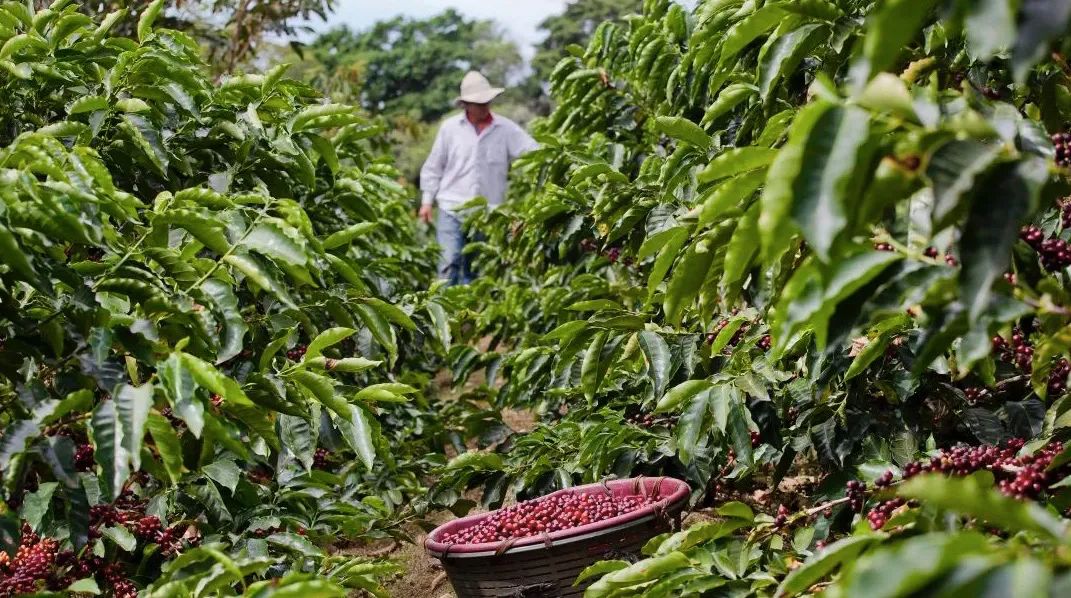
Best Coffee believes this is thanks to Costa Rica having climate and topographical conditions very well suited to coffee cultivation, as well as the government placing great importance on the coffee industry, strictly requiring the production of high-quality coffee; at the same time, many farmers in Costa Rica are skilled at using the Honey Process in coffee production, making the coffee's sweetness and fruit-like aromas fuller.
Located in the Central American isthmus, Costa Rica is influenced simultaneously by the ocean currents and monsoons of both the Pacific and the Atlantic, forming suitable temperatures and a unique microclimate in Costa Rica. The coffee-producing regions are concentrated in the central part of the country, which is traversed by the Cordillera mountains, bringing numerous volcanic mountain ranges and basins, with more than 80% of coffee trees planted in volcanic soil at altitudes of 800-1700 m.
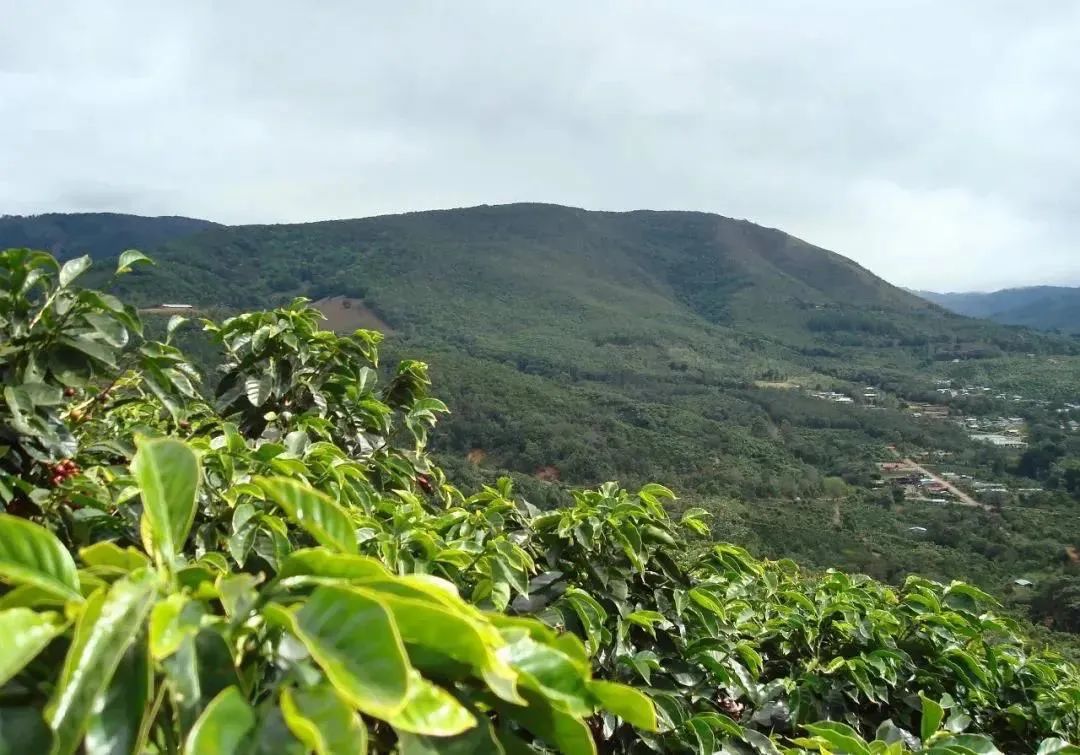
In coffee grading systems, Costa Rica, like most Central American coffee origins, uses altitude as its main standard, because it is believed that the higher the altitude, the greater the temperature difference between day and night; during the cooler periods, the ripening time of the coffee cherries is extended, and during this period more sugary substances can accumulate, the flavor develops more richly, and the density and hardness are also better. At present, most Costa Rican coffee beans in China are SHB grade (above 1200 m altitude) strictly hard beans, and the most common Tarrazu region has an altitude of 1500-2100 m.
In addition, the Costa Rican government attaches great importance to the coffee industry and believes that only by producing high-quality Arabica coffee beans can it gain a firm foothold in the international market. Therefore, in the early 20th century it enacted a law prohibiting the production of coffee beans other than the Arabica variety, which shows its determination to maintain high-quality coffee.
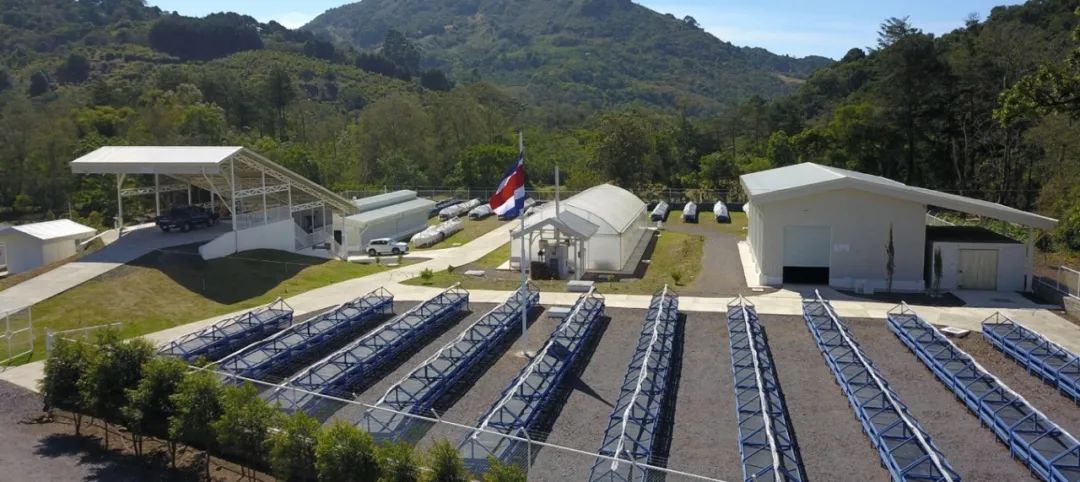
According to Qianjie, Costa Rica was also the first country in Central America to grow coffee for commercial purposes, and it has a growing history of nearly 300 years. Today, the country has long formed a complete coffee ecosystem and industry chain. As a result, it has the funds to research and innovate new coffee varieties and processing methods, and established the Costa Rican Coffee Institute ICAFE to improve management and ensure the stable production of high-quality coffee beans.
At present, Costa Rican coffee mainly uses washed processing and honey processing. In particular, the honey processing method, which already sounds sweet from its name, is a major feature of this country. Simply put, honey processing is a processing method between natural processing and washed processing. In the early days, it was introduced from Brazil's semi-washed processing method and then improved. Compared with washed processing, coffee beans processed by honey processing have higher sweetness, medium acidity, and a rich mouthfeel.
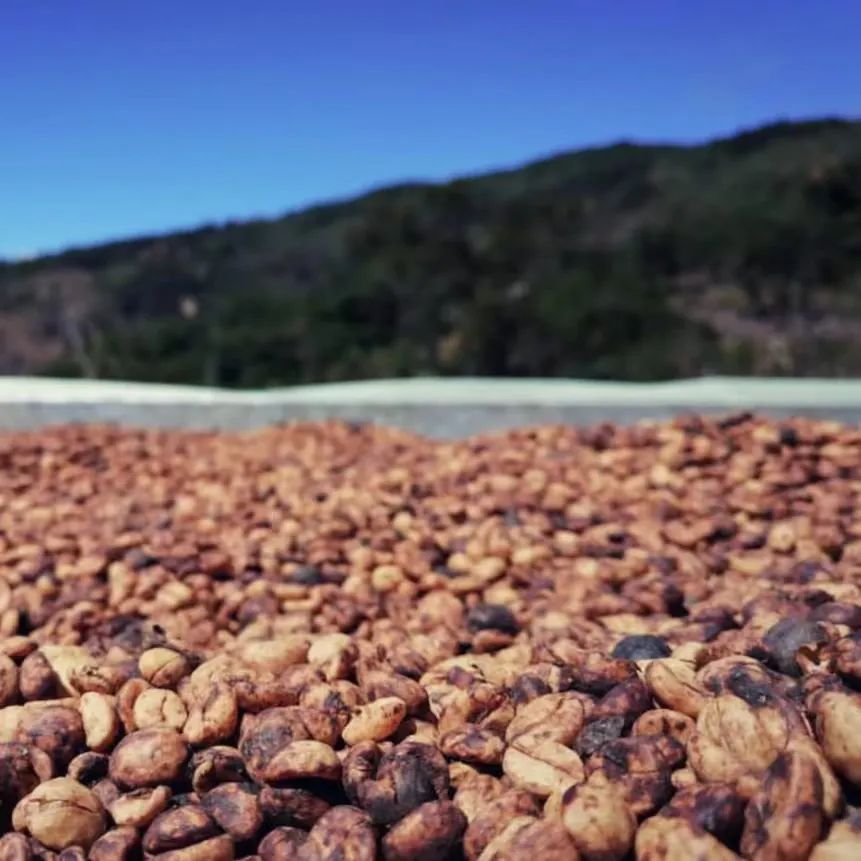
Honey processing, translated from the English Honey Process, also called Miel Process; the "honey" in honey processing comes precisely from this Miel, which in Spanish means honey. The name honey processing first came out of Costa Rica, where locals liked to call the sticky, gluey substance inside the fruit "Miel." Honey processing first appeared in the public eye in 2006, when a coffee farmer named Juan Ramon Alvarado, with two honey-processed coffees, won first and second place in the Costa Rica GOLDEN HARVEST green bean competition organized by the SCAA at the time. The following year, it correspondingly appeared in the first Costa Rica CoE, where 3 of the top five coffees were honey processed.
By 2008, Costa Rica experienced a major earthquake, causing severe power outages and water shortages in many places. So, to deal with these immediate problems, local coffee farmers began to adopt this "water-saving" process. Although at first many people were rather resistant, feeling that this processing method of drying with the pulp and mucilage still attached easily led to uncontrollable fermentation, quite a few farms not only got positive results after experimenting, but also greatly reduced water consumption, and later went on to develop various honey processing methods that extend into different flavor expressions by controlling the degree of mucilage fermentation.
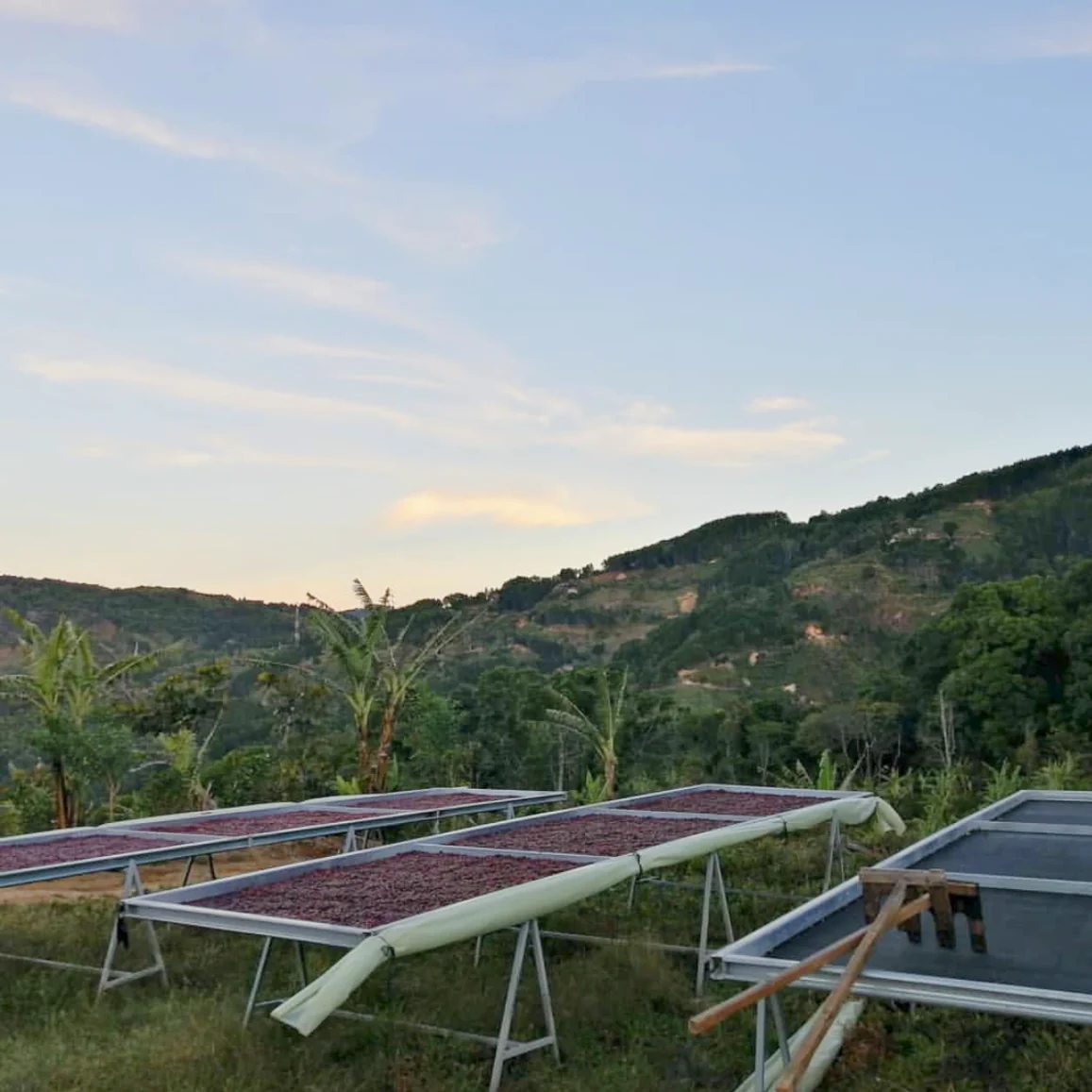
When it comes to names, we often hear of black honey, red honey, yellow honey, white honey and other coloured honey processes. This is because the mucilage contains a lot of sugar, so when green beans with only the mucilage retained are exposed to the air, oxidation occurs, and the surface of the beans slowly turns from its initial yellowish-white to golden yellow. As time goes on and fermentation continues, the beans may turn deep red, or even blackish-purple, until drying is complete.
In theory, black honey or red honey coffee is closer to natural process than yellow honey or white honey, and has a more pronounced fermented character. However, to this day there is still no precise standard in the industry to define honey processes of different colours; it mostly depends on the producer, which leads to confusion in naming. For example, what one producer calls "red honey" may be called "yellow honey" by another.
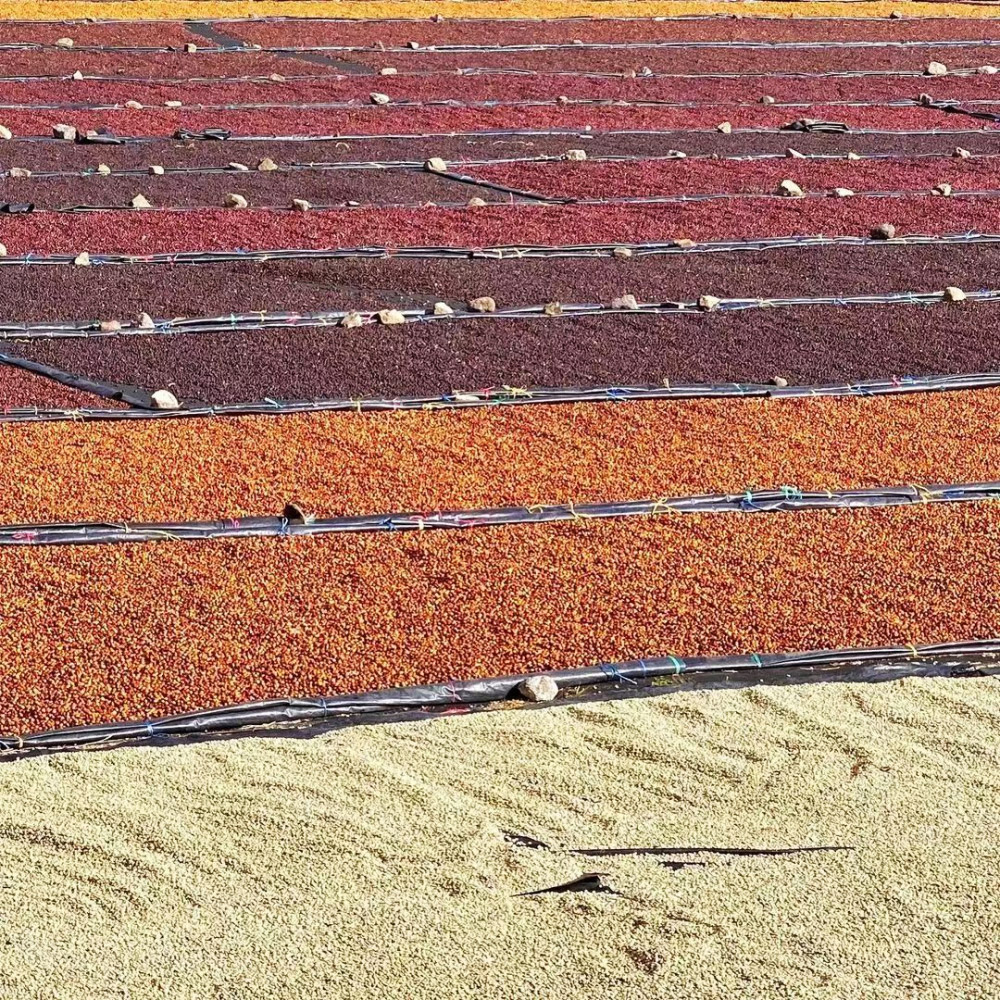
The drying time for honey processing falls between that of natural and washed, ranging from 2 weeks to 4 weeks. Similarly, the flavor also often tends to fall between natural and washed, mostly leaning toward the natural profile, with a candied-fruit-like sweetness while also often accompanied by a solid bright acidity.
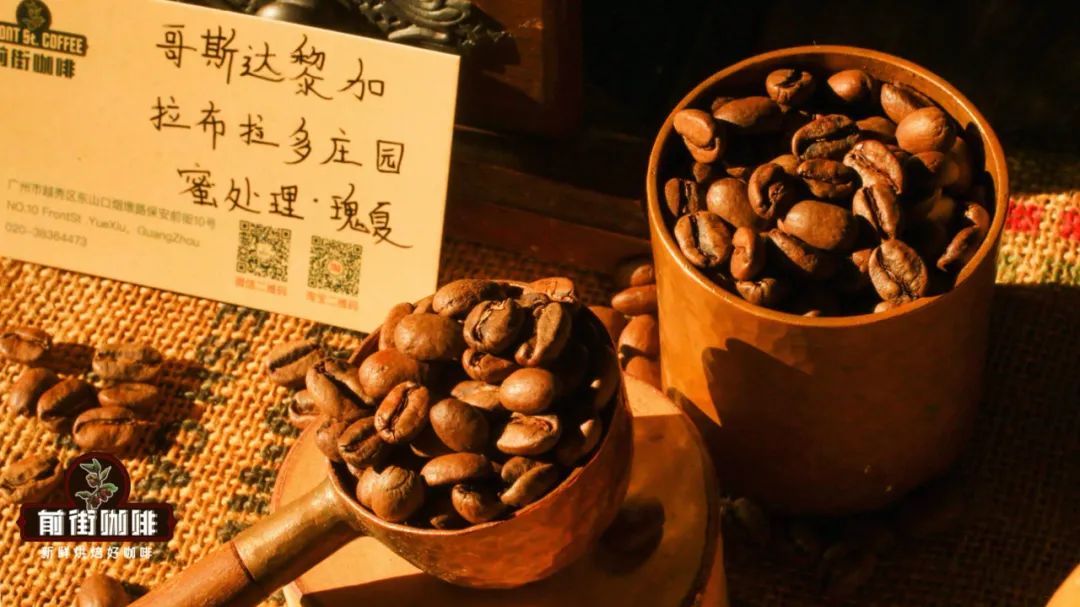
Recently, FrontStreet Coffee wanted to taste the legendary sweet flavor, so it acquired a honey-process Geisha coffee from the San Isidro Labrador estate in the Tarrazu region of Costa Rica, using a medium-light roast. After brewing, it had a faint floral aroma and tasted of cherries, oranges and yellow peaches, sweet like fruit juice, with a clean finish and a mouthfeel like oolong tea.
To learn more about coffee origins and news, please scan the QR code to follow: Kaping
Long-press the QR code to follow:

TRANSLATE with x
English
TRANSLATE with
COPY THE URL BELOW
EMBED THE SNIPPET BELOW IN YOUR SITE Bing Webmaster Portal
Related Reading




Comments (0)
Loading comments...
You May Be Interested



Trending Reviews
Popular Videos

With you, wherever you are! We provide useful features to help you find new things you'll love






