Source:Best Coffee > News Author:qjroot Published:2026-09-18 16:37:19
A cool, crystal-clear cold brew coffee: beyond the flavor compounds inherent in the coffee beans themselves, the quality of the water poured into the bottle directly determines how completely the aroma and sweetness are released. Since the vast majority of a coffee extraction is water, the level of dissolved minerals in the water, commonly known as the TDS value, as well as the ratio of calcium and magnesium ions, will govern the release rhythm of different flavor compounds over the long, low-temperature infusion process.
Soft water with very low TDS, such as distilled or purified water, has a strong dissolving tendency due to its low mineral content, and can quickly draw out the crisp floral notes and fruity acidity from light-roasted coffee beans. Cold brew made with purified water often tastes exceptionally transparent and light, but after a long low-temperature extraction, the mid-to-late sweetness and overall body can sometimes seem a bit thin, lacking a touch of rounded support.
By contrast, drinking water with moderate minerals is usually better suited for low-temperature cold brew. When the TDS in the water is at a medium level, the appropriate amount of calcium and magnesium ions act like flavor porters, helping aromatic acids and sugars release together, allowing the coffee liquid to retain its fruity vibrancy while settling into a more viscous, gentle texture, with a full, rounded mouthfeel like fruit juice.
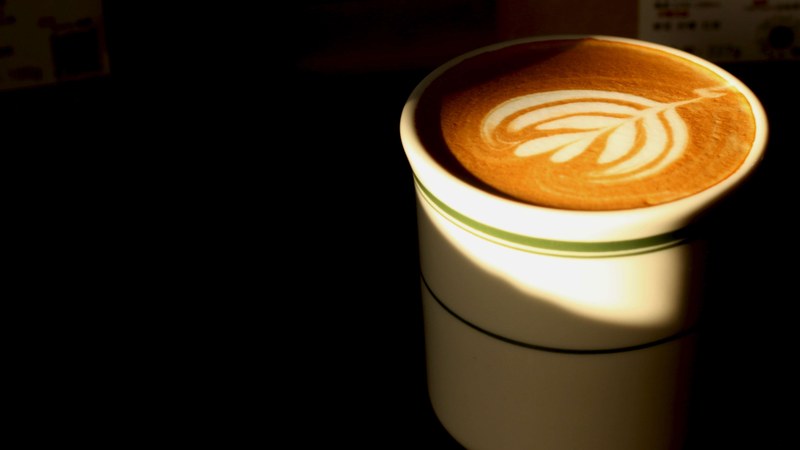
Once you understand the temperament of water, you will have more direction when choosing coffee beans. If you usually prefer to make cold brew with purified or low-mineral soft water, then light-roasted beans with delicate fruit notes and airy florals are an excellent match. For example, Qianjie Yirgacheffe Gudingding has a subtle white floral aroma, mingled with the slight acidity of fresh citrus and berries, finishing with a quiet, green-tea-like sweet aftertaste.
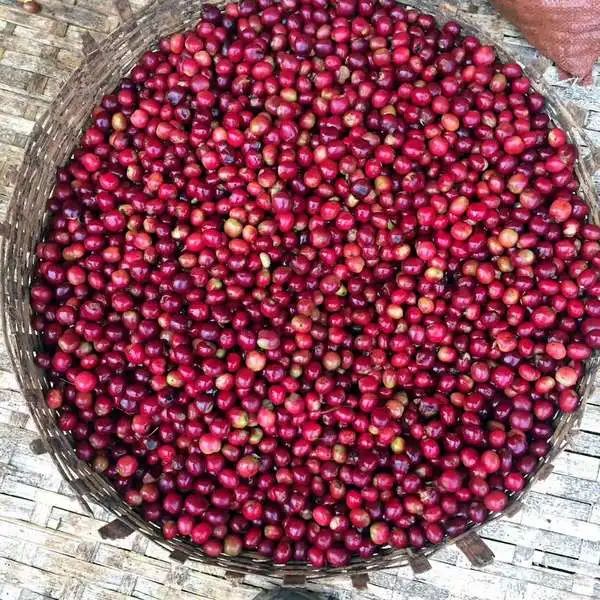
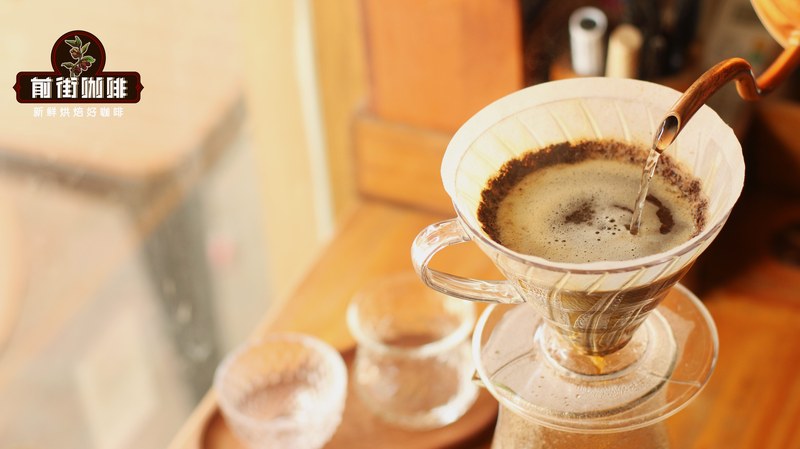
To first experience this bean's original aroma, you can calibrate a baseline with a hot pour-over. Take 15g of coffee grounds, pour in 89°C hot water, set the coffee-to-water ratio at 1:15, for a total water volume of 225ml. Use a three-stage pour: first pour 30ml of hot water and let it bloom for 30 seconds, then steadily pour in circles from the inside out to 130ml and pause, and once the liquid level drops slightly, pour the remaining water to 225ml, keeping the total time at 2 minutes 05 seconds, for a clear and distinct floral and fruity aroma.
If you are used to making cold brew with natural mineral water of medium TDS, the minerals in the water will soften the sharp acidity, and choosing beans with rich layers of fruity acidity and intense flavor can bring a surprise. For example, Qianjie Kenya Little Tomato has a flavor base with a plump, juicy quality like cherry tomatoes, accompanied by the aroma of smoked plums and the warm sweetness of yellow sugar, with a very deep interweaving of acidity and sweetness.
Presenting this bean's full juice-like quality with a pour-over is equally satisfying. Prepare 15g of coffee grounds, match with 90°C hot water, and likewise pour 225ml of water at a 1:15 coffee-to-water ratio. Use a three-stage pouring technique: pour 35ml of water to complete a 30-second bloom, then evenly pour in circles to 140ml for the second stage, wait briefly, then continue pouring to 225ml and stop, keeping the total time at 2 minutes 10 seconds, for an entry that is sweet and tart and mouth-watering, with a solid structure.
For those who pursue rich, fragrant sweetness and a gummy-candy-like mouthfeel, beans with a distinct sweet profile extracted in moderately mineralized water will show a surprisingly sweet, mellow texture. For example, Qianjie Strawberry Candy coffee beans, after roasting, give off a lively, bright strawberry gummy sweetness, and a slow low-temperature extraction allows its berry sweetness and smooth texture to fully merge, drinking like a cool fruit specialty drink.
Tasting this Strawberry Candy's sweetness via pour-over lets you more directly perceive its sweet thickness. Weigh 15g of grounds, pair with 91°C water temperature, and at a 1:15 coffee-to-water ratio pour in 225ml of hot water. Here, use a two-stage pour: first bloom with 30ml of water for 30 seconds, then with a steady stream continuously pour in circles to 225ml, keeping the total time at 1 minute 55 seconds, for an entry full of brisk fruity aroma and candy-like sweetness.
Making cold brew coffee at home is not complicated; the key is understanding the tacit interaction between the water on hand and the coffee beans' flavor. By adjusting the mineral base of the water, and pairing it with single-origin beans of moderate roast and clear character, what infuses quietly over time at low temperature is not just a refreshing summer drink, but a pure coffee flavor with distinct layers and full sweetness.
Related Reading
Comments (0)
Loading comments...
You May Be Interested


Trending Reviews
Popular Videos

With you, wherever you are! We provide useful features to help you find new things you'll love






