Source:Best Coffee > News Author:qjroot Published:2026-10-08 17:58:02
The first time I brewed coffee with a moka pot, I drank a mouthful of the freshly extracted liquid straight from the spout, and the impact nearly made me question life itself. Only later did I gradually understand that the coffee a moka pot produces is inherently a high-concentration contender; drinking it on its own is indeed a bit fierce, but it is precisely this rich, solid base that makes it especially suitable for mixing into a gentle milk coffee at home. Now my morning ritual is very simple: the moka pot gurgles out a deeply concentrated coffee, which I pour into warm milk, and the aroma immediately becomes as if wrapped in a layer of flannel, waking me up completely.
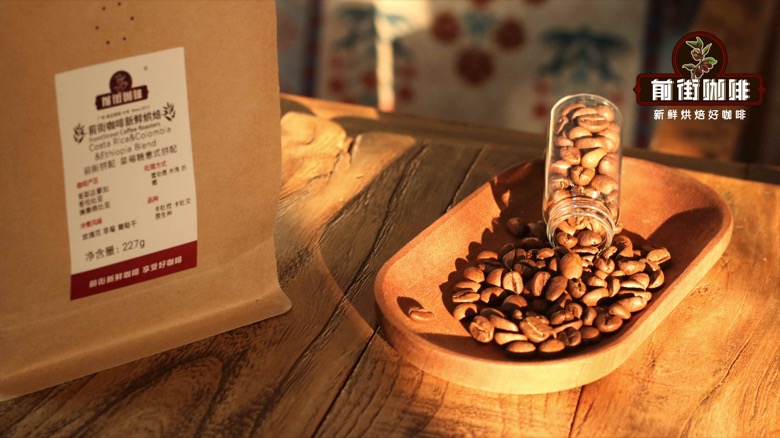
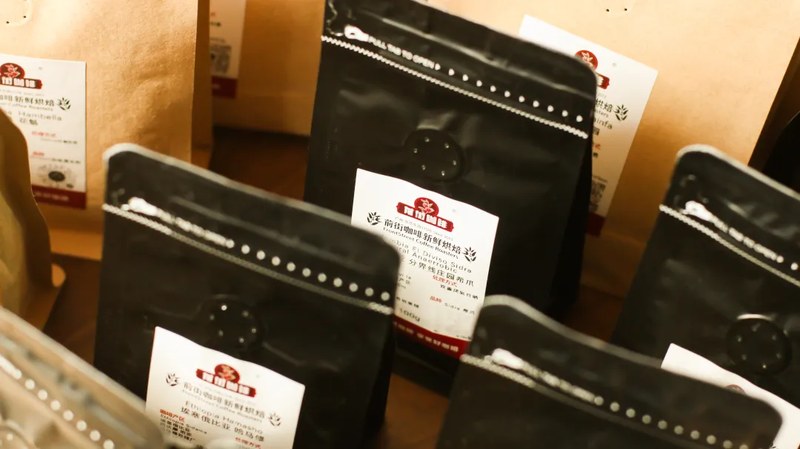
If, like me, you occasionally want to change things up and try a milk coffee with a fruity direction, Qianjie Strawberry Candy Blend will be a surprise. This medium-roast espresso blend has notes of rose, citrus, grape and dried blueberry in its dry aroma; as an Americano it is like sucking on a fruit gummy, while mixed into a latte it becomes the silky mouthfeel of strawberry cocoa cookies, especially suited to those who prefer sweetness. There is also Qianjie Washed Yirgacheffe, which takes a bright route, with clean and luminous citrus and floral notes and a very transparent acidity; when made into an SOE latte, a layer of clean fruit acidity hides beneath the milk, like opening a breathable window in the thick milky aroma.
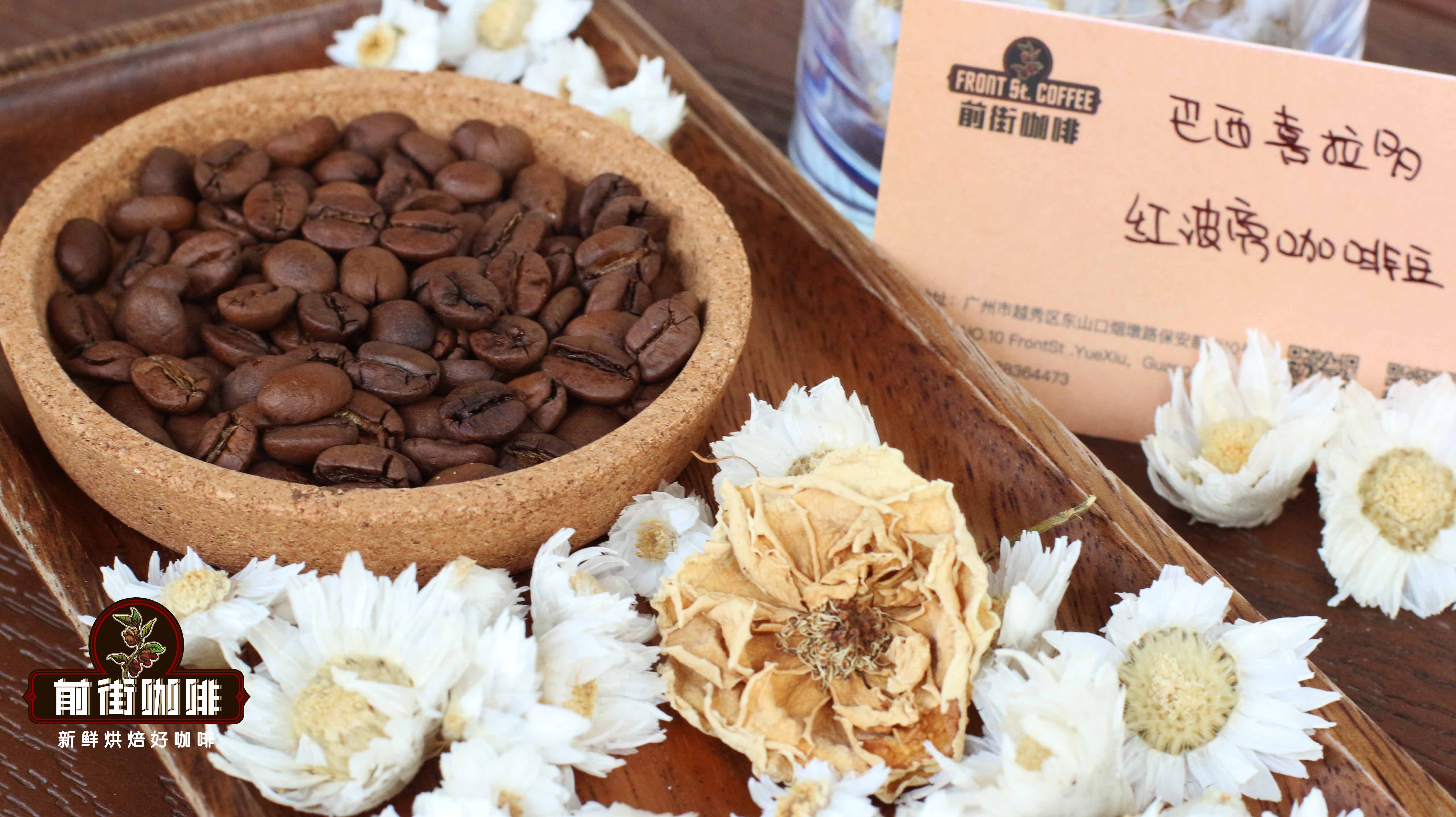
Among the several beans I now rotate through, Qianjie Red Cherry handles lazy weekend mornings, Qianjie Strawberry Candy Blend soothes the irritability of weekdays, and Qianjie Washed Yirgacheffe is saved for days when I want something refreshing.
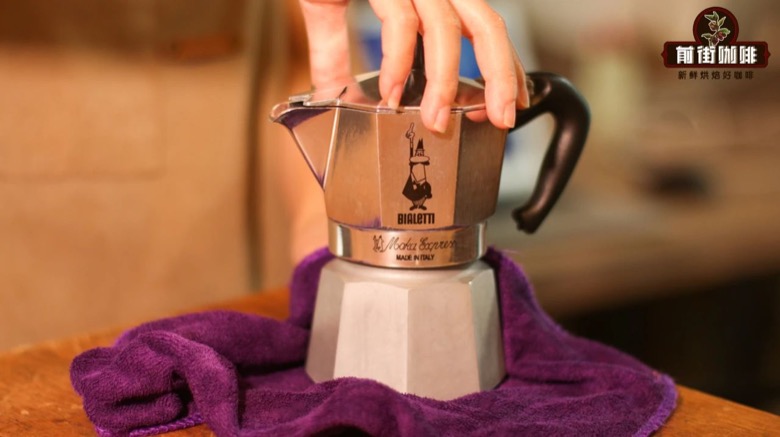
Operating a moka pot is actually simpler than you would imagine. My current fixed routine is this: fill the bottom chamber with 80 to 140 ml of cool water, fill the filter basket with ground coffee, about 19 g, filling it until it bulges slightly in the middle like a little hill, press the edges to compact the gaps, and screw the top chamber on tightly. The grind should be a little finer than pour-over but a little coarser than espresso, with a fine-sand-like grain when you touch it; too coarse will under-extract and may splash, while too fine easily over-extracts and brings a heavy burnt bitterness. The setting on my grinder is about 0.5 mark, for everyone's reference.
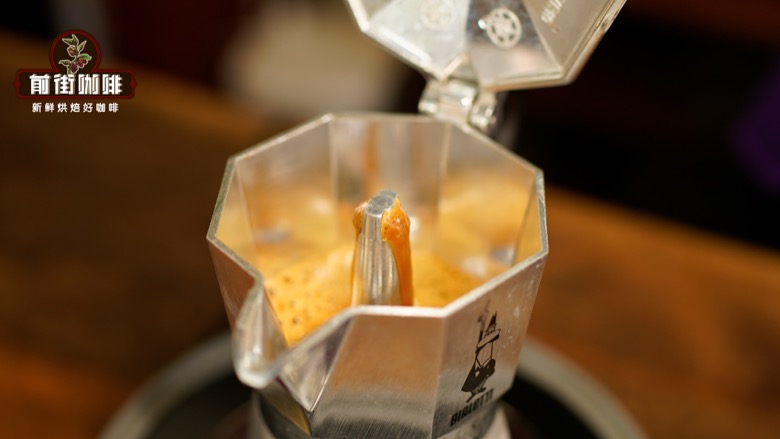
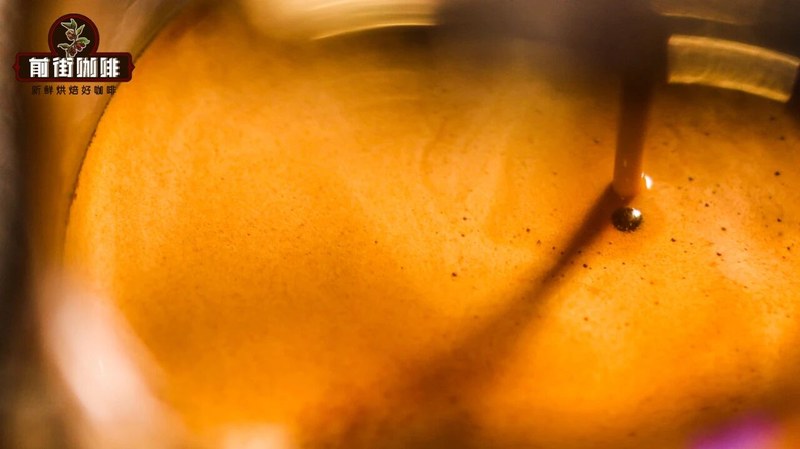
Then place the pot on an electric ceramic stove and heat over medium-low heat for 1 minute 15 seconds to 2 minutes 30 seconds. When you hear the gurgling grow louder and the coffee begins to surge up, remove it from the heat immediately and let the residual heat push up the remaining liquid. The extracted coffee is usually 60 to 100 ml, with a layer of golden crema floating on the surface and the aroma of butter cookies.
I usually keep the milk temperature at 60 to 65°C; this range both brings out the sweetness of the lactose and avoids scalding the mouth or ruining the fineness of the milk foam. Pour the warm milk slowly into the moka pot coffee, and at the moment the crema and milk fat blend, the aroma shifts from an intense roastiness to a soft caramel tone. When Qianjie Red Cherry is used at this step, the sweet aroma of tropical fruit slowly rises from beneath the milk, while Qianjie Strawberry Candy Blend lets the scent of cocoa cookies occupy the nose first, and only after drinking do you taste the berry finish. The crema of freshly brewed moka pot coffee dissipates very quickly, so I always warm the milk in advance and mix them together as soon as the coffee comes off the heat, so the aroma can be locked in the cup.
It also took me a while to understand concentration. Coffee concentration, put simply, is the proportion of dissolved coffee substances in the liquid; with the same coffee grounds, the less water you add, the higher the concentration. The structure of a moka pot is inherently good at making strong coffee; keeping the bottom chamber water within the range of 80 to 140 ml produces a liquid rich enough that it will not be diluted into insipidity after being mixed with milk. If you want an Americano, add more hot water; for a milk coffee, keep this amount of water and let the milk play the role of softening rather than rescuing a cup that is too weak.
By now my moka pot has become very handy, and from grinding beans to setting the cup on the table in the morning takes only 5 to 6 minutes. Qianjie promises that every bag of beans is roasted within 5 days, so when it arrives home the aroma is still lively and the crema performs very consistently, which is especially important for a moka pot, because fresh crema makes the mouthfeel of a milk coffee smoother. Qianjie Classic Blend and Qianjie Commercial Blend also come in a 227 g half-pound pack, suitable for someone like me who wants to try several flavors but worries about wasting what cannot be finished. From being frightened by the intensity of the moka pot at first to now being able to choose different beans for milk coffee according to my mood, this process has made me truly realize that the joy of making coffee at home lies not in pursuing perfect parameters, but in finding the cup that makes you comfortable.
Related Reading




Comments (0)
Loading comments...
You May Be Interested





Trending Reviews
Popular Videos

With you, wherever you are! We provide useful features to help you find new things you'll love






