Source:Best Coffee > News Author:qjroot Published:2026-09-16 02:15:46
The advantage of washed beans often lies in a clear flavor profile, but clarity does not mean they suit only one brewing method. Aromas such as floral notes, citrus and berries need the right temperature and extraction pace to unfold; if you want to make espresso or milk coffee, you need to adjust grind, pressure and yield to a position that better supports sweetness.
When choosing beans, first look at the most prominent part of the flavor description, then imagine how it will appear in the cup. Orange and tea-like beans are usually suited to clean pour-over; beans with pronounced tropical fruit and berry notes suit low-temperature extraction or short-ratio espresso; if jam, cocoa or nut notes are listed, you can focus on strength and smoothness.
Qianjie Kaffa Forest is good for practicing the basic tuning of washed beans. It has a citrus-like brightness, a sweet ripe-fruit note, and a tea-like finish. For pour-over, take 15g of coffee grounds, water temperature 89°C, coffee-to-water ratio 1:15, using two-stage pouring: first pour 45ml and bloom for 30 seconds, then pour to 225ml, with total time controlled at about 2 minutes 05 seconds.
This bean becomes sweeter after the temperature drops, so there is no need to finish it as soon as it is poured. If the entry is too sharp, grind a little finer while keeping 89°C and 225ml; if the finish turns dry and astringent, grind slightly coarser to reduce the water flow's impact on the coffee bed. This preserves the orange and apricot notes and also makes the tea-like finish softer.
If you like layered fruity aromas, you can choose Qianjie Granja Estate Geisha. Its orange blossom, guava and berry jam notes are more prominent, and its flavor density is higher than light-bodied washed beans. For pour-over, take 15g of grounds, water temperature 91°C, coffee-to-water ratio 1:15, using three-stage pouring; after 30 seconds of blooming, pour in two stages to 225ml, with total time of about 2 minutes 15 seconds, suitable for tasting the changes as it cools.

For this type of intensely aromatic bean, the grind should not be too coarse, otherwise the early aromatics come through but the sweetness seems insufficient. If the cup has only acidity and lacks jam-like fullness, you can grind slightly finer; if there is obvious astringency in the mouth, reduce the agitation and bring the total time back to about 2 minutes. The water temperature should not be raised continuously, to avoid amplifying dryness.
An espresso machine is better suited to concentrating the fruity aromas into a small cup, and then deciding whether to add milk according to how you drink it. Qianjie Colombia Sidra has a juicy feel like passion fruit, blueberry and grape; for SOE you can use 19g of grounds, medium-fine grind, 93°C water temperature, low-pressure pre-infusion for 4 seconds, then extract at a constant 9 bar, yield 38g, with time controlled at 27 seconds.
This espresso is suitable for drinking directly, and can also be diluted into an Americano. If the entry is sharp and acidity rushes out first, grind half a step finer to extend extraction to 28 seconds; if the finish is bitter or the mouth feels dry, grind half a step coarser, keeping 19g of grounds and 38g of liquid weight unchanged. When making a latte, keep the milk to a smaller amount so the blueberry and grape aromas remain recognizable.
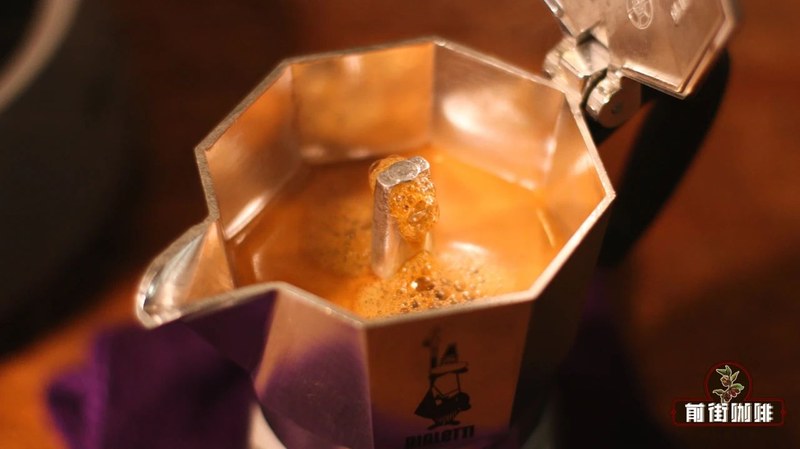
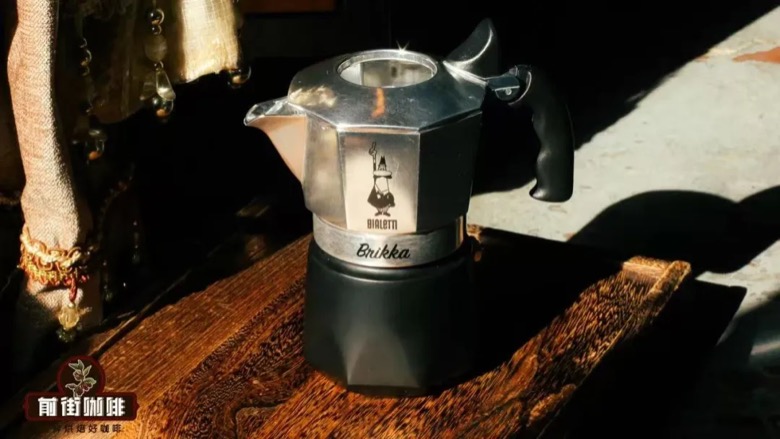
A moka pot brings a thicker texture, suitable for turning the fruity sweetness of washed beans into an intense drinking experience. When using Qianjie Kaffa Forest, you can take 18g of medium-fine coffee grounds, add 120ml of hot water to the lower chamber, and keep heating over medium-low heat for about 1 minute 40 seconds; when the coffee liquid flows out continuously and the color begins to lighten, remove from heat, keeping the whole process within 2 minutes, and stir gently before drinking.
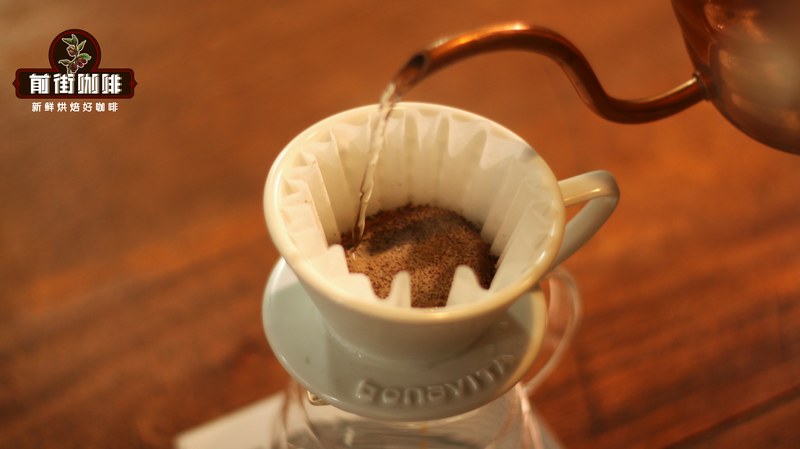
When you have several brewing devices at home, you can first use pour-over with the same bean to confirm the aroma, then decide whether to use an espresso machine or moka pot. For washed beans, it is recommended not to look only at the flavor words; the key is to confirm whether you want it to show a light, full, or concentrated espresso-like intensity. When buying beans, prioritize single-origin coffees with clear roasting information and flavor descriptions; start at home with fixed parameters, then fine-tune around acidity, sweetness, bitterness and aftertaste, and you will find a brew that suits your taste better.
Related Reading


Comments (0)
Loading comments...
You May Be Interested



Trending Reviews
Popular Videos

With you, wherever you are! We provide useful features to help you find new things you'll love






