Source:Best Coffee > News Author:qjroot Published:2025-03-29 15:59:35
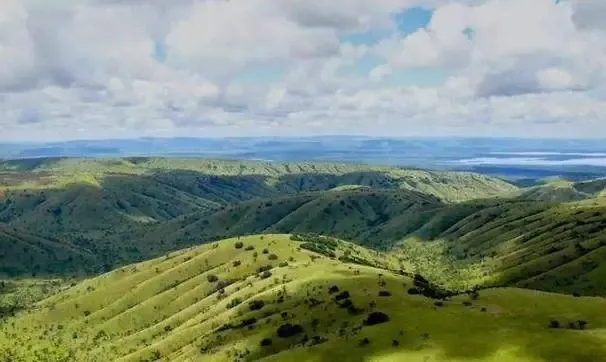
When it comes to African coffee, many people immediately think of Ethiopia, Kenya and other producing countries with the biggest names. In fact, there are still many outstanding coffee-producing countries on this continent, such as the niche coffee we are introducing today: Rwanda, known as the "Land of a Thousand Hills."
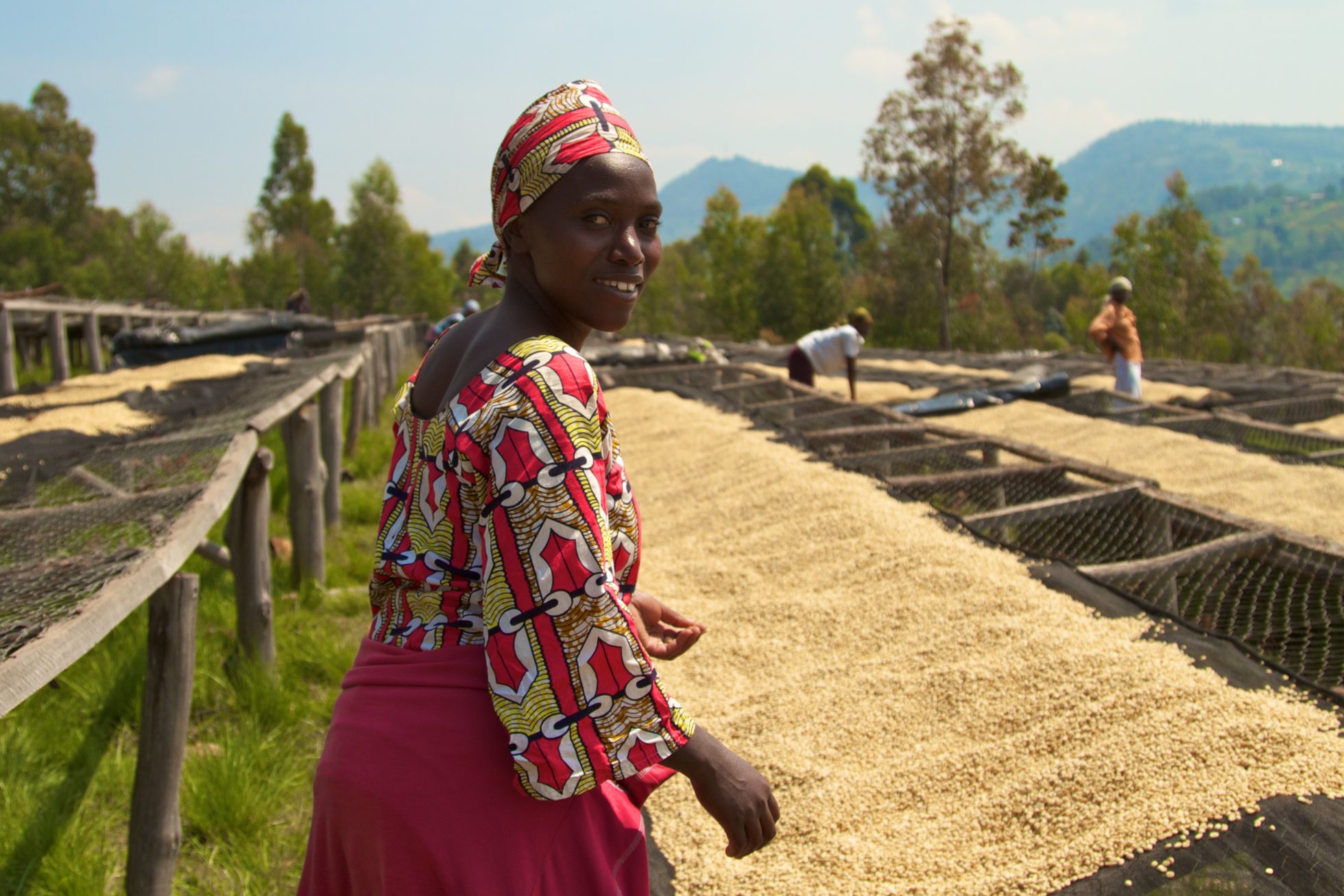
In 1904, German missionaries introduced coffee to Rwanda. From 1930 onward, coffee became the only crop through which smallholder farmers at the time could earn income, so coffee cultivation began to flourish. From the 1960s to the 1980s, it continued to grow and reached an unprecedented peak in 1986.
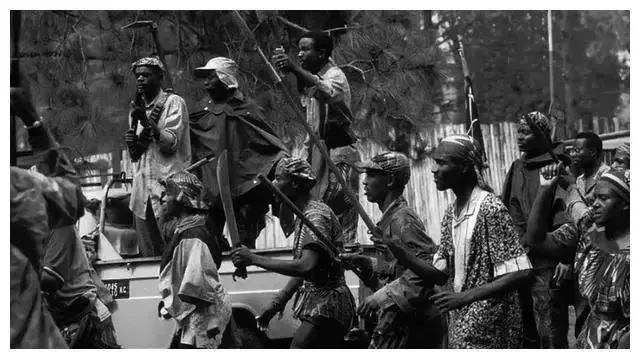
However, in 1994 a genocide took place in Rwanda. That event claimed nearly 800,000 to 1 million lives, brought enormous changes to the country's population structure, and left the economy on the verge of collapse. It became one of the poorest countries in the world at the time and one of those most in need of help. Afterwards, Western countries raised large sums of money to help Rwanda rebuild.
President Paul Kagame at the time believed that the country's economic lifeline lay in agriculture, and he also understood the potential of coffee. With international aid and his strong support, coffee became a key industry for Rwanda's economic revival. Through the introduction of the "PEARL Project" proposed by the United States, the plan aimed to promote agricultural improvement in Rwanda, raise farmers' incomes and achieve sustainable development. It also participated in major global coffee exhibitions to promote the national brand, and used the Cup of Excellence to enter the specialty coffee market, becoming the third African producing country after Ethiopia and Kenya to take pride in producing specialty coffee.
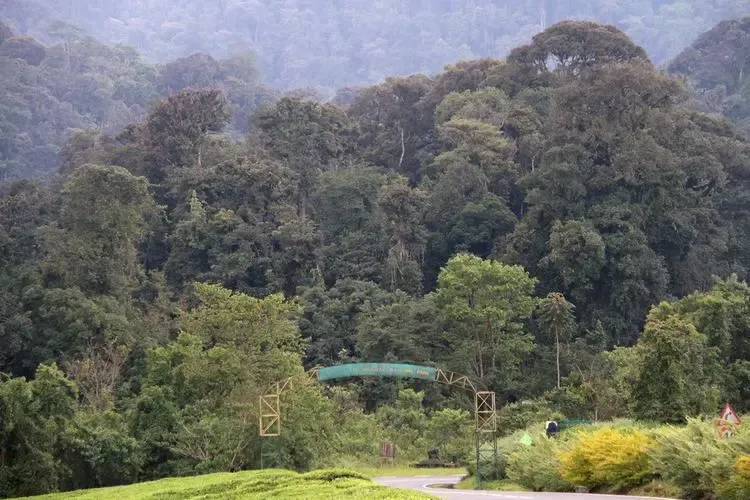
In addition, the ability to produce high-quality coffee is inseparable from the country's terrain and climate. Rwanda is located on the East African Plateau in east-central Africa and has a very rich and diverse ecosystem, with many wild animals spread across Rwanda's volcanoes, montane rainforests and vast plains.
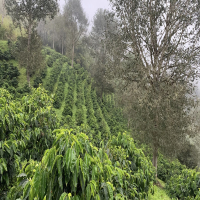
Rwanda has an average altitude of 1,600 m. It is mountainous and is known as the "Land of a Thousand Hills." It has 5 volcanoes, many lakes and numerous rivers, forming the source of the Nile. The country is close to the equator and has a tropical highland climate, but temperatures are lower than in typical equatorial countries, with an average temperature of 25-28°C. Rwanda has rainy seasons from February to June and from September to October each year, with the rest of the year being the dry season. The average annual rainfall is 1,200-1,600 mm. These natural conditions are very suitable for coffee cultivation.
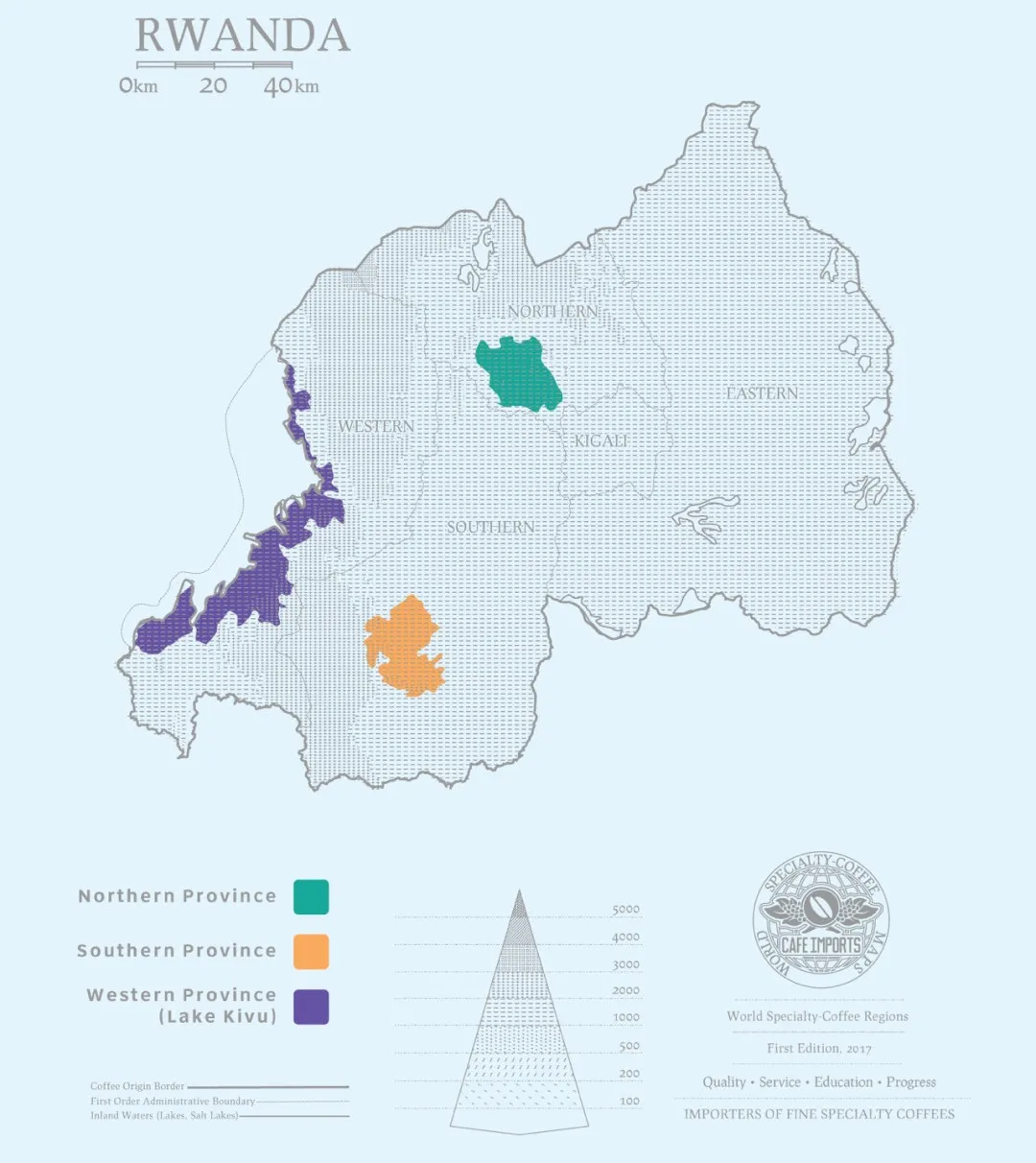
Coffee producing regions are divided by province, mainly into the Muhazi, Kivu Lake and Virunga areas, with the harvest period generally from March to August.
Among them, Kivu Lake is relatively well known. Lake Kivu here is the highest lake in Central Africa and one of the great lakes of Africa, located on the border between Rwanda and the Democratic Republic of the Congo, in the middle of the East African Rift. The lake is surrounded by mountains, and on its northern shore is Mount Nyiragongo, which rises to 3470 m. The volcano and the lake can create some unique microclimates for the region.
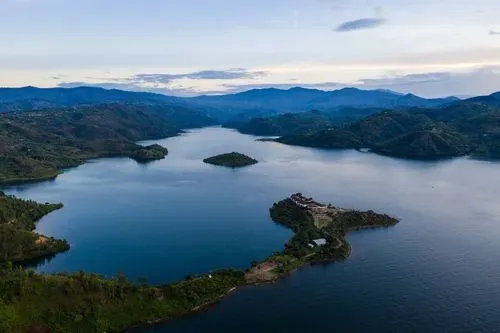
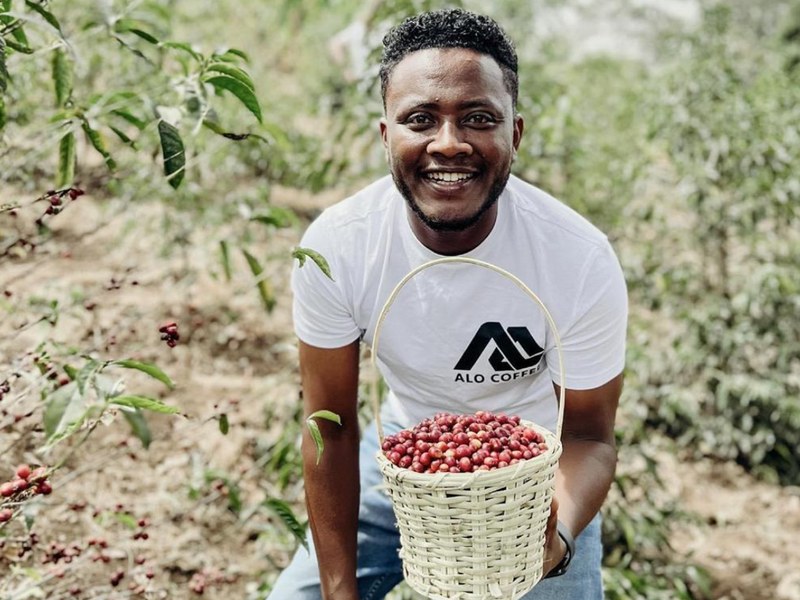
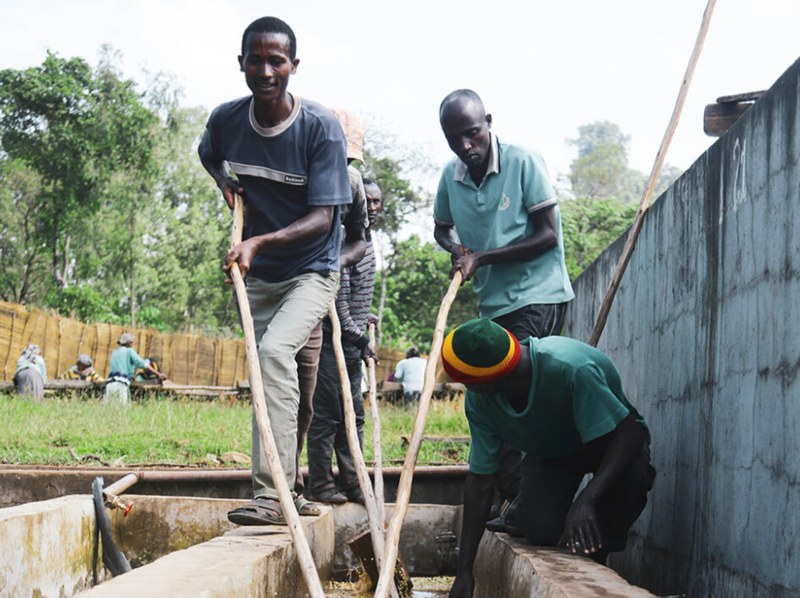
The country is dominated by smallholder production. Each year during the harvest period, farmers gather the ripe coffee cherries and send them to processing stations for processing and drying, and in the Kivu Lake producing region there are quite a few well-known washing stations, such as the Twumba washing station, which occasionally appears in single-origin information listings.
The Twumba washing station is located in western Rwanda, near Nyungwe Forest National Park, with growing altitudes between 1800-2200 m, and an average annual temperature here of 18°C.
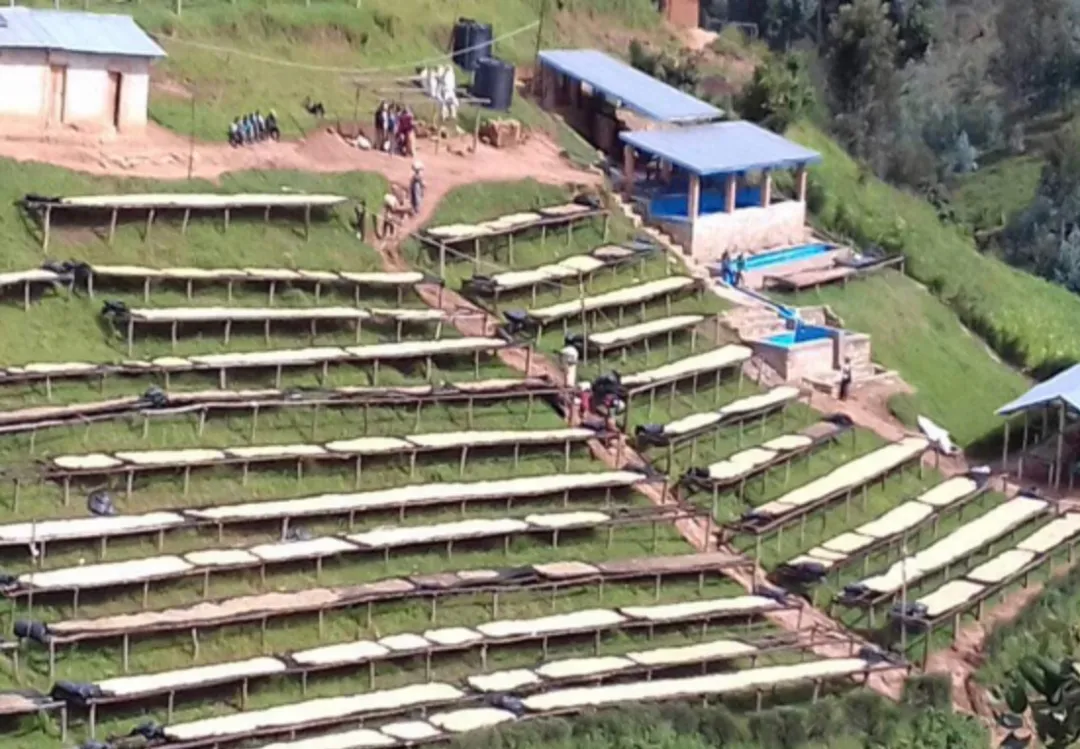
At the time, Yandagiye Marthe discovered locally that good coffee was grown here, but it was too far from the washing station, so she chose to build a washing station on site to support the development of coffee farmers, improve the local agricultural system, and provide job opportunities for local women. Currently, nearly 90% of the employees are women. Twumba washing station rose to fame in 2018COE with 90.53 points.
Related Reading

Comments (0)
Loading comments...
You May Be Interested




Trending Reviews
Popular Videos

With you, wherever you are! We provide useful features to help you find new things you'll love






