Source:Best Coffee > News Author:qjroot Published:2026-09-06 09:23:41
Coffee beans with prominent floral and fruity notes can have their aromatics drawn out through pour-over, and can also be placed in an espresso machine to make a light single-origin espresso. What truly determines the performance in the cup is not just the flavor description on the packaging, but also how water temperature, coffee-to-water ratio, grind, and flow rate work together. The three beans below each have different aromatic density, so you can start from a basic recipe and then fine-tune based on how it tastes on entry.
For pour-over, you can use 15 g of ground coffee with 225 to 240 g of water as a trial range, use a medium-fine grind, and set the water temperature at 90 to 93°C. After blooming for about 30 seconds, pour in two to three stages, keeping the total time between 2 minutes 10 seconds and 2 minutes 40 seconds. If you want the floral notes to open up more, increase the water amount and reduce agitation; if you want the fruit sweetness to be more concentrated, you can slightly tighten the coffee-to-water ratio.
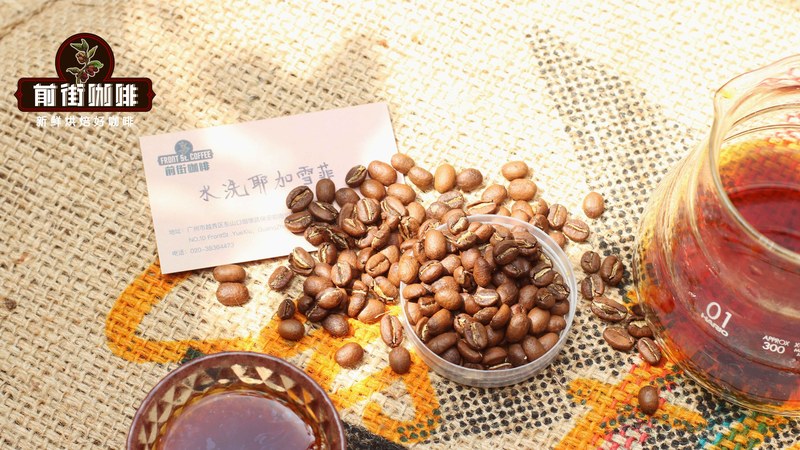
Best Coffee Yirgacheffe Gudingding suits those who like a bright mouthfeel and a light finish. When hot, you can sense the fresh aroma of citrus peel and the sweet-tartness of red berries, and as the temperature drops, it also brings out floral and faint tea-like aftertastes. It is recommended to use 15 g of coffee with 240 g of water, a water temperature of 91 to 92°C, a grind close to fine sand, and pour with a gentle small stream so the aroma is clear without feeling thin.
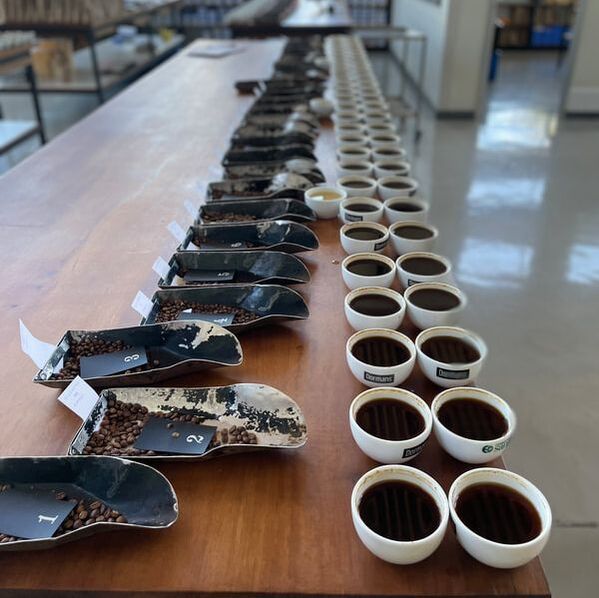
If Gudingding brews with a sharp, pointed acidity, you can raise the water temperature by 1°C, or make the grind slightly finer, so sweetness fills in the middle section; if the aftertaste feels tight, you can speed up the flow in the final stage and remove the dripper once the target water amount is reached. When making iced pour-over, you can use 15 g of coffee, 150 g of hot water, and 90 g of ice, with a slightly finer grind than for hot pour-over, which can make the citrus and berry notes more cohesive.
Best Coffee Panama Hacienda La Esmeralda Red Label Geisha is suited to slowing down and savoring carefully. Its aroma is like white flowers layered with bergamot, the entry has a citrus-like brightness, and the finish is close to clear black tea. When brewing, you can use 15 g of coffee with 240 to 250 g of water, a water temperature of about 92°C, a slightly coarser grind than Gudingding, and reduce large stirring motions to preserve a delicate, transparent mouthfeel.
This Geisha does not need the drip time deliberately extended; 2 minutes 15 seconds to 2 minutes 35 seconds can serve as a reference. If it smells fragrant but tastes empty on entry, you can tighten the coffee-to-water ratio from 1:16 to 1:15.5; if the aromas crowd together, slightly coarsen the grind so the water passes through more smoothly. When used in an espresso machine, you can pre-infuse at low pressure, then extract at 6 to 7 bar to reduce astringency interfering with the floral notes.
Best Coffee Ethiopia Huakui has fuller fruit aromas, and the notes of strawberry, passion fruit, and ripe tropical fruit easily create a sweet, rich impression. For hot pour-over, you can start with 15 g of coffee, 225 g of water, and 90 to 91°C, keep the grind medium-fine, and after blooming use two more concentrated pours to drive extraction. Compared with continuously raising the water temperature, moderately increasing the agitation brought by the water stream more easily expresses its lively, juicy side.
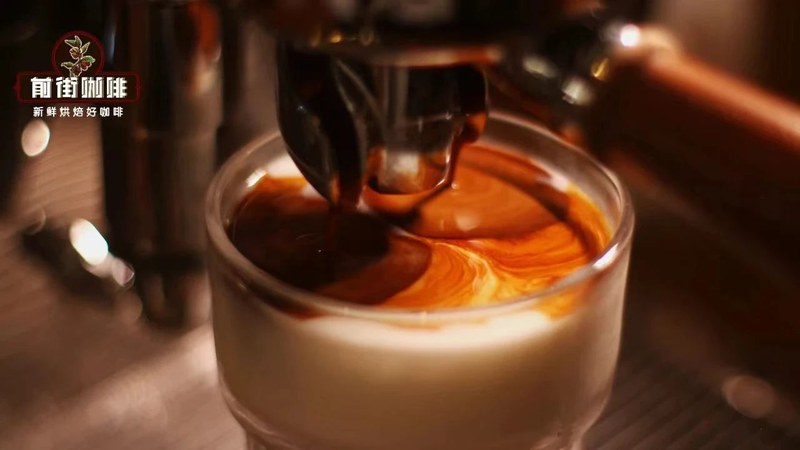
If you want a brisk, icy Huakui, you can pre-place 100 g of ice in the sharing pitcher, then finish the drip with 15 g of coffee and 150 g of 92°C hot water, for a total time of about 2 minutes. If making a single-origin espresso, you can try extracting 40 to 45 g of coffee liquid from 18 g of coffee, with a water temperature of 92 to 94°C, a pressure of about 7 bar, and a slightly finer grind than a dark-roast recipe, suitable for drinking directly over ice.
Espresso parameters cannot be judged only by extraction seconds. Light-roast floral and fruity beans have higher density, and the resistance of the coffee bed and the dissolution rate of substances may not be synchronized. When the early flow is too fast and the coffee liquid lightens very early, you can make the grind finer or increase pre-infusion; if the flow is sluggish and the tongue feels dry, you can slightly coarsen it and try a pressure of 6 to 8 bar. If a home machine cannot adjust pressure, you can also improve the mouthfeel through grind and yield weight.
When choosing these three beans, you can map your goal directly to the cup experience: Gudingding leans bright with a tea-like feel, Red Label Geisha emphasizes transparency and detail, while Huakui is suited to more concentrated fruit aromas. The parameters are not a fixed answer, but a modifiable flavor map. Record each cup's coffee dose, liquid weight, temperature, and time, and the next adjustment will have a clear direction, while the beans' characteristics will gradually emerge.
Related Reading
Comments (0)
Loading comments...
You May Be Interested


Trending Reviews
Popular Videos

With you, wherever you are! We provide useful features to help you find new things you'll love






