Source:Best Coffee > News Author:qjroot Published:2026-10-09 18:30:23
Light-roast coffee brews a clear tea-like body and sweet aftertaste: practical parameters for water temperature and pouring rhythm
In the morning or afternoon, I often see customers holding a cup of light-roast pour-over, leaning in to smell it, then looking up to ask me: where exactly does the tea-like quality in this cup come from. Actually, the tea-like quality is not the patent of any single bean, but a flavor direction that can be awakened. In medium-light roasted beans, the bean body still retains a large amount of organic acids and aromatic substances. If the water temperature is low and extraction is insufficient, it easily leaves only sharp acidity; but if you raise the water temperature above 90°C and combine it with a clear pouring rhythm, those tea-polyphenol-like compounds can be released in an orderly way, forming what we often call the tea-like quality and sweet aftertaste.
The parameters I use daily are very fixed: 15g grounds, 225g water, a 1:15 coffee-to-water ratio, V60 dripper. For light-roast beans, I take the water temperature at 92 to 93°C, two or three degrees higher than for dark-roast beans. High temperature can more quickly open the dense cell walls of light-roast beans, allowing flavor substances to fully dissolve out. In the blooming stage, use 30g water for 30 seconds, then pour in two to three stages, with the whole process controlled at about 2 minutes. When pouring, the stream should be thin and steady, leaving an obvious interval between each stage so the coffee bed has room to breathe. This clearly staged brewing method is like peeling open a fruit layer by layer. The first stage is floral fragrance and fruity acidity, the tea-like quality only begins to emerge in the middle and later stages, and the finish carries a sweet aftertaste similar to green tea or oolong tea.
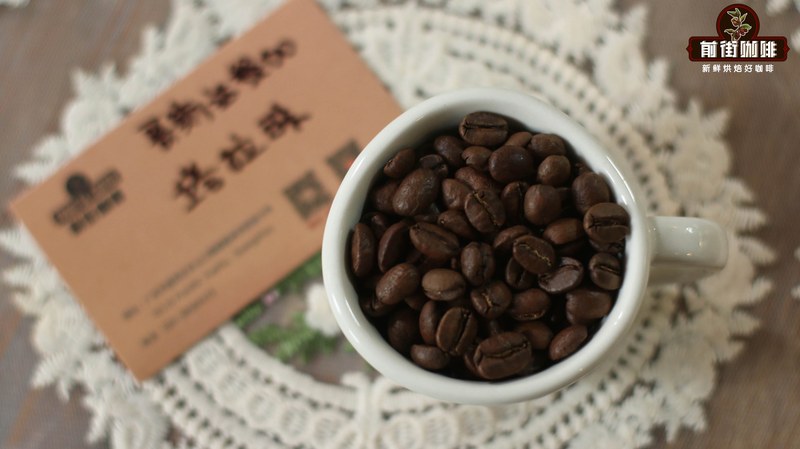
Drinking it after the temperature drops is a detail that is easily overlooked. When freshly brewed coffee is too hot, the taste buds are stimulated by the high temperature and instead cannot capture the delicate flavors. After pouring it out, I let it sit for one or two minutes, and when it drops to around 50°C, the tea-like quality becomes especially clear. Qianjie Yirgacheffe Gudingding is a typical example. This washed bean from the Qianjie Yirgacheffe Gudingding cooperative in Ethiopia has bright citrus and berry flavors, with a green-tea-like sweet aftertaste hidden in the finish. The mouthfeel is clean and light. Using a higher water temperature and stretching out the extraction time, that layer of tea-like quality will step out from the background and become the backbone of the whole cup of coffee.
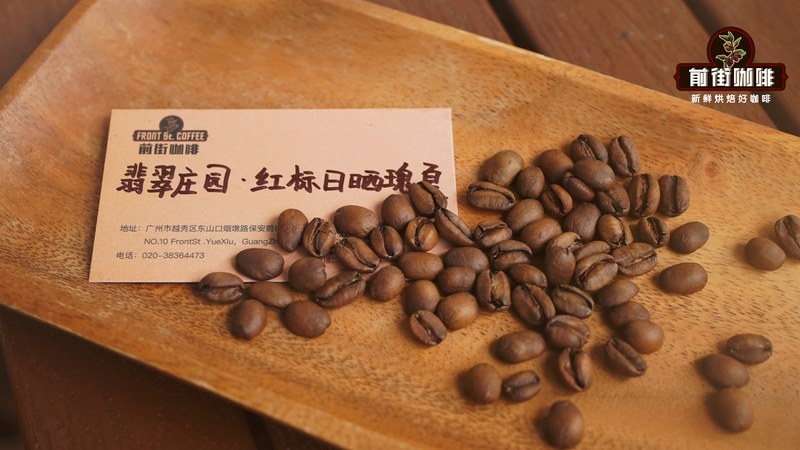
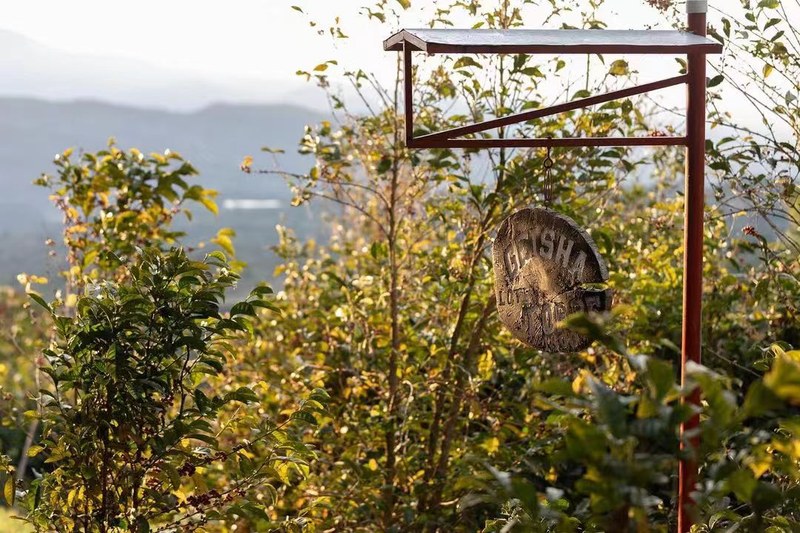
When it comes to the types of tea-like quality, different beans point to different teas. Qianjie Panama Boquete Geisha, a washed Geisha from the Panama Boquete region, has an intense white floral fragrance. After the sweetness of honeydew and citrus, the lingering finish is as sweet and clear as Tieguanyin. This oolong-tea-like finish requires finer pouring to control the later stage of extraction, avoiding over-extraction and bitterness. Qianjie Strawberry Candy espresso blend, although often used for espresso, is equally interesting as pour-over. This medium-roast bean, blended from Arabica from three places, Colombia, Costa Rica and Ethiopia, has prominent rose fragrance and the sweetness of grapes and dried blueberries, while the finish is like black tea. With a slightly lower water temperature and the same coffee-to-water ratio, the full-bodied black tea quality becomes more obvious.
Qianjie Huakui is also worth mentioning separately. A natural bean from the Hambela region of Sidamo, Ethiopia, medium roast, interweaving red berries and light floral fragrance, with the refreshing quality of orange carrying a slightly citrusy oily body. This bean is already refreshing in mouthfeel. If you use a finer stream and one more pouring stage, the tea-like quality will show through behind the sweet-and-sour berries, like a cup of cold-brewed tea with dried fruit added. However, note that if the fermented quality of natural beans is over-extracted, it easily overwhelms the tea-like quality, so I strictly keep the total time at just over 2 minutes, not letting astringency emerge in the later stage.
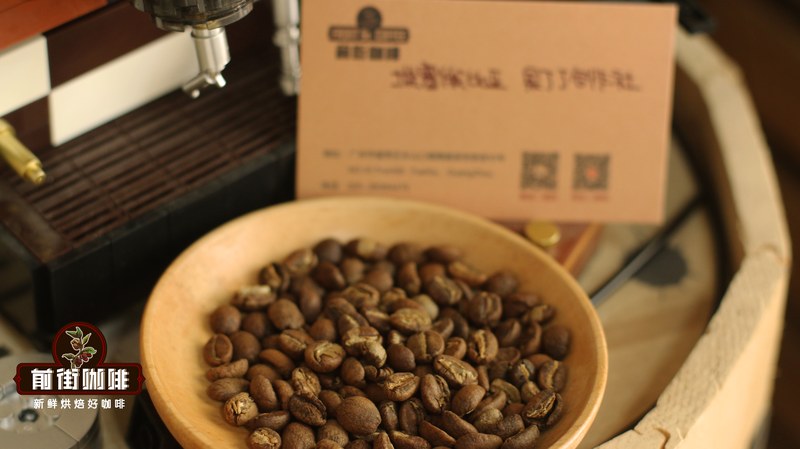
Freshness is the prerequisite for all flavors. Qianjie's own-roasted beans are all kept within 5 days of roasting, so you can arrange a cup immediately after receiving them, and the flavor is more complete if drunk within one month. With well-rested beans, the coffee bed rises evenly during blooming, which is an intuitive sign of freshness. If the beans are left too long, aromatic substances evaporate, and the tea-like quality becomes thin and dull, and no matter how good the parameters are, they cannot save it.
The tea-like quality is essentially a clean, astringent sweetness, and it makes the lingering finish of a cup of coffee long. You do not need expensive equipment. Just a gooseneck kettle and a thermometer, with your attention on the water temperature and pouring rhythm, can reproduce this flavor in your own kitchen. Next time you brew light-roast beans, try raising the water temperature by two degrees, imagine you are drawing concentric circles when pouring, slower and steadier, and drink it after the coffee cools to a palatable temperature. That mouthful of sweet aftertaste may be exactly the tea-like quality you have been looking for.
Related Reading
Comments (0)
Loading comments...
You May Be Interested


Trending Reviews
Popular Videos

With you, wherever you are! We provide useful features to help you find new things you'll love






