Source:Best Coffee > News Author:qjroot Published:2025-06-15 13:48:35

In recent years of specialty coffee, Colombian coffee beans have stood out remarkably against the backdrop of various novel processing methods. Among the Colombian coffee beans offered by FrontStreet Coffee, Huayueye coffee carries an intense fermented berry jam character, while Rose Valley coffee has a captivating rose aroma and the sweet fragrance of peach, making it deeply loved by many girls. Although the aromas of these novel-processing Colombian coffees are truly special, they mask the original flavors of Colombia's coffee-growing regions. Speaking of this, some friends asked FrontStreet: what should the regional flavor of Colombian coffee be? In this article, FrontStreet will talk about Colombian coffee beans.
Colombia is located in the northwest of the South American continent, bordering Panama in Central America, situated at 3 to 8 degrees north latitude, in the tropics. The climate varies with the terrain and is covered with rich volcanic soil, with annual rainfall of 2000 to 3000mm. The climate is mild and the air is humid, and this climatic diversity makes Colombia a harvest season all year round.
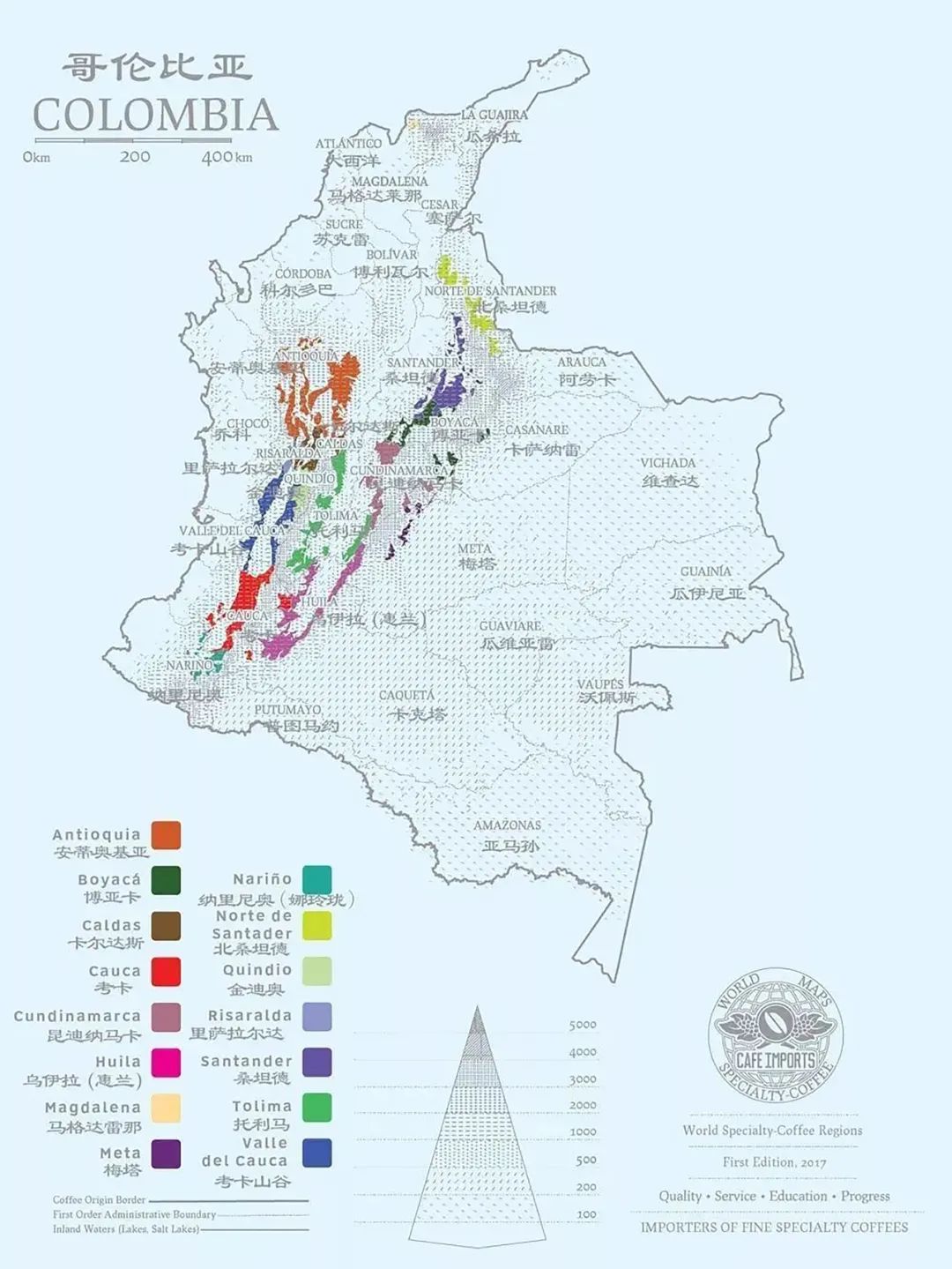
The eastern plains, the south and the Pacific coast have a tropical rainforest climate, the mountainous areas at 1000-2000 m have a subtropical climate, and the northwest has a tropical savanna climate. Average annual temperature: 15.8 - 20.5 degrees Celsius. The average temperature in the coffee regions varies between 18°C and 22.5°C. FrontStreet believes that low latitude, high altitude and volcanic soil give Colombian coffee beans a balanced flavor profile, intense acidity, distinctive flavor characteristics and a relatively full body, sometimes with a touch of red wine character and admirable fruit flavors.

Colombia's specialty coffee bean growing regions are mainly in the south, at altitudes above 1500m, mainly distributed across Huila, Cauca, Narino and Tolima. These regions all have refined acidity and berry sweetness, with plenty of sweetness.
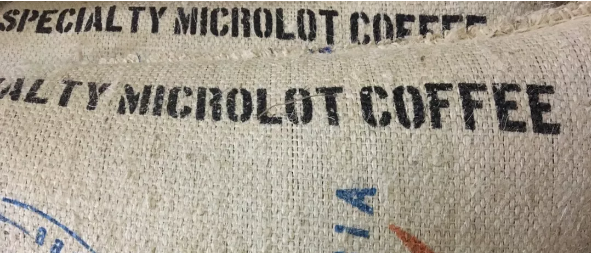
Huila is located in the southern part of the central mountain range in southern Colombia and is the country's most famous specialty coffee region. This area is mountainous land surrounded by mountains, with cultivation at altitudes above 1500 m. Colombia's most important rivers converge here, bringing abundant water resources and moisture. In contrast to the general impression of mass-market Colombian coffee as balanced and mellow, many smallholder micro-lot Colombian specialty coffees actually have strong regional flavor characteristics. In recent years, as the international market has placed greater importance on coffee quality and demanded specialty coffee, the previous system of grading by bean size has gradually been abandoned in favor of micro-regional selections organized by smallholder coffee producers. Micro-lots are formed by dozens of smallholders contributing their individual harvests, which are consolidated into a single micro-lot for sale. This also makes it possible, through lot-by-lot cupping, to directly select many specific smallholder coffees of outstanding quality.

Cauca is a region certified as a Colombian coffee place of origin, with an average altitude of 1758m and a maximum altitude rising to 2100m. The region's terrain, rainfall, temperature and volcanic soil provide suitable conditions for coffee growth. 80% is mountainous, with parallel mountain ranges in the east and center that are part of the Andes. The central range includes two major volcanoes, Sotara and Petacas. On its border, Cauca is similar to other southwestern growing regions, with rainfall showing a clear monomodal distribution. The dry season mainly occurs from August to September each year, after which the rainy season brings a concentrated coffee flowering season, followed by a concentrated coffee harvest season the following year.
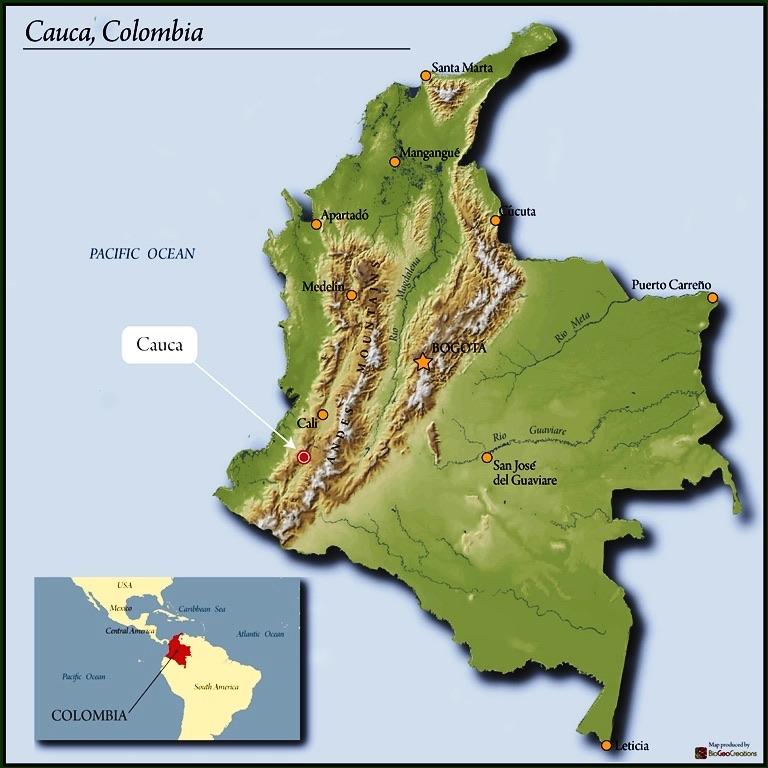
The biggest climatic difference from other regions is probably the relatively large temperature variation, with a daily average temperature of 11°C and a daytime average temperature of 18°C. The day-night temperature difference is an important factor in producing high-quality coffee. The low nighttime temperatures and relatively higher altitude slow the pace of coffee growth, allowing the coffee seeds and coffee beans to more fully absorb the nutrients of the coffee cherry, and also creating Cauca coffee's better acidity and its much-praised distinctive sweetness.
Narino is located in the southwest of the country, bordering the Pacific Ocean to the west and Ecuador to the south, with the Andes running through the entire province. Coffee is grown at 1600-2300 in the high-altitude cloud belt, where the soil is fertile volcanic geology. The beans are smaller in shape but plump, with a jade-green color. The vast majority of Narino's annual production is purchased by large American bean dealers. Narino is located in southwestern Colombia, bordering the Pacific Ocean to the west and adjacent to Ecuador to the south, with the Andes running through the province. Here there are magnificent mountain ranges and beautiful scenery, and many rivers flow through this area toward the south. It belongs to Colombia's high-mountain coffee growing areas and has nurtured many smallholder specialty coffee producers. Narino's total annual production is about 150,000 bags, of which the hand-selected bean portion is only about 6000 bags.

Tolima borders Huila and Cauca. Here the Andes (M. Andes) and the Cordillera (M. Cordillera) run north to south, and between these two famous mountain ranges flows the Magdalena River (R. Magdalena) from south to north. The name Tolima comes from the earliest people who lived here, the "Pijao people". In the language of this ancient people (Pijao word), tolima means "covered with snow", "snowed". Farms in Tolima are generally somewhat larger than farms in other southern Colombian regions, at about 10-15 hectares. The cooperative model is also common here, with farmers sending their small lots of coffee cherries to the cooperative's processing plant. Some farmers also choose to process their own coffee, using their own small-scale processing facilities that can handle the day's harvest.
Coffee Growing in Colombia
Coffee was first introduced to Colombia in 1808, brought by a priest from the French Antilles via Venezuela. Today the country is the second-largest producer after Brazil, with an annual output of 13 million bags of 60 kg each, while Brazil's output is 22 million bags. The status of the characteristics of Colombian coffee beans can be seen from the following example: all vehicles entering the country must be sprayed and disinfected to avoid inadvertently bringing in diseases that would harm the coffee trees.
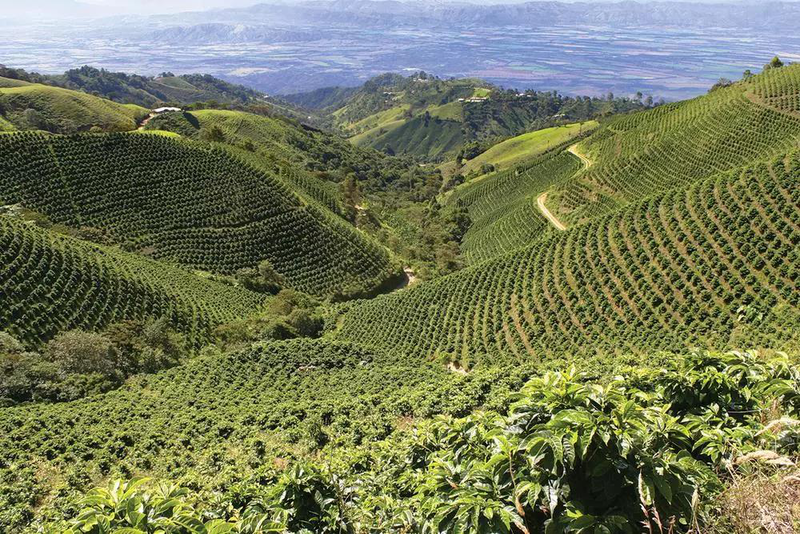
In the early 1960s, coffee yielded about 600 kg per hectare; now it has risen to about 900 kg, and individual farms can reach 2500 kg. However, guaranteeing quality is the foremost issue for the coffee industry. Colombia established the National Federation of Coffee Growers (Federacion Nacional de Cafeteros, FNC for short) in 1927, responsible for quality supervision. Although the federation is a private company, it acts on behalf of the government. In addition to organizing the industry, the federation is also responsible for raising and storing funds in bumper years. In the past few years, coffee prices have tended to fall, and the federation has nearly exhausted its financial reserves. The National Federation of Coffee Growers also shoulders responsibilities such as healthcare, education, road building, hiring cultivation technicians, conducting research, supervising product quality, directly handling 50% of total export business, and hiring marketing personnel. Like Kenya's National Coffee Federation, it is a model of coffee organization.
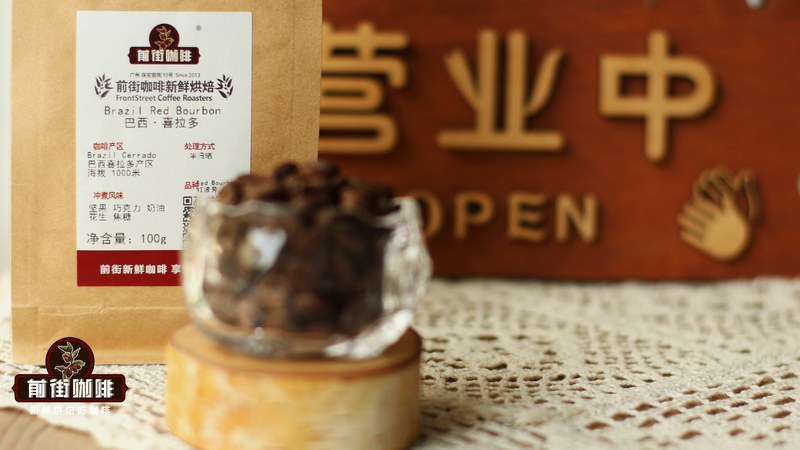
At FrontStreet Coffee, the one that best represents the flavor of the Colombian region is the Colombian daily drink coffee.When choosing a new daily drink coffee to put on the shelf, FrontStreet selects beans from major regions that best represent the original local flavor, then introduces them to everyone in 100g small packages. FrontStreet hopes that every coffee lover can drink the basic flavor of a coffee region at the most favorable and cost-effective price.
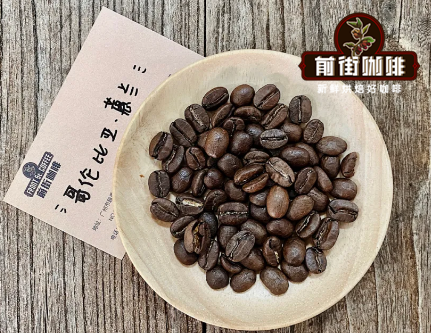
Country: Colombia
Region: Huila
Altitude: 1500-1800 m
Variety: Caturra
Processing method: Washed process
Flavor: Nuts, dark chocolate, caramel, mild fruit acidity
Coffee Varieties
Caturra is a natural mutation of the Arabica variety Bourbon, discovered in Brazil in 1937. Its tree is not as tall as Bourbon, being shorter. Because it inherits Bourbon's lineage, its disease resistance is relatively weak, but its yield is higher than Bourbon. Although it was discovered in Brazil, Caturra is not suited to growing in Brazil, so it is not planted on a large scale there; instead it is widely popular in Central and South America, for example Colombia, Costa Rica and Nicaragua all plant Caturra on a large scale.

Washed Processing Method
Coffee farmers first pour the picked coffee cherries into a large water tank. Underdeveloped, inferior beans will float to the surface, while ripe, plump fruits will sink to the bottom. At this point, the defective beans (fruits) floating on the surface are scooped out. Then the outer skin and pulp of the coffee fruit are removed with a pulper, and at this point the coffee beans still carry a slippery layer of mucilage. The coffee beans with mucilage are placed into a fermentation tank for 16-36 hours, during which microorganisms break down the mucilage. After fermentation is complete, a large amount of clean water is used to remove the mucilage residue from the coffee beans. Finally, the washed coffee beans are spread out to dry. The washed processing method has both soft and intense acidity, a moderate body, and a sweet, spicy aroma.

Front Street takes into account that washed processing better highlights the cleanliness of the coffee's mouthfeel and the purity of its flavor presentation, so when analyzing the specific flavor of a coffee-producing region, it uses that region's washed beans as a reference.
Front Street Roasting Suggestions
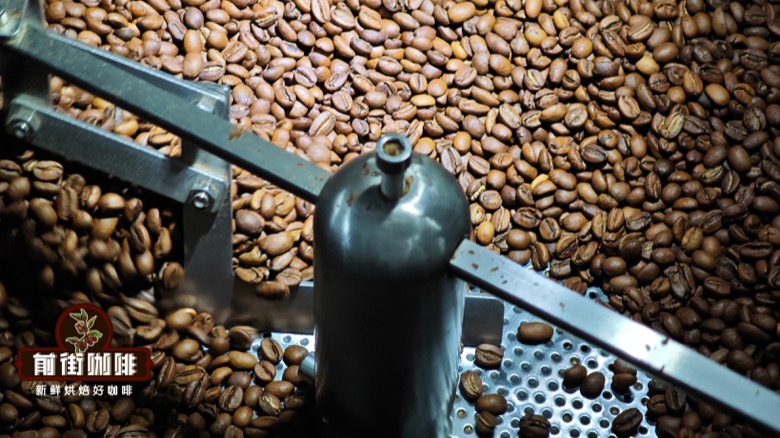
Because this Colombian Huila bean has higher density, uniform bean size and a relatively plump bean shape, the Front Street roaster wanted to bring out nutty, dark chocolate and caramel aromas in this bean, so after first crack the heat was adjusted, the roasting time was extended, and the beans were dropped at 3'00'' at 202°C.
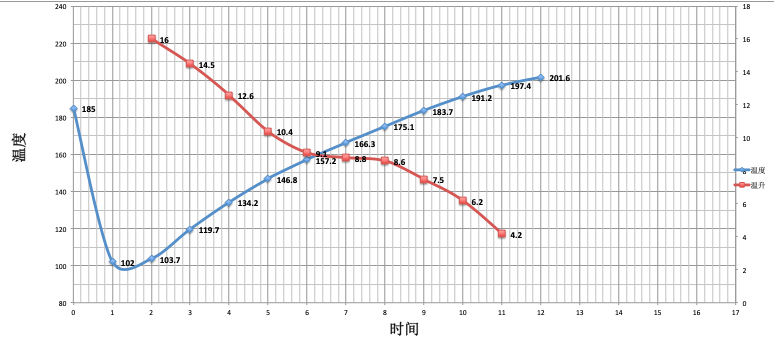
Charge at a drum temperature of 185°C, air damper set to 3, heat at 120, turning point at 1'32" and 98.6°C; when the drum temperature reaches 140°C, open the air damper to 4; at this point the bean surface turns yellow, the grassy smell disappears completely and the dehydration stage begins; when the drum temperature reaches 192°C, adjust the heat to 80 and open the air damper to the maximum of 5; at 8'30", ugly wrinkles and dark mottling appear on the bean surface and the toasted bread smell clearly turns into coffee aroma, which can be defined as the prelude to first crack, so at this point you must listen carefully for the sound of the first crack; first crack begins at 9'15", and after first crack develops for 3'00'', the beans are dropped at 202°C.
Front Street Cupping Report

How does Front Street Coffee brew Colombian Huila coffee?
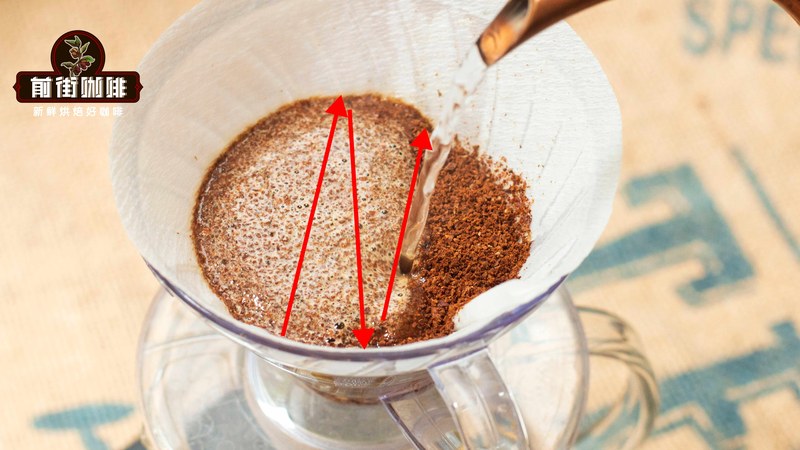
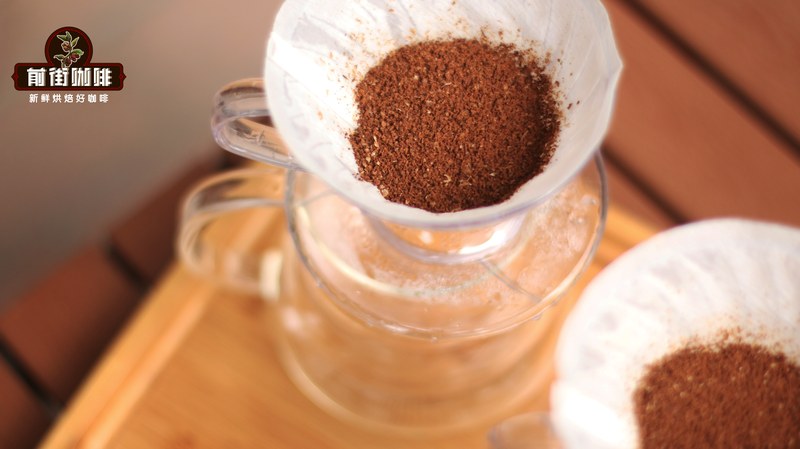
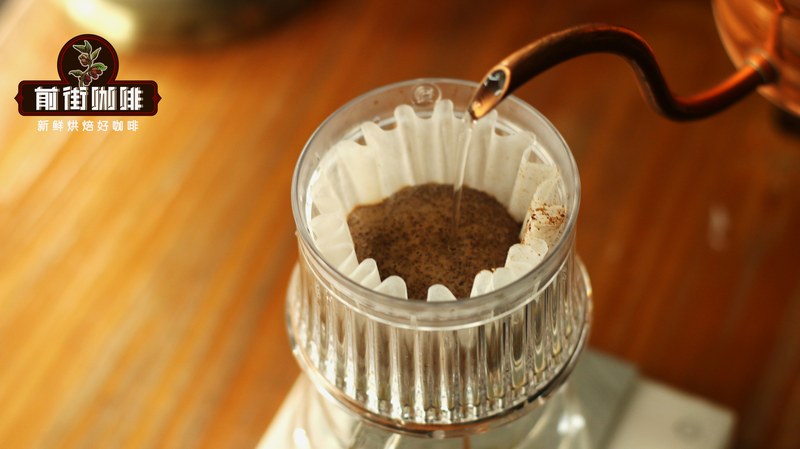
Front Street Coffee uses a V60 dripper to brew coffee from the Colombian region. The 60-degree conical dripper has relatively large holes, and together with its unique spiral curve ribs, air is more easily expelled, thus improving extraction quality.
Water temperature: 90-91°C
Grind size: EK43s setting 10 (caster sugar size / 80% of grounds pass a No. 20 sieve)
Coffee-to-water ratio: 1:15
Dose: 15 g

Front Street brewing method:
For the first pour, add 30 g of water and let it bloom for 30 seconds, then pour 95 g (the scale will read about 125 g), finishing the pour in about 1 minute. When the water level drops to 2/3 of the coffee bed, pour the remaining 100 g (the scale will read about 225 g), finishing the pour in about 1 minute 40 seconds. Dripping is complete at 2'00", remove the dripper, and extraction is finished.
Brewed flavor: nuts, dark chocolate, soft fruit acidity in the middle, caramel sweetness.
Related Reading


Comments (0)
Loading comments...
You May Be Interested




Trending Reviews
Popular Videos

With you, wherever you are! We provide useful features to help you find new things you'll love






