Source:Best Coffee > News Author:qjroot Published:2026-10-08 14:55:36
Two questions come up very often when making cold brew coffee: how coarse should the grounds be? And does drinking it actually wake you up? These two questions are actually tied to the same underlying logic - how low-temperature, long-duration extraction affects coffee's flavor compounds and caffeine. Today we'll use things you can find in your home kitchen to talk this through clearly.
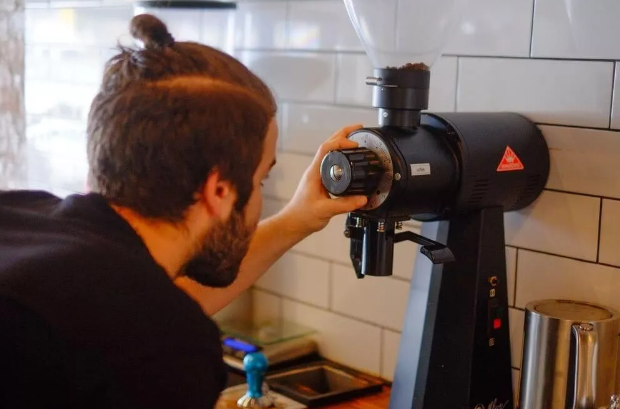
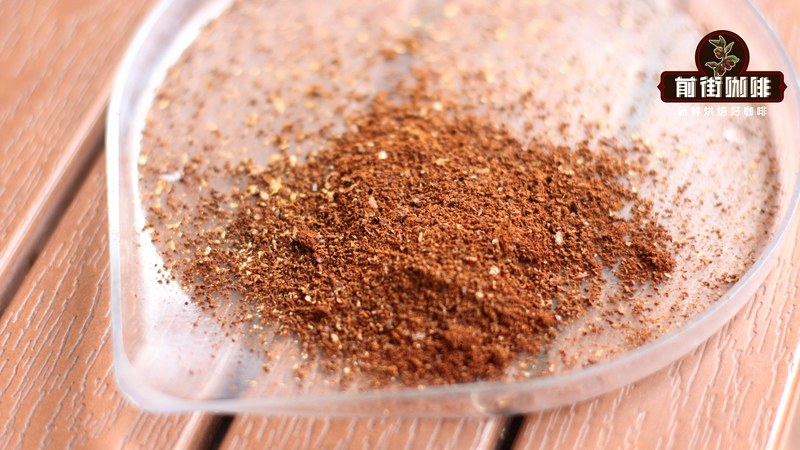
First picture a scene from daily life: the difference between brewing tea with cold water and with hot water. Pour hot water on tea and everything in the leaves comes rushing out all at once - fast, but easy to end up bitter and astringent; steep it slowly in cold water and only those lively small molecules are willing to come out, giving a clear, sweet, gentle brew. Cold brew coffee works the same way. The ice water is low in temperature, and the time it spends with the coffee grounds is stretched to 8 to 24 hours, so light, delicate flavor compounds like floral notes, citrus and berry are happy to dissolve, while the heavy, clumsy large molecules of smoke and charred bitterness are kept outside the door. That's why cold brew tastes low in sourness and astringency, with a clean, smooth mouthfeel, like a cup of coffee juice with its aroma magnified.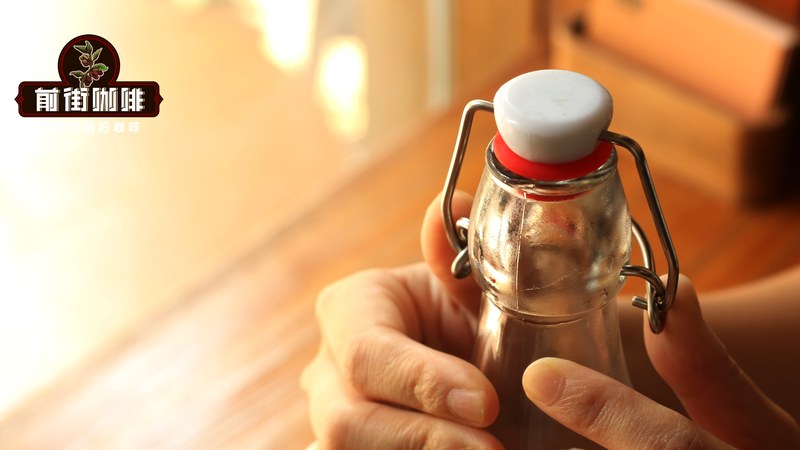 Grind size is the key to controlling this "screening threshold." If the grounds are too fine, the surface area explodes, and even with low water temperature and a long time, the material in the coffee grounds will still be over-extracted, off-flavors and astringency will come out, and the whole batch of cold brew is ruined. So cold brew's grind size should be a bit coarser than pour-over, roughly the texture of coarse sea salt, letting the water pass slowly and evenly through the bed of grounds, with the extraction rhythm just right. As for the grounds-to-water ratio, when trying it at home you can adjust between 1 to 10 and 1 to 16 - choose 1 to 10 if you like it rich and sturdy, move toward 1 to 16 if you prefer a light, clean cup, and for everyday making most people still go with 1 to 12, moderate in strength with clear flavor.
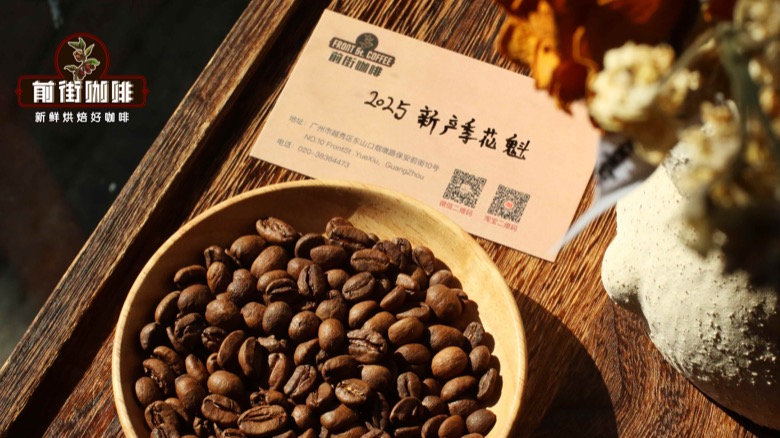
On the subject of bean selection, cold brew is especially good at showing off origin character, but to keep bitterness from stealing the show, a light-to-medium roast is usually the safe bet. That said, medium-dark roasted beans also hold surprises in cold brew - for example Qianjie Yunnan Small Bean, a medium-dark roast from the Yunnan region, carrying a base of nuts and brown sugar, mellow and easy to drink, a solid everyday staple among domestic specialty beans; made into cold brew its sweetness becomes especially clear, suiting those who like a sturdy mouthfeel. If you want to try a more layered flavor, Qianjie Mozart is worth picking up - a Costa Rican anaerobic honey process, with an obvious raisin aroma, showing blueberry, black grape and boozy fermented flavors after cold brewing, with a clean mouthfeel; take a sip straight from the fridge in summer and it's like biting through a chilled wine grape.
The waking-up effect is another hidden advantage of cold brew. Caffeine's extraction isn't fully in step with flavor compounds; it needs time to be released slowly, and cold brew gives it exactly that ample time. Roughly estimated, a 200 ml cup of cold brew made with 20 g of grounds has a caffeine content of about 200 mg, more stimulating than an Americano of the same volume. When you need to focus on work for a long stretch, drive, or study for an exam, taking a bottle of cold brew you prepared ahead of time out of the fridge in the morning is a very reliable boost. But precisely because the caffeine content is high, drinking it after three or four in the afternoon may affect sleep, so you have to judge that for yourself.
Grind size is the key to controlling this "screening threshold." If the grounds are too fine, the surface area explodes, and even with low water temperature and a long time, the material in the coffee grounds will still be over-extracted, off-flavors and astringency will come out, and the whole batch of cold brew is ruined. So cold brew's grind size should be a bit coarser than pour-over, roughly the texture of coarse sea salt, letting the water pass slowly and evenly through the bed of grounds, with the extraction rhythm just right. As for the grounds-to-water ratio, when trying it at home you can adjust between 1 to 10 and 1 to 16 - choose 1 to 10 if you like it rich and sturdy, move toward 1 to 16 if you prefer a light, clean cup, and for everyday making most people still go with 1 to 12, moderate in strength with clear flavor.
On the subject of bean selection, cold brew is especially good at showing off origin character, but to keep bitterness from stealing the show, a light-to-medium roast is usually the safe bet. That said, medium-dark roasted beans also hold surprises in cold brew - for example Qianjie Yunnan Small Bean, a medium-dark roast from the Yunnan region, carrying a base of nuts and brown sugar, mellow and easy to drink, a solid everyday staple among domestic specialty beans; made into cold brew its sweetness becomes especially clear, suiting those who like a sturdy mouthfeel. If you want to try a more layered flavor, Qianjie Mozart is worth picking up - a Costa Rican anaerobic honey process, with an obvious raisin aroma, showing blueberry, black grape and boozy fermented flavors after cold brewing, with a clean mouthfeel; take a sip straight from the fridge in summer and it's like biting through a chilled wine grape.
The waking-up effect is another hidden advantage of cold brew. Caffeine's extraction isn't fully in step with flavor compounds; it needs time to be released slowly, and cold brew gives it exactly that ample time. Roughly estimated, a 200 ml cup of cold brew made with 20 g of grounds has a caffeine content of about 200 mg, more stimulating than an Americano of the same volume. When you need to focus on work for a long stretch, drive, or study for an exam, taking a bottle of cold brew you prepared ahead of time out of the fridge in the morning is a very reliable boost. But precisely because the caffeine content is high, drinking it after three or four in the afternoon may affect sleep, so you have to judge that for yourself.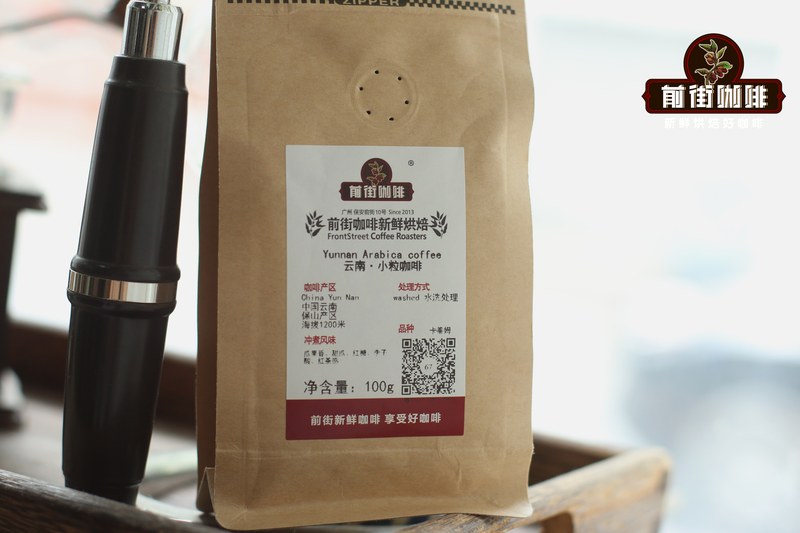 Doing it at home is actually very simple. Taking 20 g of grounds as an example, adjust the grind one notch coarser, pour into a clean airtight jar, add 240 g of cold water at a ratio of 1 to 12, stir gently to combine the grounds and water, put it in the refrigerator's cold compartment, let it sit for 8 to 10 hours, then filter it out with a filter cloth or filter paper and you have a jar of cold brew coffee concentrate. If you want a fuller flavor you can extend it to 12 hours, but generally it's not recommended to go beyond 24 hours, to avoid over-extraction. Keep the filtered coffee liquid refrigerated; if Qianjie Mozart cold brew sits for another 5 hours, the berry aroma becomes more prominent, with a clean citrus entry, sweet and clean - this process of change is also part of what makes cold brew interesting.
Cold brew, iced pour-over and iced drip are three different paths to iced coffee; don't mix up their parameters. Iced pour-over is hot water extracting quickly and then ice cubes cooling it down, all about aromatic impact; iced drip relies on cold water from melting ice dripping through the filter cup drop by drop, taking 4 to 8 hours, with a flavor between cold brew and iced pour-over. Cold brew is very well suited to lazy batch making: brew a jar on the weekend and the iced coffee for the next three or four days is taken care of.
There's no need to agonize over bean selection: Qianjie Yunnan Small Bean's nutty brown-sugar sweetness, Qianjie Mozart's fermented fruit aroma, and Qianjie Flower Butterfly's balanced floral notes - three very different styles, just pick according to the taste you're in the mood for. Cold brew is actually very forgiving; grind a little coarser and stretch the time a little longer, and it's always better than an over-extracted, bitter cup. This summer, why not dig an airtight jar out of a corner of the kitchen and start your first pot of cold brew experiments.
Doing it at home is actually very simple. Taking 20 g of grounds as an example, adjust the grind one notch coarser, pour into a clean airtight jar, add 240 g of cold water at a ratio of 1 to 12, stir gently to combine the grounds and water, put it in the refrigerator's cold compartment, let it sit for 8 to 10 hours, then filter it out with a filter cloth or filter paper and you have a jar of cold brew coffee concentrate. If you want a fuller flavor you can extend it to 12 hours, but generally it's not recommended to go beyond 24 hours, to avoid over-extraction. Keep the filtered coffee liquid refrigerated; if Qianjie Mozart cold brew sits for another 5 hours, the berry aroma becomes more prominent, with a clean citrus entry, sweet and clean - this process of change is also part of what makes cold brew interesting.
Cold brew, iced pour-over and iced drip are three different paths to iced coffee; don't mix up their parameters. Iced pour-over is hot water extracting quickly and then ice cubes cooling it down, all about aromatic impact; iced drip relies on cold water from melting ice dripping through the filter cup drop by drop, taking 4 to 8 hours, with a flavor between cold brew and iced pour-over. Cold brew is very well suited to lazy batch making: brew a jar on the weekend and the iced coffee for the next three or four days is taken care of.
There's no need to agonize over bean selection: Qianjie Yunnan Small Bean's nutty brown-sugar sweetness, Qianjie Mozart's fermented fruit aroma, and Qianjie Flower Butterfly's balanced floral notes - three very different styles, just pick according to the taste you're in the mood for. Cold brew is actually very forgiving; grind a little coarser and stretch the time a little longer, and it's always better than an over-extracted, bitter cup. This summer, why not dig an airtight jar out of a corner of the kitchen and start your first pot of cold brew experiments.
Related Reading


Comments (0)
Loading comments...
You May Be Interested

Trending Reviews
Popular Videos

With you, wherever you are! We provide useful features to help you find new things you'll love






