Source:Best Coffee > News Author:qjroot Published:2024-07-07 18:49:01
In Asia, with suitable geographical conditions and other factors, and because the Asian continent spans the frigid, temperate and torrid zones, its climate types are complex and diverse, so many countries in Asia grow coffee, such as Yunnan in China, Vietnam, Thailand and Indonesia.
Thailand's coffee history dates back to the late 19th century, when Thailand was under the rule of King Rama V. At that time, Dutch merchants brought coffee tree seeds into Thailand from Indonesia, but coffee cultivation was not taken seriously at the time.
What truly drove the development of Thai coffee was the 1970s, when Thailand's King Bhumibol Adulyadej launched a new royal project to grow other cash crops to replace the country's opium cultivation, and coffee was chosen as a suitable replacement crop because the coffee tree's growing environment is similar to that of the opium poppy. This royal project selected coffee cultivation in the mountainous areas of northern Thailand, especially Chiang Mai province and Chiang Rai province, and it has gradually developed to the present day.
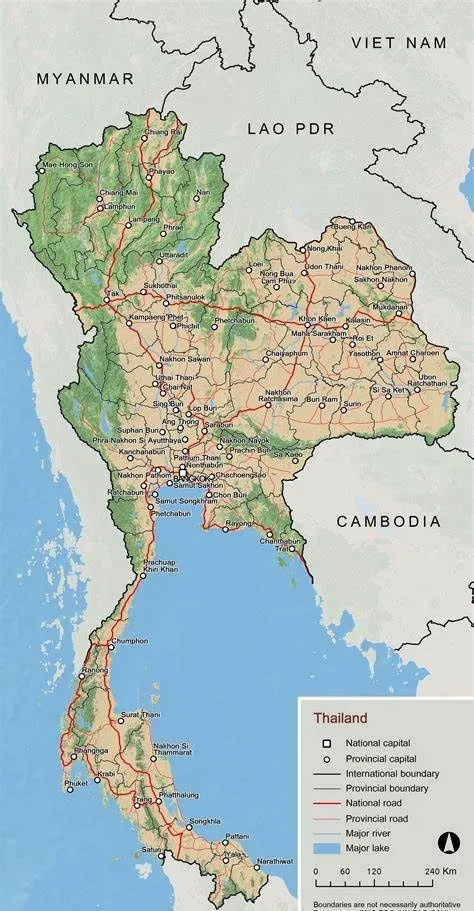
Thailand's overall terrain is high in the north and low in the south, with more than 50% being plains and lowlands. The terrain is mainly divided into four natural regions: the mountainous jungle of the north, the flat and fertile Chao Phraya River plain in the center, the Khorat Plateau in the northeast, and in southern Thailand the continuation of the western mountain range, which extends further south to form the Malay Peninsula.
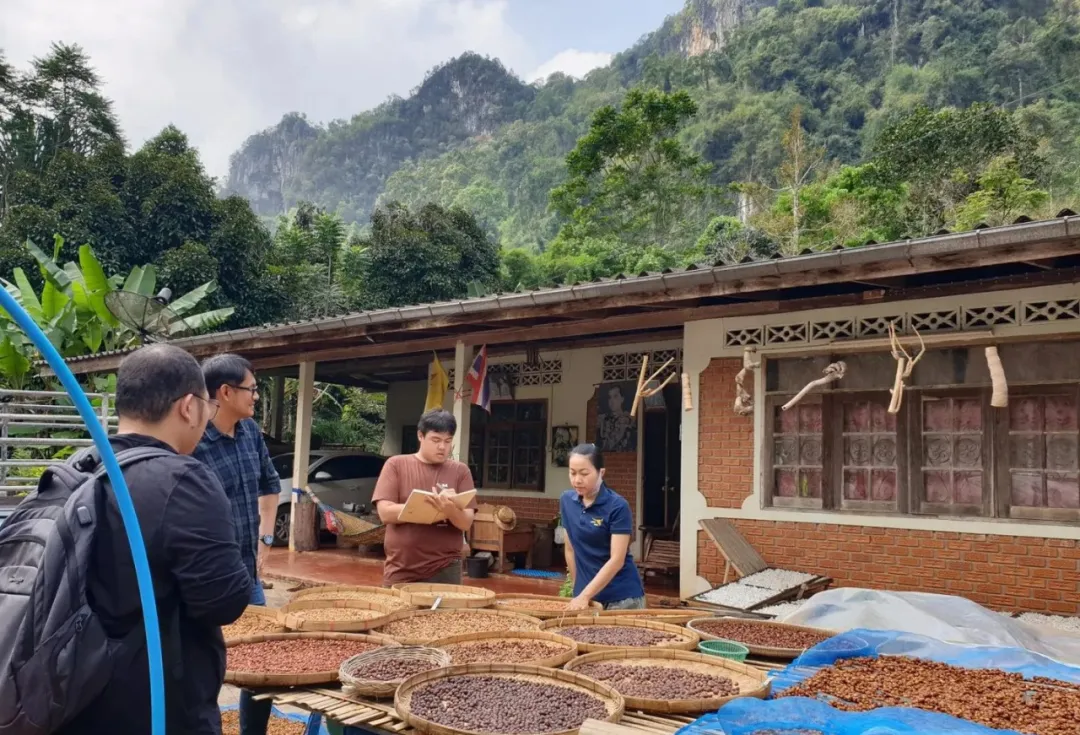
Most of Thailand has a tropical monsoon climate, and the year is divided into 3 seasons: the hot season (February to May), the rainy season (June to October) and the cool season (November to February of the following year). The annual average temperature is 27.7°C, the highest temperature can reach above 40°C, the annual average rainfall is 1100 mm, and the average humidity is 66%-82%. The country is rich in natural resources, with high-altitude mountain areas, numerous rivers, abundant rain, and a suitable climate and temperature, making coffee one of the country's main cash crops.
In recent decades, because Robusta has high environmental tolerance, is easy to grow and gives high coffee yields, it has been widely planted in southern Thailand, and production has also increased substantially. In recent years, however, with growing global demand for specialty coffee, Thailand has also begun to focus on growing Arabica varieties and improving their cultivation quality to raise its international influence.
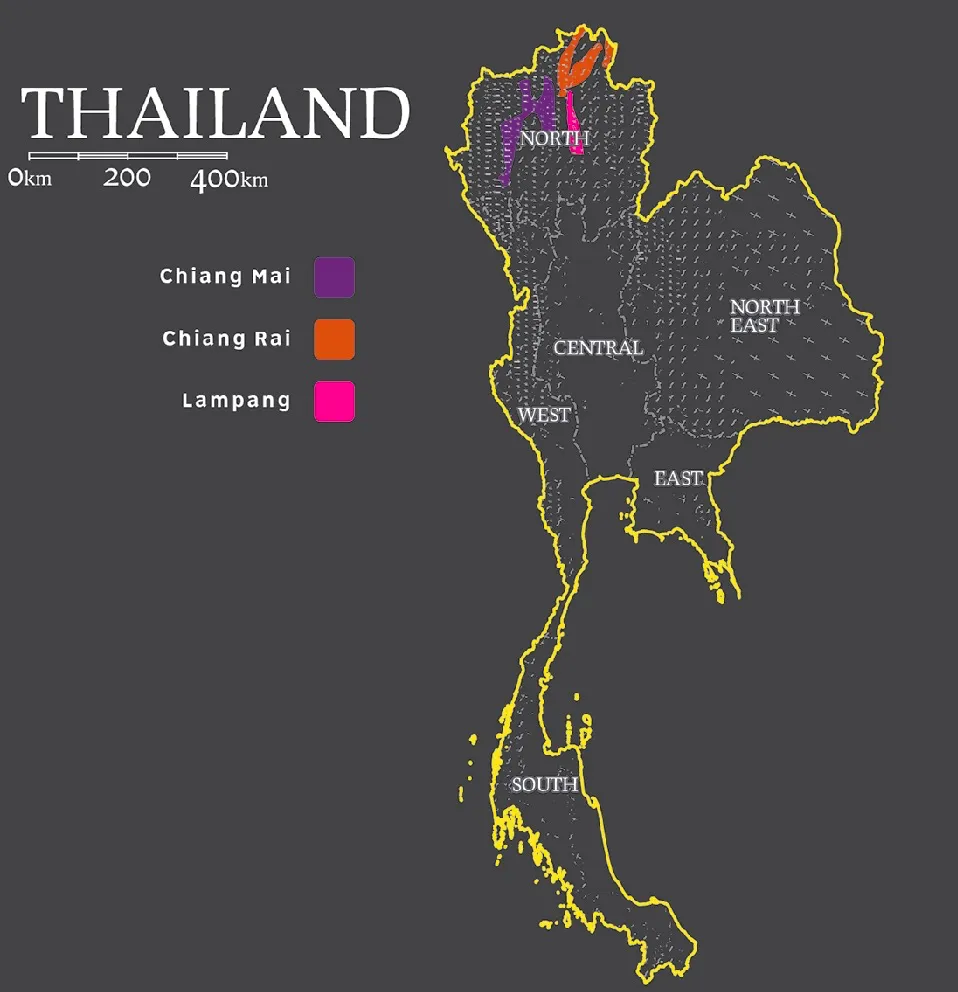
Based on differences in regional climate and geological conditions, the Thai government divides the country mainly into two coffee-growing regions, north and south. In the north, Chiang Mai, Chiang Rai and Lampang are the main Arabica-growing areas, while in the south, provinces such as Chumphon and Surat Thani are the main Robusta-growing areas.
In recent years, the Thai government has been developing new growing areas in the north. In addition to the three main growing areas of Chiang Mai, Chiang Rai and Lampang, it is developing Nan in the north of the country.
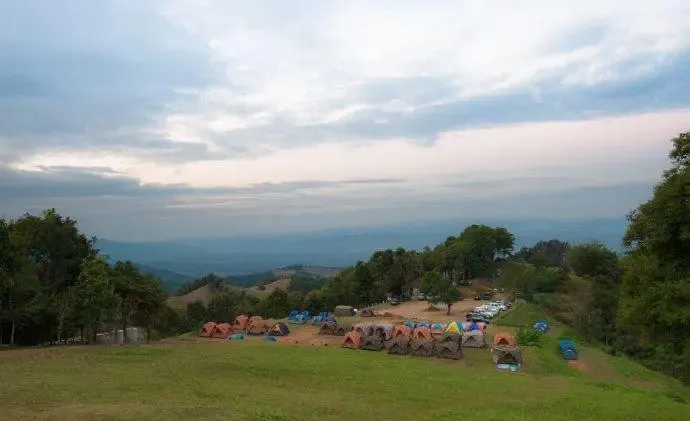
Nan is located in a remote river valley of the Nan River in the north, surrounded by mountains and forests, with the highest mountain range, Phu Khe, reaching an altitude of 2079 m. But for a long time, because of its remote location, its development has been slower than that of other cities, and it has only begun to develop in recent years. Although the pace of development is slow and the local area remains relatively pristine, coffee can grow better here.
In 2022, the nonprofit organization Alliance for Coffee Excellence (ACE) searched the world for outstanding coffees, and therefore prepared a COE competition in Thailand, which also provided opportunities for local Thai farmers. In every year since, Thailand has held a COE competition, and this year's Thailand COE results have also been announced: Coffee De Hmong Biofarm from Nan won the championship for a second consecutive year with 91.8 points; the estate had already won the COE championship in 2023.
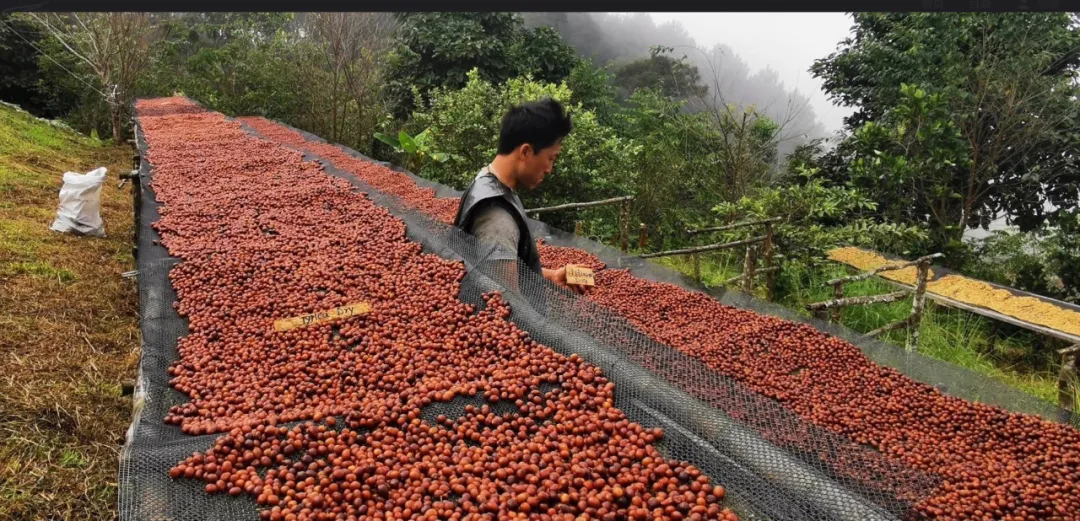
The Hmong coffee estate in Nan (Coffee De Hmong Biofarm) is located deep in the mountains and forests of Nan, and is currently run by Wichai Kamnerd Mongkon and his family. Part of the estate was once forest, and another part was used to grow crops such as cabbage. Coffee was only planted starting in 2012, initially with the Geisha , Catimor and Java varieties, and it has always been organically farmed. Only after many years of deep cultivation was it able to take first place in the COE competition.
Related Reading


Comments (0)
Loading comments...
You May Be Interested



Trending Reviews
Popular Videos

With you, wherever you are! We provide useful features to help you find new things you'll love






