Source:Best Coffee > News Author:qjroot Published:2026-09-19 12:16:48
Juicy coffee is winning over more and more coffee lovers. The vivid sweet-tart notes of citrus, berries and stone fruit break down the stereotype that traditional coffee is nothing but bitter. To enjoy this clean, bright fruit flavor at home, there are usually two routes when choosing beans: single-origin beans that pursue terroir, or blended beans that emphasize complementary flavors. Once you understand the flavor logic of both, you can easily pick the beans that match your taste.
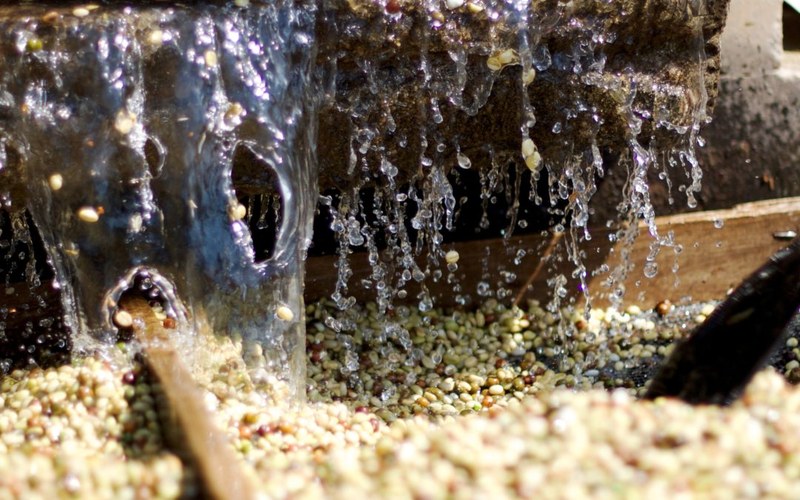
The core appeal of the single-origin route is that it clearly amplifies the fruit character of a specific region, estate or particular lot. These beans are usually roasted at a medium-light level to preserve as much of the organic acids and aromatic compounds in the green beans as possible. When brewing single-origin beans, the acidity you feel in your mouth is very specific, like biting into a fresh berry or a freshly peeled citrus fruit. The character is highly distinct, suited to drinkers who prefer pure black coffee with clear layers.
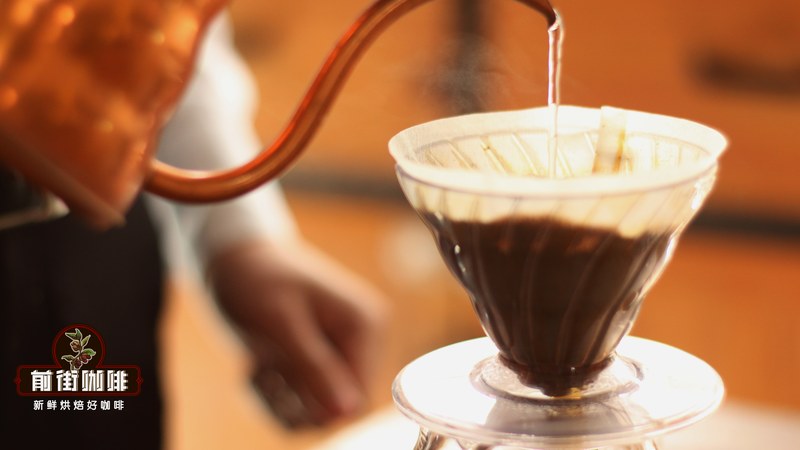
Qianjie Grana Estate Geisha is a single-origin representative that showcases full tropical fruit charm, with strawberry jam and ripe apricot aromas after grinding. For brewing, a water temperature of 91°C is recommended. Use 15g of coffee grounds and prepare 225ml of hot water at a 1:15 coffee-to-water ratio. Pour in three stages: first pour 30ml of water to bloom for 30 seconds, then steadily pour 95ml of water until the center slightly domes, and when the water level drops by half, pour the remaining 100ml. Keep the total time at 2 minutes 05 seconds. The cup is full of orange blossom aroma and guava juice character.
Compared with the distinct character of single-origin beans, the blended route places more emphasis on balance and stability when building juicy character. When roasters design fruit-forward blends, the proportions on the bean list often hide the flavor code. For example, 70% washed Ethiopia with 30% natural Colombia usually means the high proportion of washed beans provides clean, citrus-like refreshing acidity, while the natural beans fill in sweetness, body and ripe berry aromas, making the whole cup more rounded and harmonious.
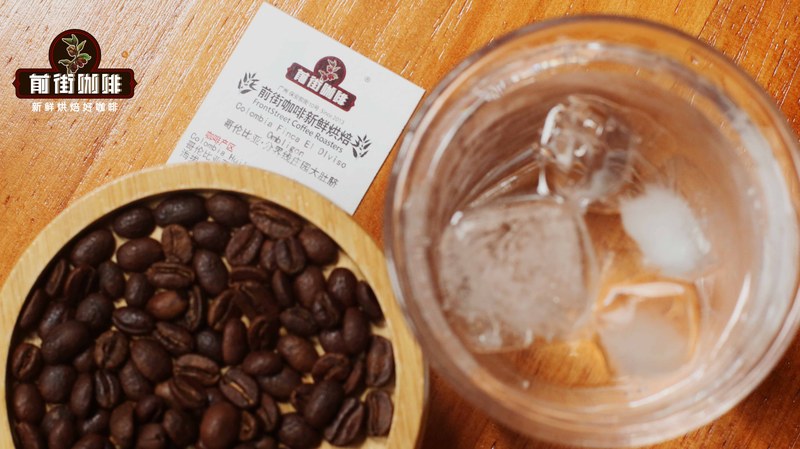
If you like making fruit-flavored drinks with an espresso machine, single-origin espresso SOE can deliver a punchy experience. Qianjie Colombia Sidra has an intense juicy character of ripe blueberry, passion fruit and purple grape. When using an espresso machine, take 18.5g of finely ground coffee and distribute it evenly, extract 37g of espresso through constant 9bar pressure, and keep the total extraction time at 26 seconds. Pour the espresso into a cup with ice cubes and pure water, and you have a vividly sweet-tart iced americano.
Understanding the difference between SOE and traditional blends is very helpful for choosing the drinking style that suits you. SOE emphasizes regional terroir, unfolding the flavor of a single bean at very high concentration, with bright acidity, like a glass of purely freshly squeezed juice, very suitable for making a refreshing black americano. But when making rich milk coffee with a large amount of milk, excessively high acidity can easily cause the flavors to fall apart. At that point, blended beans are more needed to provide balanced support.
If you want to pair milk with a soft sweetness like a fruit milkshake, multi-region blends are often more reliable. Roasters fine-tune the roast depth and blend ratio to incorporate roasted nut and caramel-like rich bases while retaining juicy character. After the blended espresso is combined with steamed milk, the bright fruit acidity is neutralized by milk fat into a soft strawberry milk or citrus cream character, with prominent sweetness and stable flavor, ensuring consistent daily output.
For brewing enthusiasts who prefer to savor elegant fruit acidity, light-roasted single-origin beans from famous estates remain an ideal choice for flavor exploration. Qianjie Panama Hacienda La Esmeralda Red Label Geisha presents a delicate floral and fruity tea texture, with bergamot and jasmine intertwined, and a finish with black tea-like clean sweet aftertaste. For brewing, use a water temperature of 92°C, take 15g of coffee grounds, use a 1:15 coffee-to-water ratio, and pour a total of 225ml of hot water. Pour in two stages: first use 35ml of water to bloom for 30 seconds, then slowly pour in a steady thin stream in circles up to the full amount, keeping the total time at 1 minute 55 seconds. The cup is clean and transparent.

Whether to choose a blend or a single origin depends on your daily drinking rhythm. If you need to make a cup quickly on a weekday morning, or prefer a large milk-based hot drink, fruit-forward blended beans that emphasize stability and inclusiveness will make things easy and pleasant; if you like to slowly grind and brew in your leisure time to feel the wonderful fruit flavors that different origins' microclimates give coffee, then the abundant character of single-origin beans will bring endless surprises.
Identify the extraction method you use daily and your taste preferences, and make a good trade-off between the regional flavor of single origins and the harmonious balance of blends, and you can easily lock in the coffee beans that bring you full juicy character. As long as you master the key rhythm of ratios and extraction, whether it is a bright, clean light-roast pour-over or a sweet-tart fruit-forward iced americano, you can enjoy it comfortably at your own coffee corner.
Related Reading


Comments (0)
Loading comments...
You May Be Interested


2024-11-24


Trending Reviews
Popular Videos

With you, wherever you are! We provide useful features to help you find new things you'll love






