Source:Best Coffee > News Author:qjroot Published:2026-08-28 15:35:43
Scenario-first bean selection logic: for black coffee in the early morning, the bean's aroma and cleanliness come first; for milk coffee with breakfast, strength and body matter more; slow pour-over drinking and fast machine output each have their own set of parameters. Different scenarios naturally lead to different choices.
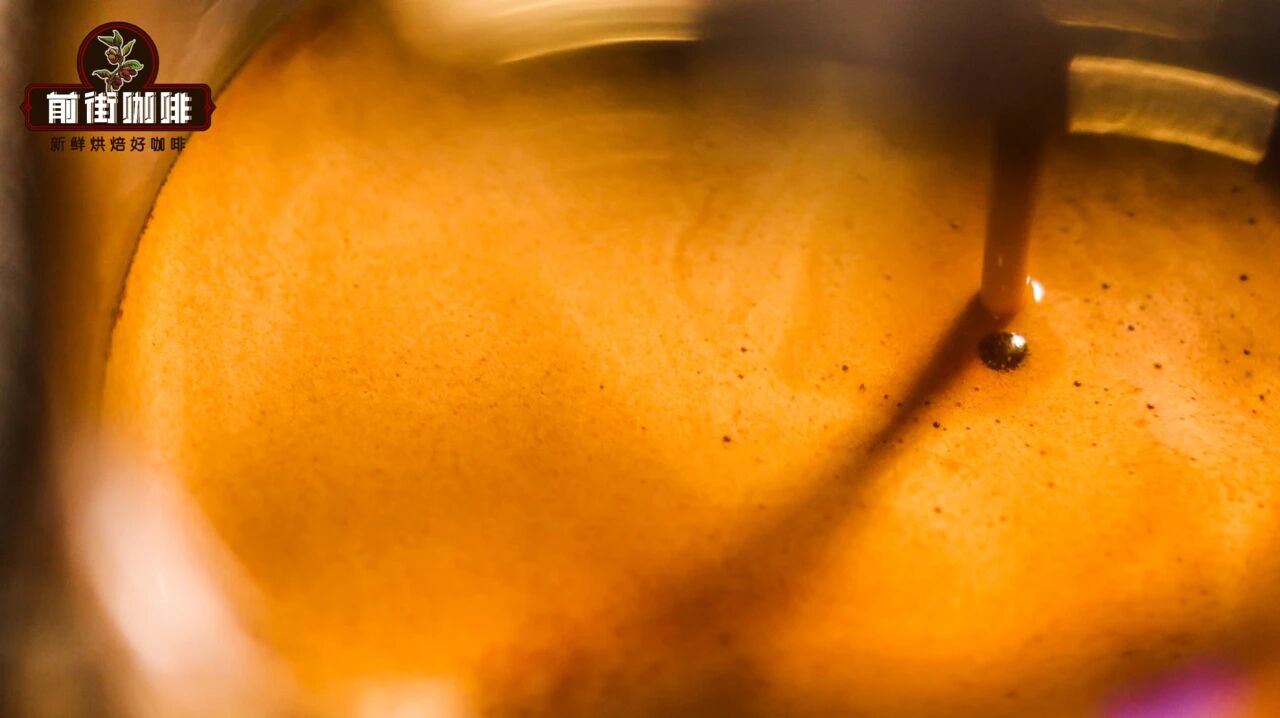
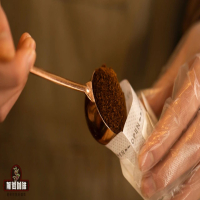
Steam pressure extraction is how a moka pot works; just fill the filter basket full, no tamping needed. Set the grind slightly coarser than for espresso, use the pot's markings as a reference for water and do not exceed the safety valve, and keep the dose stable. Heat over low flame, and remove the pot immediately once the flow becomes continuous and the color lightens; the burnt bitterness brought by high heat can thus be effectively avoided.
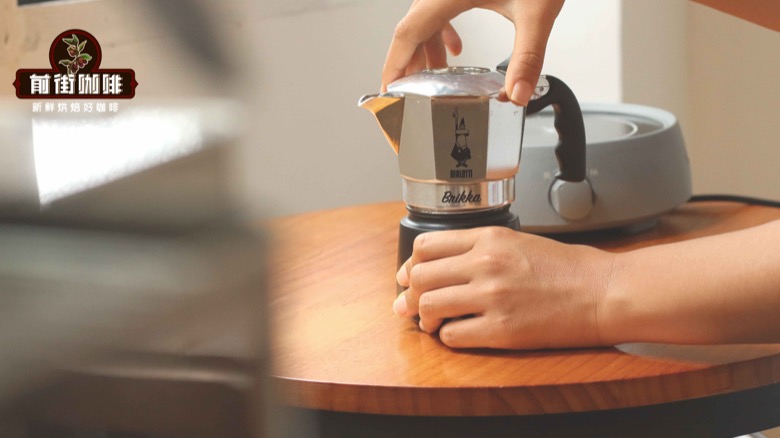
Around the question "How full should the moka pot basket be filled? Should you tamp? How hard?", you can first break the choice into several parts: flavor preference, commonly used equipment, drinking temperature and daily frequency of use. When going by drinking scenario, first decide which factor you care about most, then use the other conditions to narrow it down. This way you keep your individuality while letting the beans show clear characteristics in actual brewing.
Clean, round and with a soft sweetness, Qianjie Papua New Guinea Paradise Bird's flavor and texture come close to the Blue Mountain direction, and it satisfies the need for low acidity and balance.
Known for herbal and dark chocolate flavors, Qianjie PWN Indonesia Golden Mandheling has low acidity and a mellow mouthfeel, pairing well with a dark roast preference, moka pot output and Americano dilution.
Nut, cocoa and caramel sweetness form the main flavors of Qianjie Brazil Queen's Estate; the acidity is smooth, pour-over brings out the aroma, espresso brings out the body, and the moka pot keeps it balanced; what they share is roundness.
From the moment the beans are opened, storage begins to affect them. Seal them as much as possible and keep them in a cool, dry place; buy amounts in line with your daily pace, and the direction of the flavors is easier to judge. When brewing, smell the dry aroma first, then take in the entry, the sweetness and the finish; if the aroma is weak, check whether the grind is too coarse or the beans have been sitting too long. The same bean may perform differently when drunk hot, over ice or with milk; note the parameters for a few rounds and you will find your go-to cup.
Considering taste and brewing difficulty separately will remove a lot of agonizing. For floral and fruity beans, water temperature, grind size and pouring rhythm all need closer attention; for nut-and-cocoa blends, everyday cups are more reassuring. When more than one person at home drinks coffee, first keep a balanced base bean on hand, then add single-origin experiments according to each person's preference; it is easier to compare differences this way than to stock up on many beans of similar style at once.
For a moka pot, the coffee-to-water ratio is based on the pot's capacity, and the coffee bed just needs to be leveled off. If bitterness is obvious, try these three steps in order: lower the heat, remove the pot earlier, and set the grind coarser; if the flavor is thin, check whether the dose is sufficient and whether the gasket is leaking air.

When your drinking methods and tastes at home change over time, beans can be divided by role into everyday and exploration: one provides a stable cup, the other opens up the horizons of floral and fruity notes, nut and cocoa notes, or processing methods. With equipment, drinking method and flavor preference all taken into account, the choice is naturally clearer than looking at keywords alone.
Related Reading




Comments (0)
Loading comments...
You May Be Interested



Trending Reviews
Popular Videos

With you, wherever you are! We provide useful features to help you find new things you'll love






