Source:Best Coffee > News Author:qjroot Published:2024-06-28 19:03:56
And President William Ruto announced that he had approved the cancellation of a 6.7 billion shilling debt for the cooperative, and that the government had allocated 4 billion shillings to the Coffee Cherry Fund, which will benefit farmers.
But recently, according to local Kenyan media reports, anti-tax protests broke out in Nairobi, the capital of Kenya, during which police clashed with demonstrators, resulting in multiple deaths and injuries.Moreover, in the following period, the demonstrations in Nairobi spread to other parts of Kenya, with clashes also occurring in multiple locations. Many people are calling for the resignation of President William Ruto and opposing the tax increase policy.
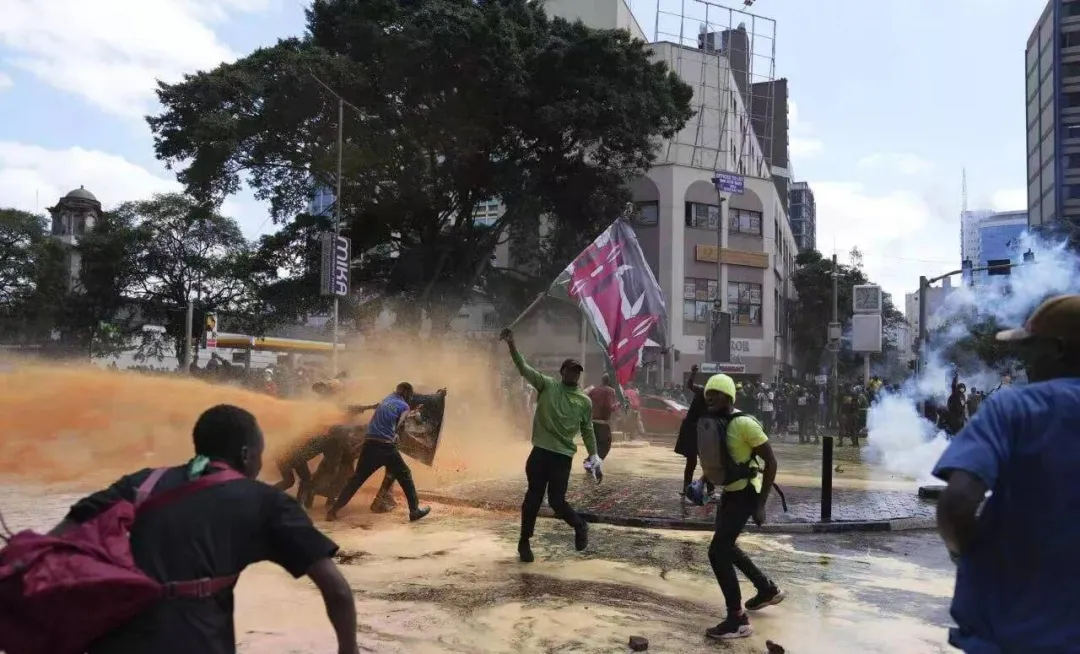
According to reports, based on data released by the Kenyan Ministry of Finance, Kenya’s current external debt stands at approximately $36.66 billion (about 4.7 trillion Kenyan shillings). To this end, in early June, Kenya reached a preliminary agreement with the International Monetary Fund to secure $1.1 billion in funding. However, due to Kenya’s limited repayment capacity, the Kenyan government has decided to increase tariffs in order to obtain more funds.
The new tax increases will impose a 16% value-added tax on the purchase of bread, sugar, transportation, mobile communication and financial services, and foreign currency transactions. However, the public has been facing ongoing living pressures, compounded by the prolonged impact of the COVID-19 pandemic, geopolitical factors driving up prices, currency depreciation, and other economic shocks, leading to mounting resentment toward the government that eventually erupted into violent clashes.
Industry insiders in Kenya said that several coffee processing factories, including the globally renowned NKG, have ceased operations due to the government’s earlier implementation of new coffee regulations. As a result, farmers are now required to process their coffee at designated and licensed factories. However, some smaller facilities are facing challenges such as backlog of goods and logistics issues, while workers have joined protests and demonstrations. This has led to delays in processing and labor shortages, causing some coffee cherries to rot. Ultimately, this has resulted in reduced exports and lower income.
Related Reading






Comments (0)
Loading comments...
You May Be Interested




Trending Reviews
Popular Videos

With you, wherever you are! We provide useful features to help you find new things you'll love






