Source:Best Coffee > News Author:qjroot Published:2026-09-02 18:38:16
Light-to-medium roasted Yirgacheffe commonly shows citrus, white flowers, berries and a tea-like quality, with bright acidity and a light body. It suits black coffee, and when served over ice it takes on a crisp, juicy character. That said, the same kind of beans put into different brewers will head in different directions in aroma, sweetness and strength. Before buying beans, first look at the equipment you usually use at home, then decide on grind, water temperature and coffee-to-water ratio, and the flavor will more easily come close to your everyday expectations.
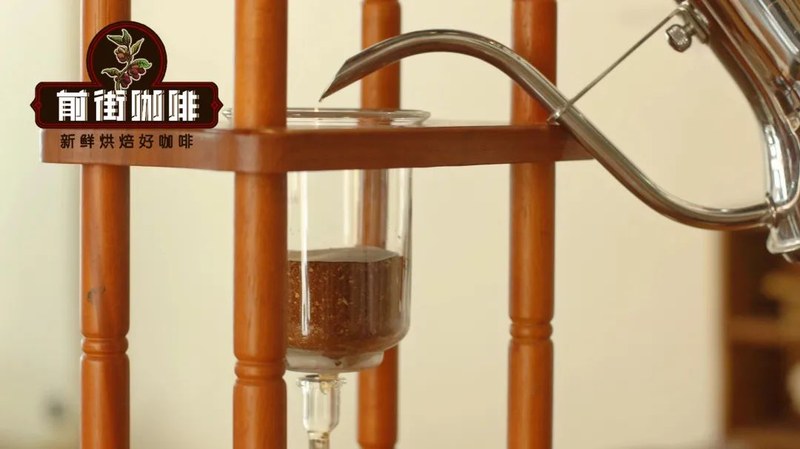
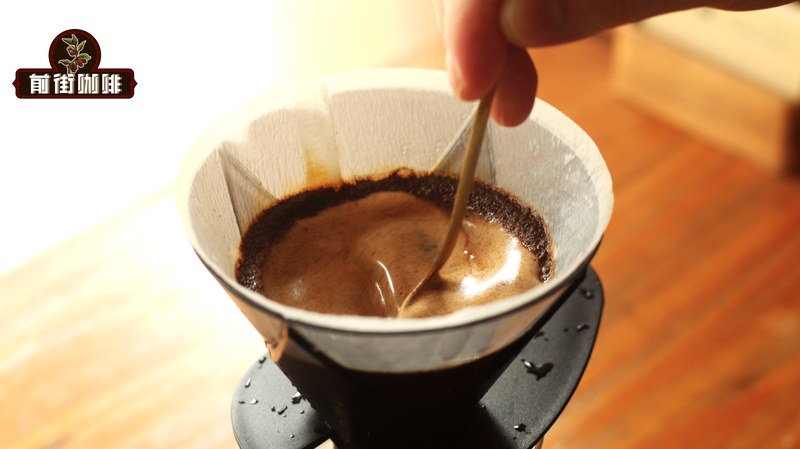
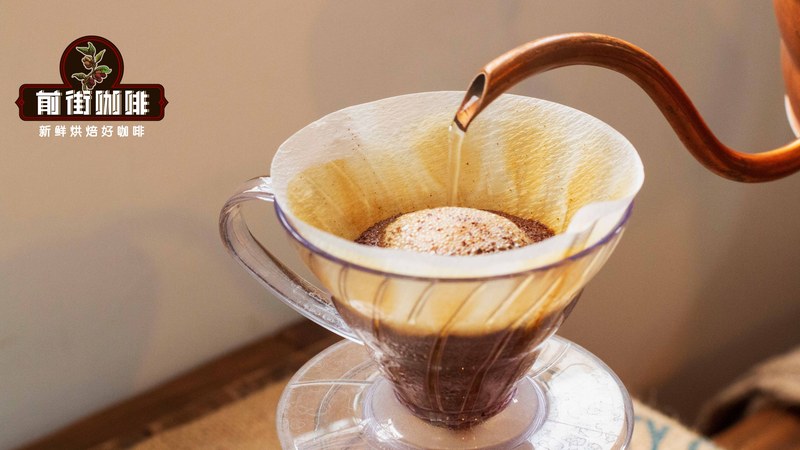
If using a conical dripper, start with a relatively fine pour-over grind, set the coffee-to-water ratio at 1:15 to 1:16, and keep the water temperature between 90 and 93°C. Use 15 g of coffee with 240 g of water, first bloom with 30 to 40 g of water for 35 seconds, then pour in two to three stages. This setup helps draw out the floral and citrus notes while preserving the tea-like finish common to Yirgacheffe.
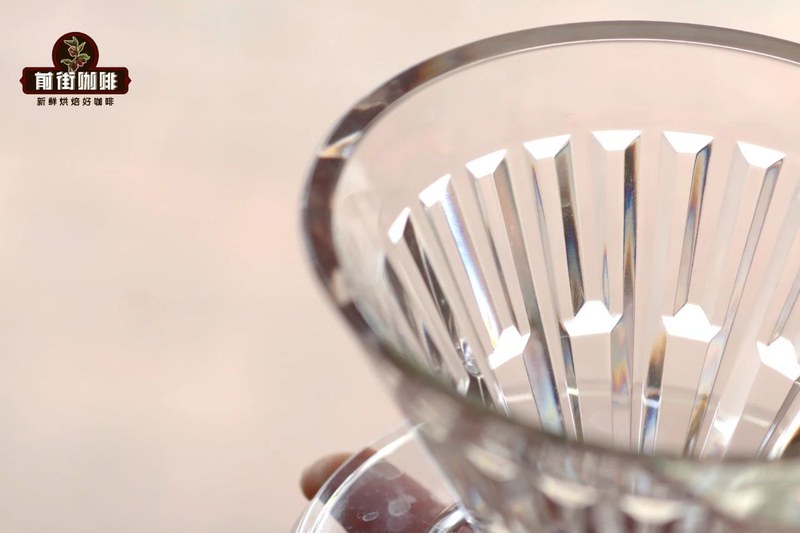
A V60-style dripper shows more noticeable changes in flow, and pouring force directly affects the extraction speed. For a bright, light cup, keep the stream thinner and the circling radius smaller; if the entry tastes sharp, grind slightly finer or raise the water temperature by one degree. When an obvious astringency appears in the tail end, reduce heavy agitation and shorten the contact between the final pour and the coffee bed, and the sweetness in the cup usually becomes softer.
A flat-bottom dripper has a relatively stable flow rate and suits people just starting out with light-to-medium roasted beans. The grind can be slightly coarser than for a conical dripper, start with a 1:16 ratio, and a water temperature of around 92°C balances aroma and sweetness. Keep the water level steady while pouring, complete the total water in three stages, and with an overall extraction time of 2 minutes 30 seconds to 3 minutes you can get a rounder citrus, honey and black-tea-like mouthfeel.
If you use an AeroPress at home, light-to-medium roasted Yirgacheffe can follow an immersion approach. Add 220 g of water to 15 g of coffee, grind slightly coarser than for pour-over, use 91°C water, steep for 1 minute 10 seconds, then press down slowly. For more prominent fruit aromatics, shorten the steep and raise the water temperature; if you want a thicker body, extend it to 1 minute 30 seconds, or use a little less water and then top up with water before drinking.
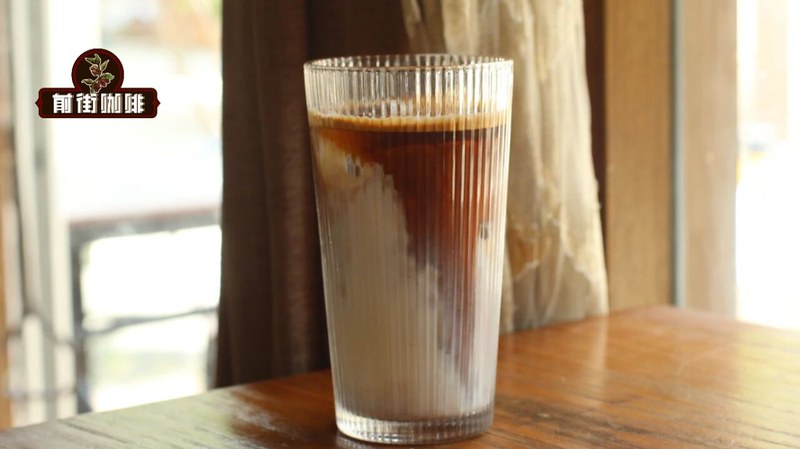
Iced pour-over suits hot weather and also makes the acidity of Yirgacheffe seem crisper. You can use 15 g of coffee, 150 g of hot water and 90 g of ice, with a water temperature of 91 to 93°C, pour the hot water in two to three stages, and let the brewed coffee fall directly onto the ice. The grind should not be too coarse, otherwise the aroma will seem thin; if the fruitiness is too sharp, increase the total hot water or reduce the proportion of ice.
If you want to use a moka pot, choose beans from the light-to-medium roast range that have fuller sweetness and less biting acidity. Fill the basket level with coffee, grind slightly coarser than for espresso, add hot water to the base up to below the safety valve, and heat over low flame. When the color of the coffee turns from dark to light, remove the pot from the heat, wait for the pressure to release, then pour. Adding a small amount of hot water to make an Americano lets the fruit aromatics open up.
Qianjie Kafa Forest is suited to brewing in a conical dripper or flat-bottom dripper. Its cup often has an orange-like brightness, along with the sweet ripeness of apricot and peach, and a tail end with an elegant oolong-tea-like note. For pour-over, use 92°C and a 1:16 ratio; after it cools, the sweetness becomes more concentrated, making it suitable for drinking alone in the afternoon or pairing with light pastries.
Qianjie Grana Estate Geisha is better suited to those who want to observe how the aroma changes. Orange blossom, guava, apricot and strawberry-jam-like rich aromas appear layer by layer in pour-over as the temperature drops. A dripper is recommended, with 15 g of coffee to 240 g of water, a water temperature of 91 to 92°C, and gentle pouring to avoid over-disturbing the coffee bed, keeping the floral-fruity aroma and fermented sweetness clear.
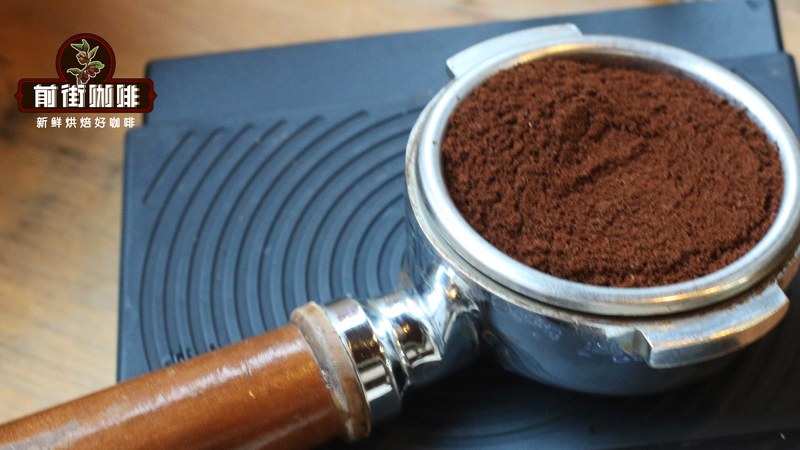
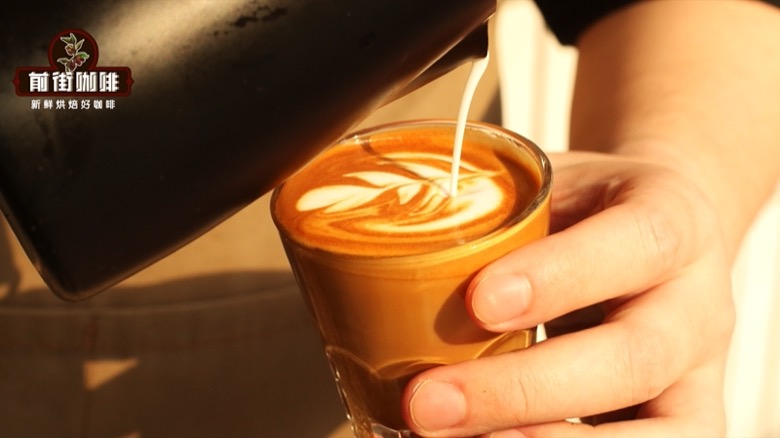
If you mainly use an espresso machine, light-to-medium roasted Yirgacheffe can be made into a single-origin espresso or Americano, and the parameters need to be adjusted more carefully than for dark-roasted beans. Start with 18 g of coffee and 36 to 42 g of liquid yield, and observe the flow rate and the taste on entry within 25 to 32 seconds. When the acidity is sharp, grind slightly finer or raise the water temperature; if the finish is dry, reduce the liquid yield and keep the amount of milk small so the floral-fruity aroma is not completely covered.
After buying beans and taking them home, brewer parameters should also be judged together with the roast date and storage condition. Light-to-medium roasted beans usually need some time to degas, so smell the dry aroma before brewing, then use a fixed amount of coffee and water to establish a reference. If you like a crisp floral aroma, choose a conical dripper and iced pour-over; if you prefer softer sweetness, use a flat-bottom dripper or AeroPress. Only Yirgacheffe selected this way fits more easily into your own coffee time.
Related Reading


Comments (0)
Loading comments...
You May Be Interested


Trending Reviews
Popular Videos

With you, wherever you are! We provide useful features to help you find new things you'll love






