Source:Best Coffee > News Author:qjroot Published:2025-03-18 10:00:15
On the FrontStreet Coffee bean list, the darkest roast is Mandheling coffee from Indonesia. It is widely popular for its distinctive spice aroma, herbal, caramel and cocoa flavors. As a result, many people ask how the distinctive herbal flavor in Mandheling coffee comes about?
First, this is inevitably tied to the growing environment of the coffee beans. Indonesia is an archipelagic country with coffee grown on multiple islands, and Mandheling comes from its largest island, Sumatra. Mandheling is the name of a local ethnic minority, but it was mistaken for the name of the coffee beans and has been passed down to this day. Today, Mandheling has become synonymous with "Sumatra coffee."
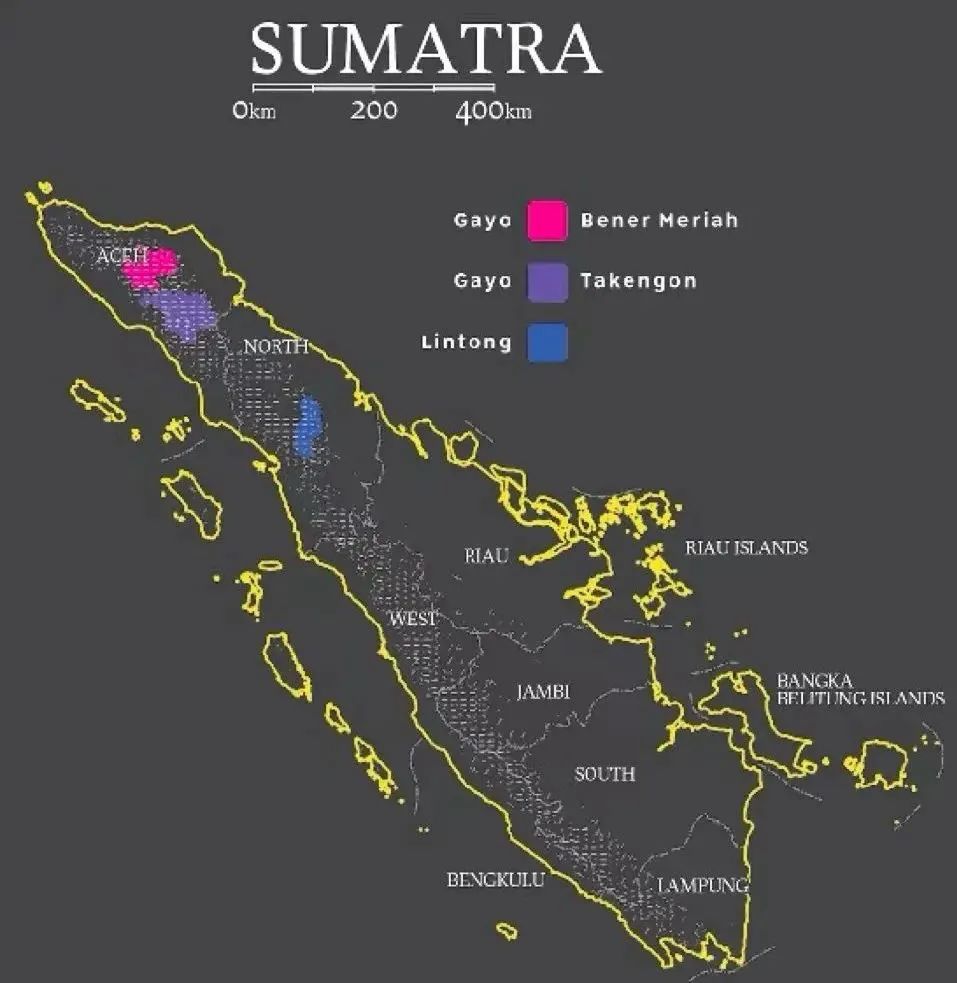
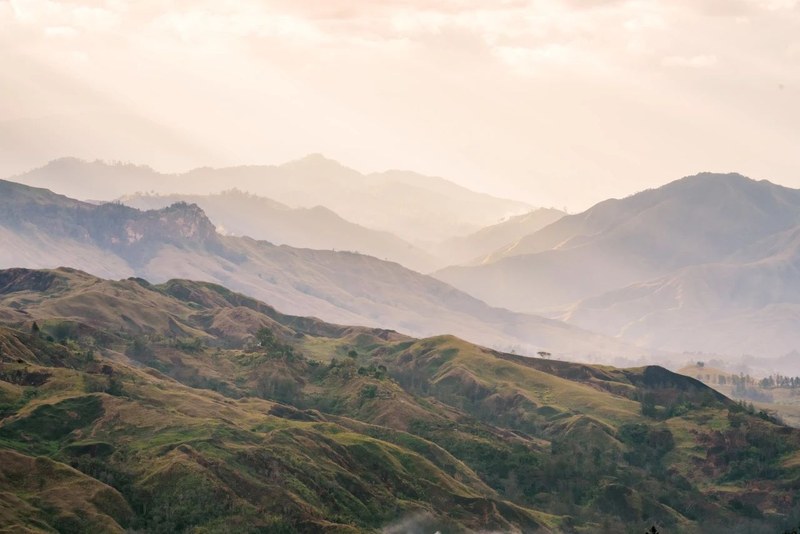
Mandheling is mainly grown in the northwest of Sumatra, concentrated in the Gayo and Lake Tawar areas of Aceh and the Lake Toba area of North Sumatra Province, which are also the famous "two lakes, two Mandheling" regions. The coffee is grown on hillsides at altitudes of 1100-1600 m. These areas have fertile volcanic soil and abundant water resources, making them very suitable for Arabica coffee cultivation and growth.
Moreover, Indonesia has a long coffee history. Initially, in the 18th century, Arabica varieties such as Typica and Bourbon were already grown on the island. However, after coffee leaf rust appeared and damaged coffee growth, the Indonesian government began introducing other new coffee varieties to preserve coffee production, including Robusta beans. The varieties may be the reason Mandheling coffee has its distinctive herbal and earthy flavor characteristics.
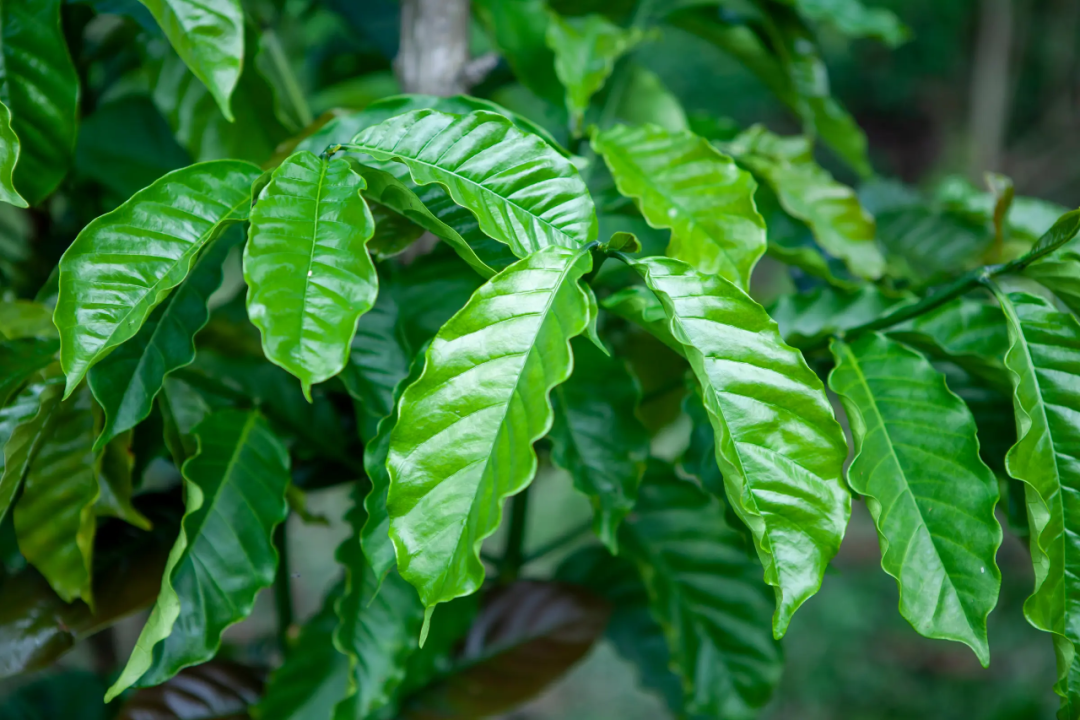
At present, the common coffee varieties on Sumatra are Ateng and TimTim. These two are not new varieties: Ateng is actually the Catimor variety, while TimTim is Timor. These are the local names for these varieties, and only Catimor grown on Sumatra and the islands native to Indonesia can be called Ateng.
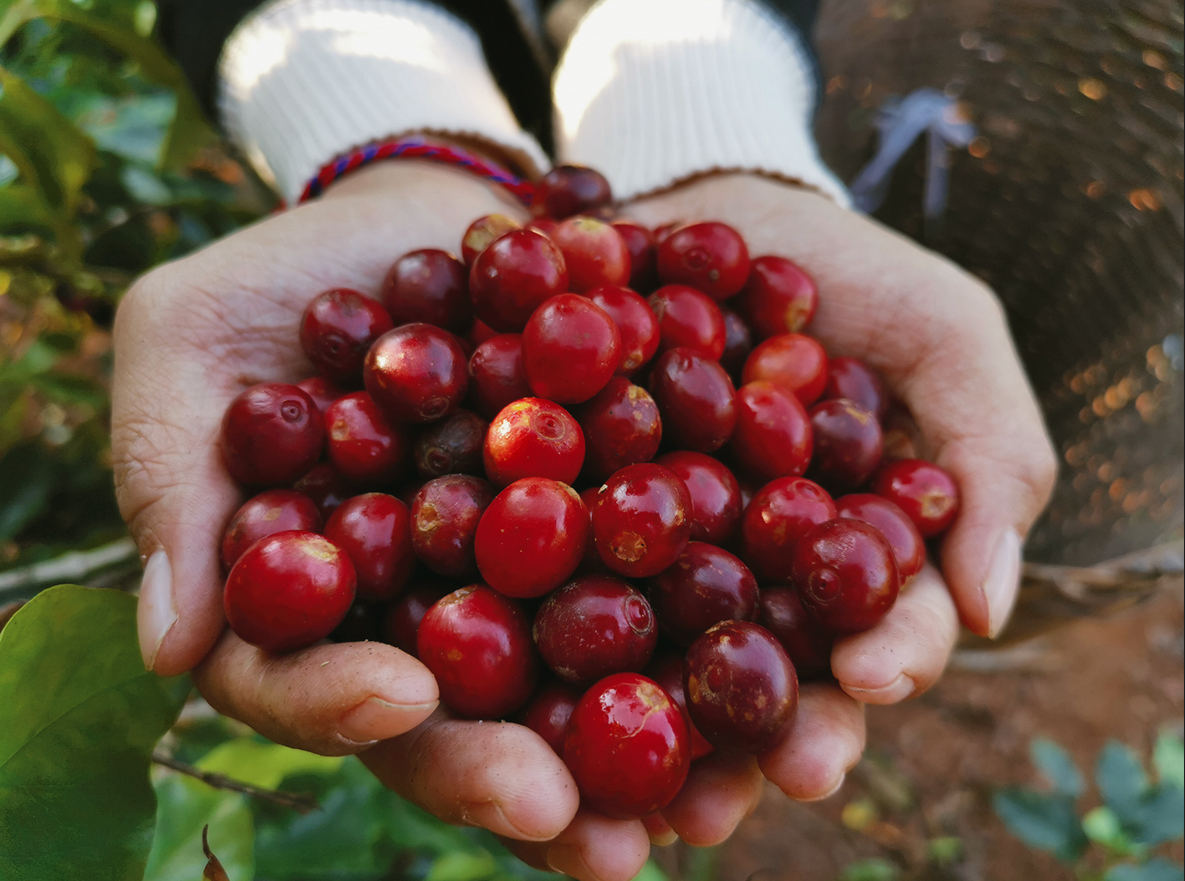
Timor is the Timor Hybrid that appeared on the island of East Timor; it is a natural hybrid of the Arabica and Robusta varieties, belongs to the Arabica coffee plant, but carries the disease-resistance genes of the Robusta variety. Catimor is a cross between Timor and Caturra, which produced the first generation of F1 hybrid variety group.
Robusta has higher levels of caffeine, amino acids and chlorogenic acid than Arabica, and chlorogenic acid is the source of bitterness, so it can be said that Ateng and TimTim both contain Robusta genes and will carry some herbal and earthy flavors.
In addition, Indonesia lies in the tropics and has mainly a tropical rainforest climate, so most regions are hot and rainy, with short sunshine hours and humidity all year round as high as 70%-90%. The rainy weather makes it difficult for Indonesia to dry coffee cherries through long sun-drying as other countries do.
So the country adapted to local conditions and developed the wet hulling method (called Giling Basah in Indonesian) to process coffee. The early stage of wet hulling is the same as the washed method: after fermentation, the beans are sun-dried for a short time, but the moisture content is still very high. At this point a huller is used to remove the parchment layer from the coffee beans, and finally they are dried until the moisture content reaches 12%-15%. This method can greatly reduce the sun-drying time and complete drying faster.
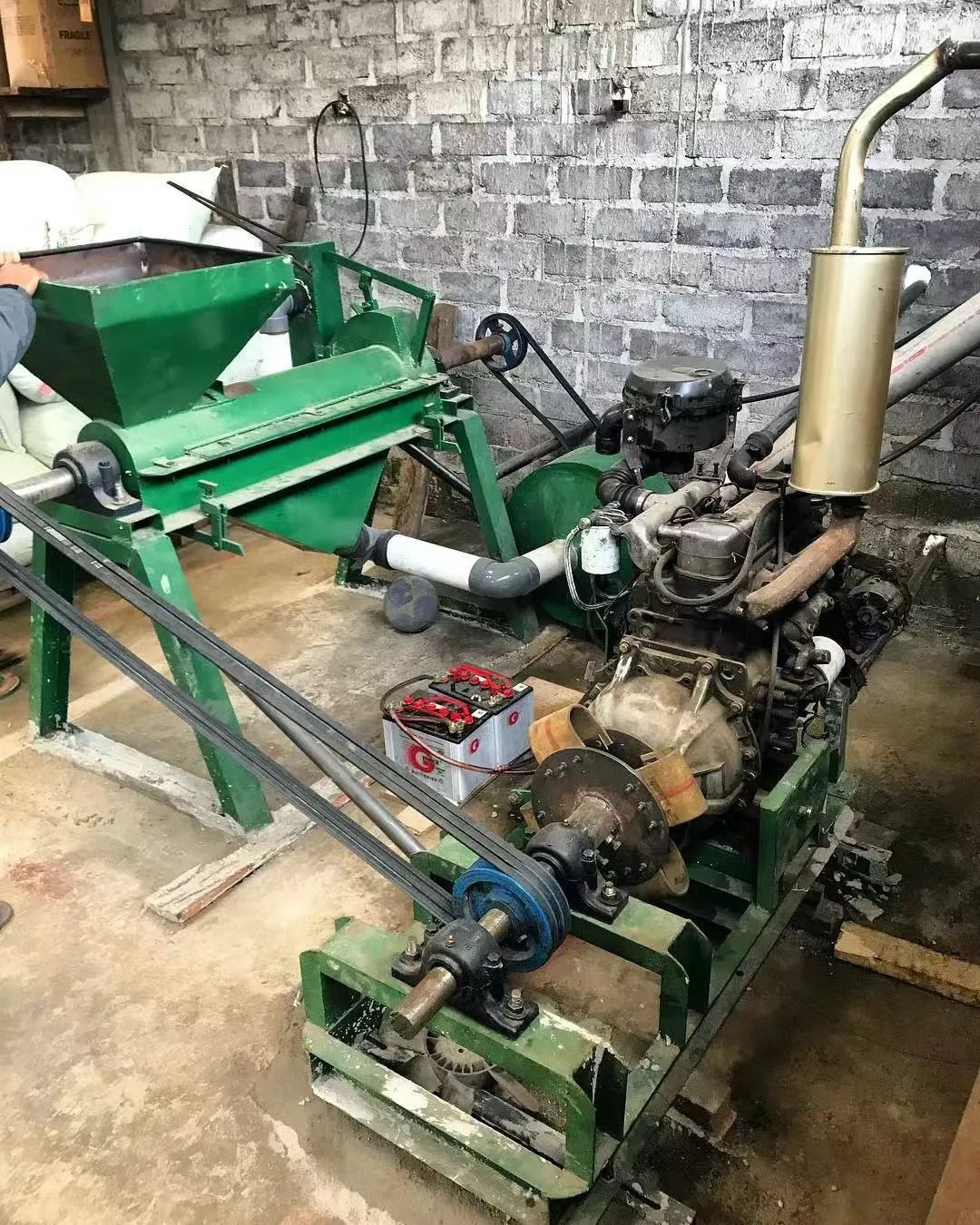
Although the process of using a huller to remove the parchment layer from coffee beans is very rough, and while removing the parchment layer it easily crushes and bruises the green coffee beans, causing some beans to form cracks similar to a sheep's hoof shape and become "sheep's hoof beans," wet-hulled coffee is usually full-bodied and intense, with a distinctive character.
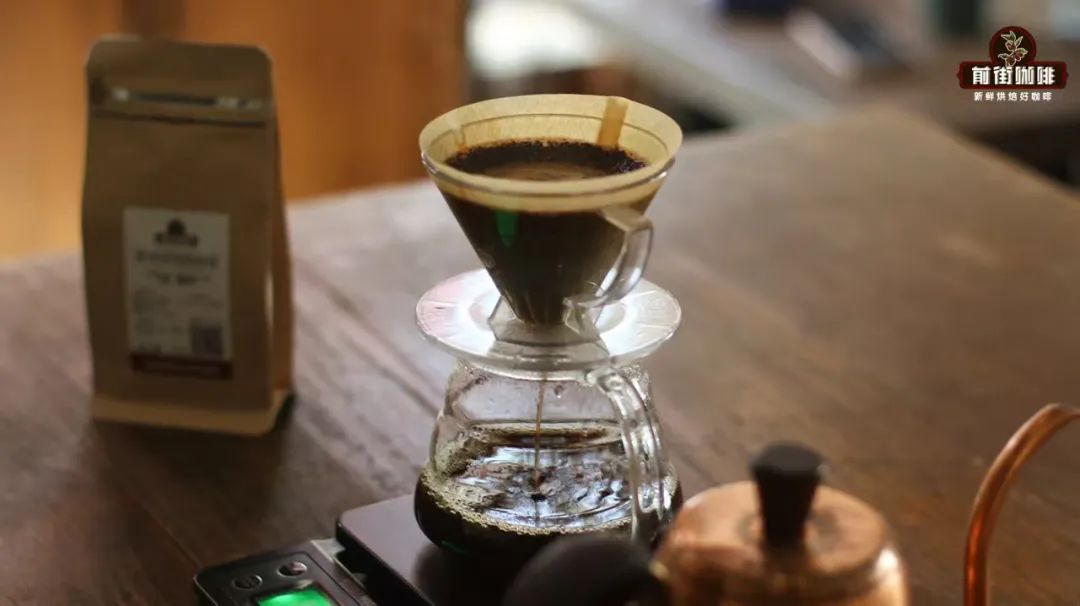
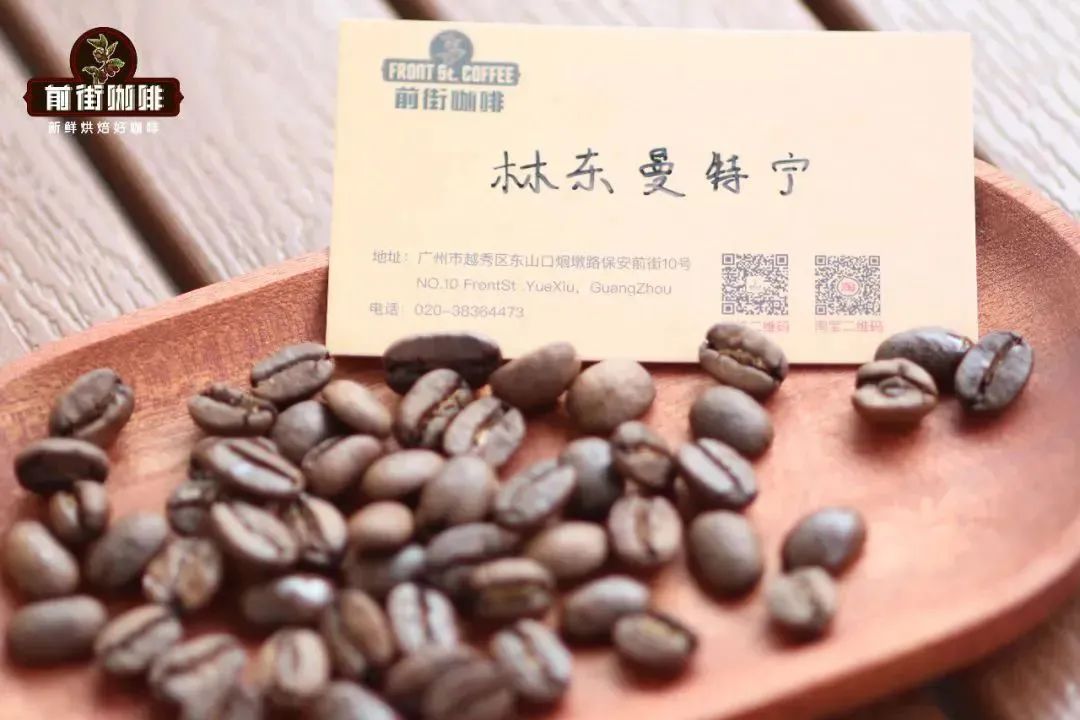
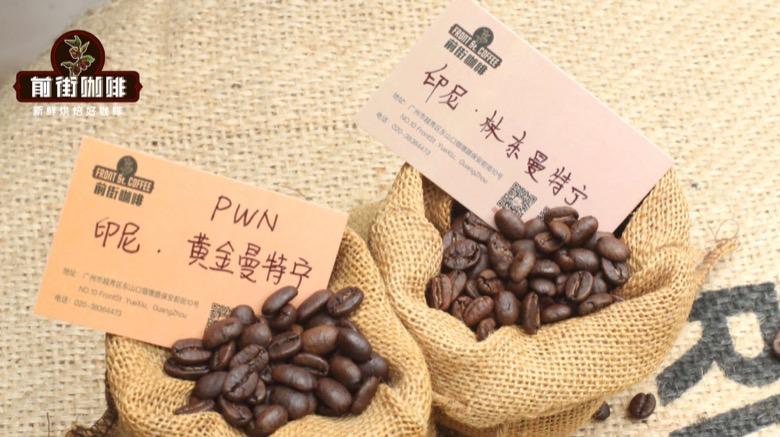
At present, the Lintong Mandheling in the Front Street entry-level selection series is of the Ateng and TimTim varieties, processed with the wet hulling method. After brewing, it carries herbal and dark chocolate flavors, a full-bodied mouthfeel, and a high sweet caramel aftertaste.
To learn more about coffee origins and news, please scan the QR code to follow: Kaping
Long-press the QR code to follow:

Related Reading

Comments (0)
Loading comments...
You May Be Interested

Trending Reviews
Popular Videos

With you, wherever you are! We provide useful features to help you find new things you'll love






