Source:Best Coffee > News Author:qjroot Published:2026-08-18 10:56:36
When it comes to Central American coffee, Guatemala is often seen as a stop with a distinct personality. This Central American country combines volcanoes, high altitudes and a humid climate, and the coffee it produces carries smoky notes and cacao tones, forming a clear contrast with the bright fruit acidity of many African beans. What kind of flavor logic is hidden in this volcanic soil is worth discussing.
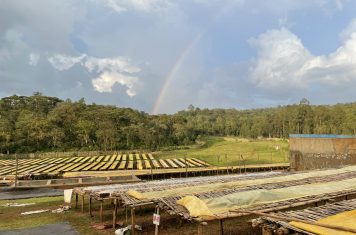
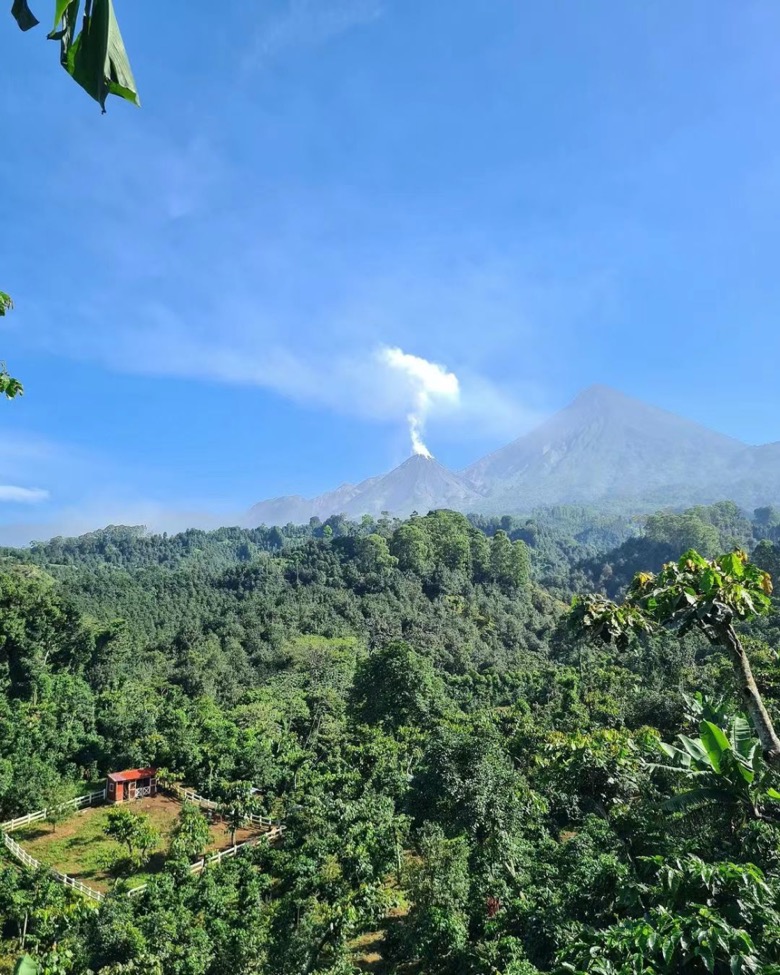
Most of Guatemala's coffee regions sit in volcanic zones. Volcanic ash weathers over the years to form soil rich in minerals, with good drainage, which also lets coffee trees absorb nutrients in a more balanced way. Many local estates are distributed on high slopes above 1,500 m, where the large temperature difference between day and night slows fruit ripening and allows flavor compounds to accumulate more fully, so the cup often has a solid structure and restrained sweetness.
Guatemala has several regions with clearly different styles. Regions with high altitude and abundant cloud and mist are known for floral and citrus notes; regions with newer volcanic rock lean toward smoke and dark chocolate; the lower-altitude areas in the southeast have a rounder mouthfeel with prominent nuttiness. This diversity makes Guatemala a representative of a country with a thousand faces, where options can be found from crisp to full-bodied.
Guatemalan coffee is often described as having smoky, cacao and spice aromas, which is related to local processing habits and soil conditions. Traditionally, many estates use washed processing, so the coffee has relatively high cleanliness and soft acidity; the mineral feel of the volcanic soil plus a stable climate makes roasted beans more likely to show notes such as dark cacao and roasted nuts. People who like this kind of flavor often also take a liking to the herbal and dark chocolate aromas of Qianjie PWN Indonesia Golden Mandheling and the nutty cacao feel of Qianjie Brazil Queen Estate.
Guatemalan beans perform in a relatively balanced way at medium roast, with fruit acidity and cacao notes coexisting; if you want to highlight smoke and a thick mouthfeel, you can lean appropriately toward medium-dark roast. In brewing, pour-over can make its layers clearer, while espresso magnifies the cacao feel. Extracting with a moka pot is also a common approach, and the resulting coffee has enough body, still retaining a clear cacao finish after adding milk.
The charm of Guatemalan coffee lies in the way it always finds its own place between acidity and body. Whether made as a single-origin pour-over or used as an espresso staple, it can bring a memorable point different from African and Asian regions, and it deserves a dedicated place during a coffee region tour.
Related Reading





Comments (0)
Loading comments...
You May Be Interested



Trending Reviews
Popular Videos

With you, wherever you are! We provide useful features to help you find new things you'll love






