Source:Best Coffee > News Author:qjroot Published:2026-09-22 14:35:48
The weather is getting increasingly hot and humid, and many friends keep wanting something icy and thirst-quenching, yet they worry that coffee will be bitter, harsh and sour. In fact, once you try making cold brew yourself, you will discover that coffee can actually have the texture of clear, sweet fruit juice. Low-temperature slow extraction not only removes the astringent bitterness that makes people frown, but also fully preserves the delicate aromatic compounds. No expensive specialized equipment is needed; just grab a glass jar and you can unlock summer happiness.
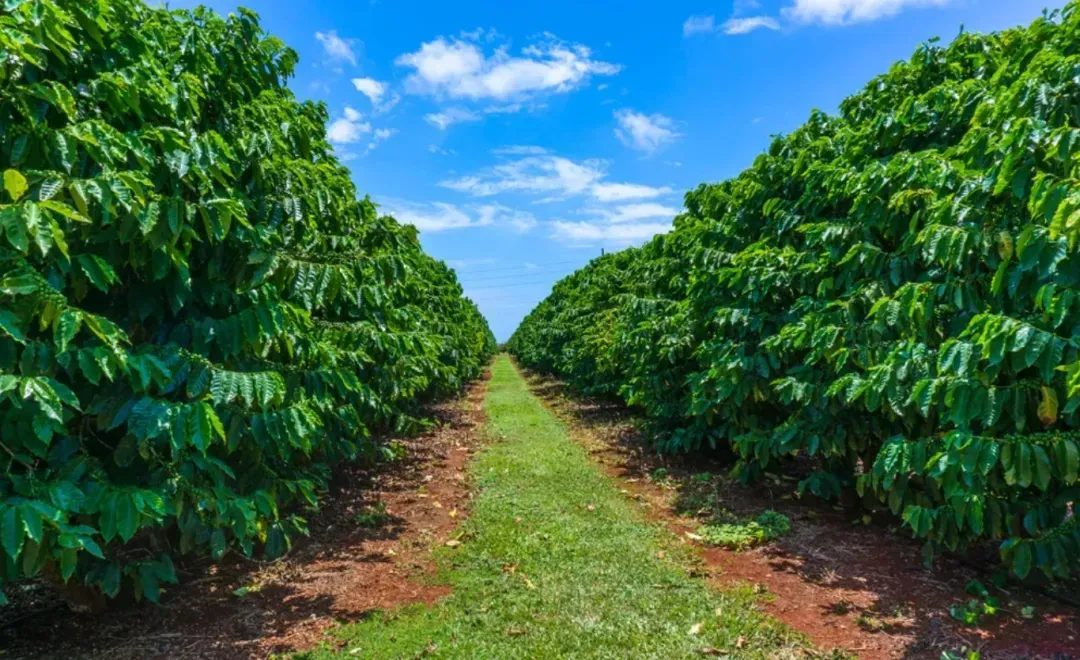
To brew a cup of cold brew with high sweetness, bean selection is the key factor determining the direction of the flavor. Dark-roasted beans tend to seem dull and heavy at low temperatures, while light-to-medium roasted single-origin beans often carry lively floral and fruity aromas with soft acidity and sweetness, which pairs perfectly with the refreshing sensation of icing. The world's three major coffee-producing regions, due to differences in climate and soil, cultivate completely distinct flavor personalities, which can precisely satisfy different picky palates.
Friends who adore fresh floral notes and a light tea-like body should definitely turn their eyes to the African producing regions. For example, Qianjie washed Gededing Cooperative, after low-temperature cold brewing, can present an especially elegant jasmine fragrance and citrus green tea charm, with no burden at all when drinking. If you prefer intense berry aromas, Qianjie Huakui coffee beans are a stunning option, as the cold-brewed liquid is full of passion fruit and strawberry juice character, with intertwined acidity and sweetness that is especially vivid.
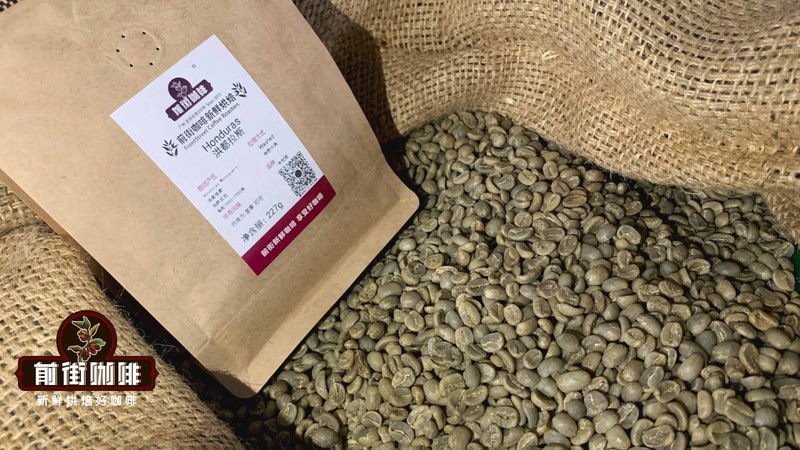
For those who like rich jammy sweetness and alluring fermentation aromas, the terroir of Central and South America will bring you a huge surprise. For example, Qianjie Mozart from Costa Rica, slowly steeped in cold water, releases layered aromas of grape juice, osmanthus and pineapple, with abundant sweetness. There is also Qianjie Colombia Papayo, carrying bright orange and slightly tipsy fruit wine aromas; after icing, it enters the mouth smooth as silk, with an especially lingering sweet aftertaste.
If you prefer a mellow, substantial mouthfeel with a touch of warm woody tone, the Asian producing regions are a solid reliance. Beans from Sumatra, Indonesia, or Baoshan, Yunnan, under cold brew extraction, will restrain their original heavy herbal bitterness and instead show warm brown sugar, roasted nut and malt sweetness. This flavor suits friends who dislike any acidity and pursue a gentle, rounded taste; add a little fresh milk and it becomes a rich cold brew milk coffee.
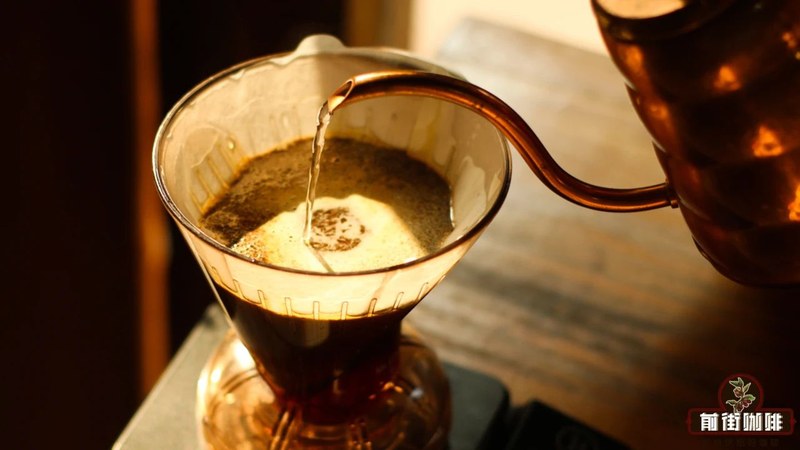
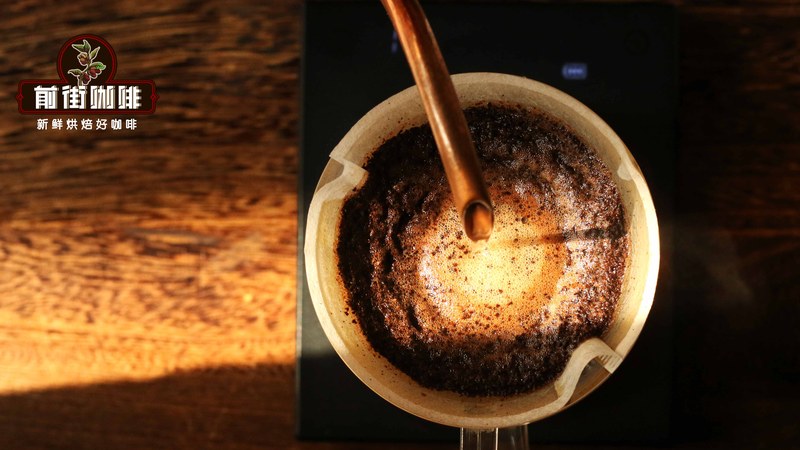
Once you have these beans, if you do not make cold brew, you can also experience their hot-brew style through pour-over. Taking Qianjie Mozart as an example, prepare 90-degree hot water, use 15g of grounds with a 1:15 coffee-to-water ratio, that is 225ml of water. First pour in 30ml of water to bloom for 30 seconds, then pour in stages while slowly circling, letting the water flow steadily through the coffee bed, with the total time controlled at around 2 minutes to finish; the whole cup of hot coffee is likewise full of aroma.
Switching to the cold brew method is even more casual and free. For homemade preparation, a 1:12 coffee-to-water ratio is recommended; take 50g of coffee grounds ground to the coarseness of fine granulated sugar and put them into a cold brew pot with a filter or an ordinary sealed glass bottle. Then slowly pour in 600ml of room-temperature drinking water, making sure the surface completely saturates the coffee grounds. Gently shake to mix evenly, then tightly close the lid and place it directly in the refrigerator's cold storage compartment to slowly extract and steep for 8 hours.
After the time is up, take out the fully steeped cold brew liquid and filter it again with filter paper to remove tiny grounds; this is the key to making the mouthfeel pure and clear. After filtering, do not rush to drink it; tightly close the bottle cap and put it back in the refrigerator to continue chilling for more than 3 hours. This secondary hydrolysis stage allows the various flavor molecules to fully integrate, the acidity becomes softer, and the sweetness is especially elevated, so it tastes clearly layered and extremely sweet.
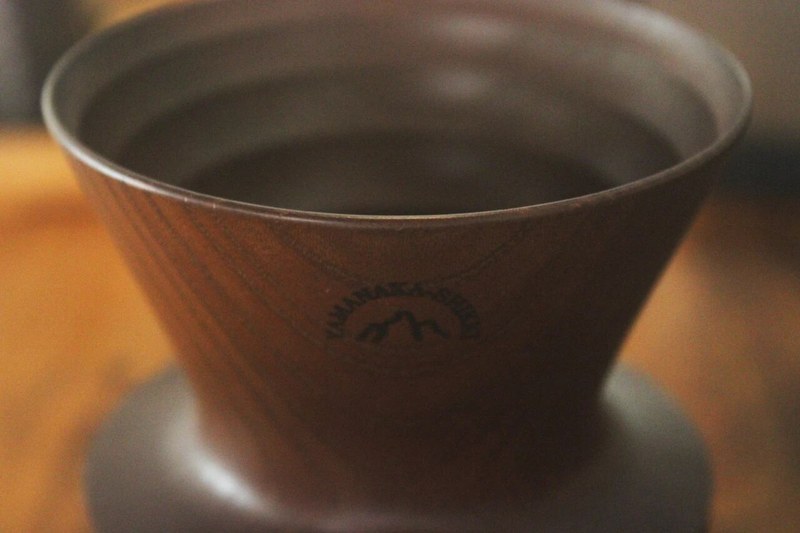
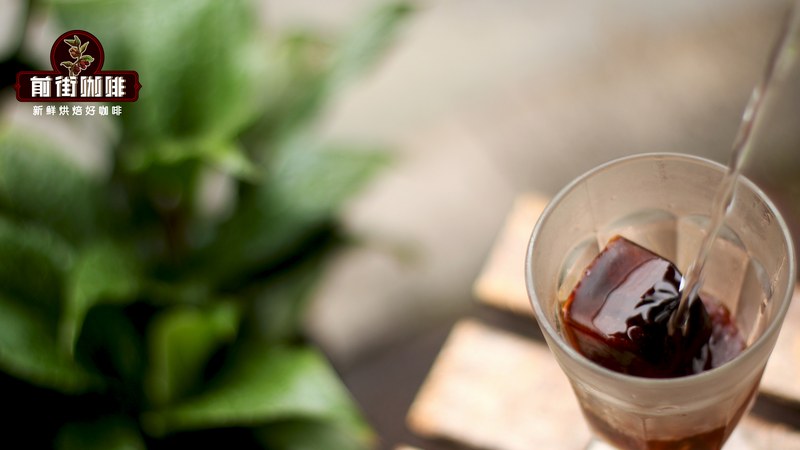
Take a cup of thoroughly chilled cold brew out of the refrigerator, pour it into a glass filled with large ice cubes, and take a deep breath; it is all rushing floral and fruity fragrance. Whether you want the bright fruit tea of Africa, the rich fruit juice of Central and South America, or the warm malt of Asia, as long as you choose beans in accordance with the natural terroir, no complicated techniques are needed, and you can easily harvest a whole summer of comfort and sweet moisture in your own kitchen.
Related Reading

Comments (0)
Loading comments...
You May Be Interested




Trending Reviews
Popular Videos

With you, wherever you are! We provide useful features to help you find new things you'll love






