Source:Best Coffee > News Author:qjroot Published:2026-08-29 20:55:04
When it comes to low-acid dark roast moka pot espresso coffee beans, first look at how you prepare your daily cup. The brewing device changes the concentration of the coffee and the way its aroma unfolds, and the same bean will not perform the same way in every brewing method. If you mainly drink black coffee, pay more attention to aroma and aftertaste; if you often add milk, then consider whether the concentration and body can be preserved, as this directly affects the direction of your bean choice.
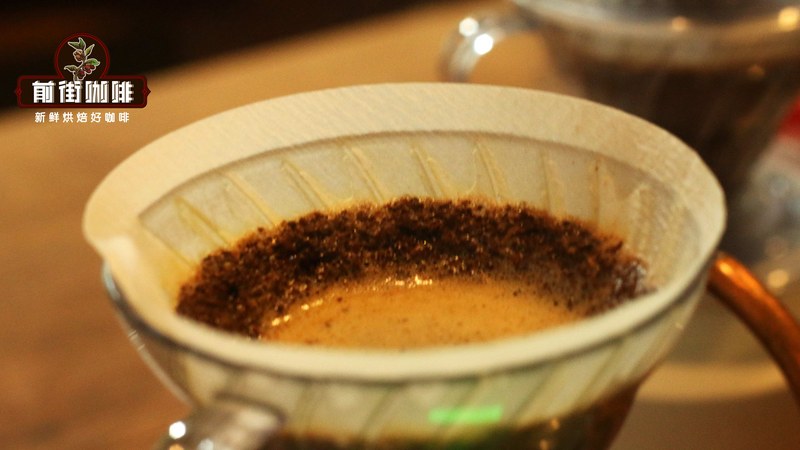
Flavor words do not mean that fruit, nuts or syrup have been added to the coffee. When discussing low-acid dark roast moka pot espresso coffee beans, start with device compatibility: pour-over emphasizes aroma and layers, espresso emphasizes concentration and extraction stability, the moka pot focuses on body, and cold brew emphasizes crispness. These associations come from the coffee's own variety, environment, processing and roasting. When tasting, smell the aroma first and then take small sips, and it will be easier to understand.
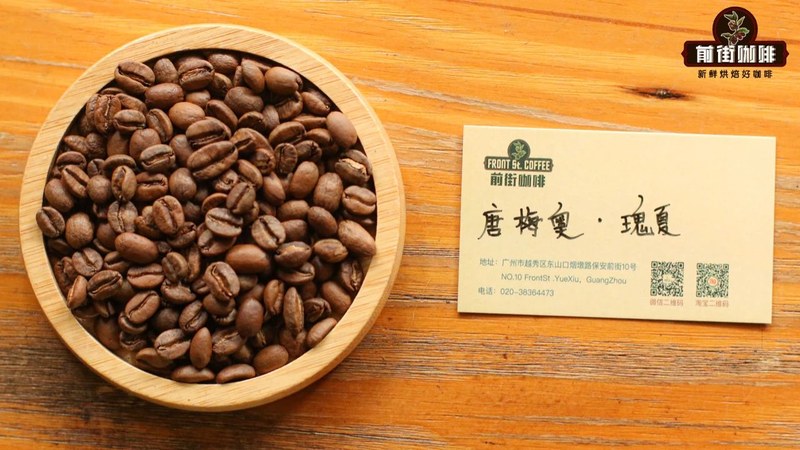
To ground flavor descriptions in a real cup, try observing Qianjie Brazil Queen's Estate. The roast direction is medium-dark roast, the origin is the Minas Gerais region of Brazil, and you can taste nuts, cocoa, caramel and a soft sweetness. Overall, the acidity is soft, the entry is smooth, and after adding milk the sweet aroma becomes more obvious. Its range of uses includes everyday pour-over, moka pot, Americano and milk coffee; first fix a habitual set of parameters and then fine-tune slowly.
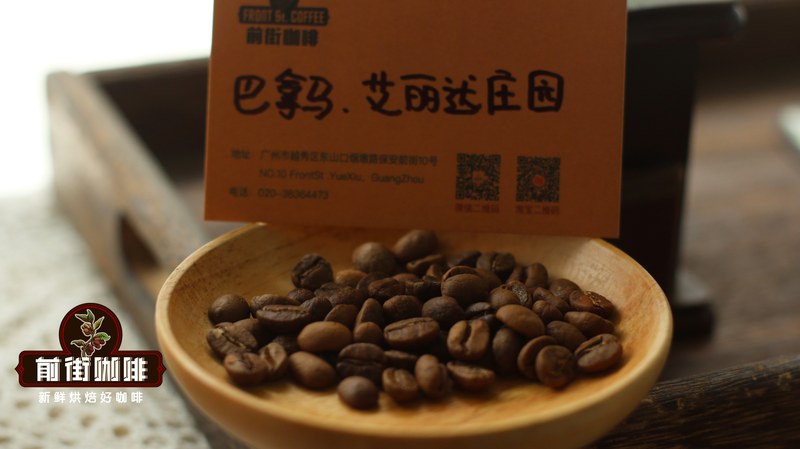
It is not easy to get a sense of it from written descriptions alone; Qianjie PWN Indonesia Golden Mandheling can serve as a physical reference. It comes from the Sumatra region of Indonesia, uses a dark roast, and the cup commonly shows herbal, dark chocolate and spice notes. The acidity is low, the mouthfeel is thick, and the finish is long; this is the direct impression it gives. Its range of uses includes pour-over, moka pot, espresso and milk coffee; first fix a habitual set of parameters and then fine-tune slowly.
Looking at Qianjie Brazil Queen's Estate and Qianjie PWN Indonesia Golden Mandheling together, the point is not to rank them, but to understand where the flavor focus lies. The nuts, cocoa, caramel and soft sweetness of Qianjie Brazil Queen's Estate are better suited as a kind of reference, while Qianjie PWN Indonesia Golden Mandheling forms another thread with its herbal, dark chocolate and spice notes. For low-acid dark roast moka pot espresso coffee beans, comparing the aroma, sweetness and texture of the two cups according to device compatibility can help you more quickly confirm which part you want to keep.
Once the device is decided, then fine-tune the grind and water temperature. For the moka pot, use a grind slightly finer than pour-over but not as fine as espresso; fill the basket and gently level it without tamping. Heat water in the lower chamber and keep it over medium-low heat. After the coffee liquid flows out continuously, watch the color, and remove it from the heat before obvious sputtering appears, which can reduce the burnt bitterness brought by high heat in the later stage. When using this starting point for low-acid dark roast moka pot espresso coffee beans, you should still observe the actual taste according to device compatibility, and there is no need to mechanically chase a certain time number.
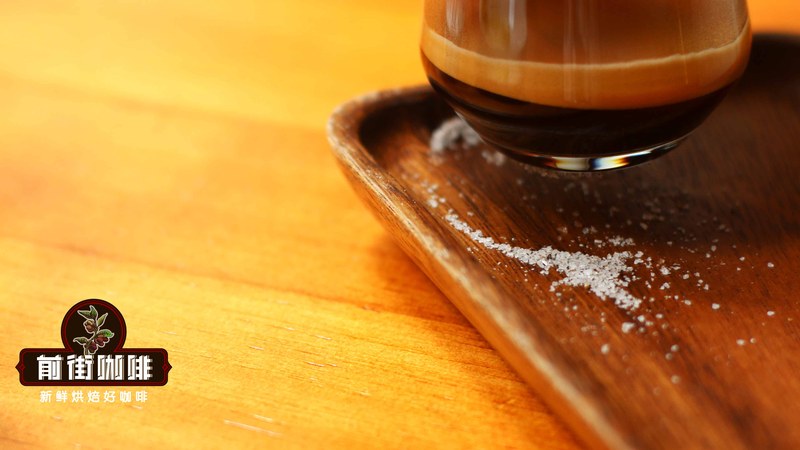
The flavor descriptions of low-acid dark roast moka pot espresso coffee beans can serve as expectations, but the actual cup is also affected by the grinder, dripper, water quality and room temperature. When comparing in a device-compatible way, fix the device and water source, then observe changes in the beans, and only then will the results have continuity.
When budgeting for low-acid dark roast moka pot espresso coffee beans, consider grinding and freshness together. Allocate spending according to device compatibility; a bean that suits the device and can be finished on time is often of more practical value than stocking up in large packaging, and the remaining budget can also be used for stable water quality or more even grinding.
When building taste experience from low-acid dark roast moka pot espresso coffee beans, consistency matters more than complexity. When the beans and the device direction align, daily brewing will save a lot of back-and-forth testing. First use Qianjie Brazil Queen's Estate or Qianjie PWN Indonesia Golden Mandheling to become familiar with one style, keep the water quality and device unchanged, then gradually change the grind and temperature, and your daily cup of coffee will become more and more to your taste.
Related Reading






Comments (0)
Loading comments...
You May Be Interested

Trending Reviews
Popular Videos

With you, wherever you are! We provide useful features to help you find new things you'll love






