Source:Best Coffee > News Author:qjroot Published:2026-09-19 12:40:08
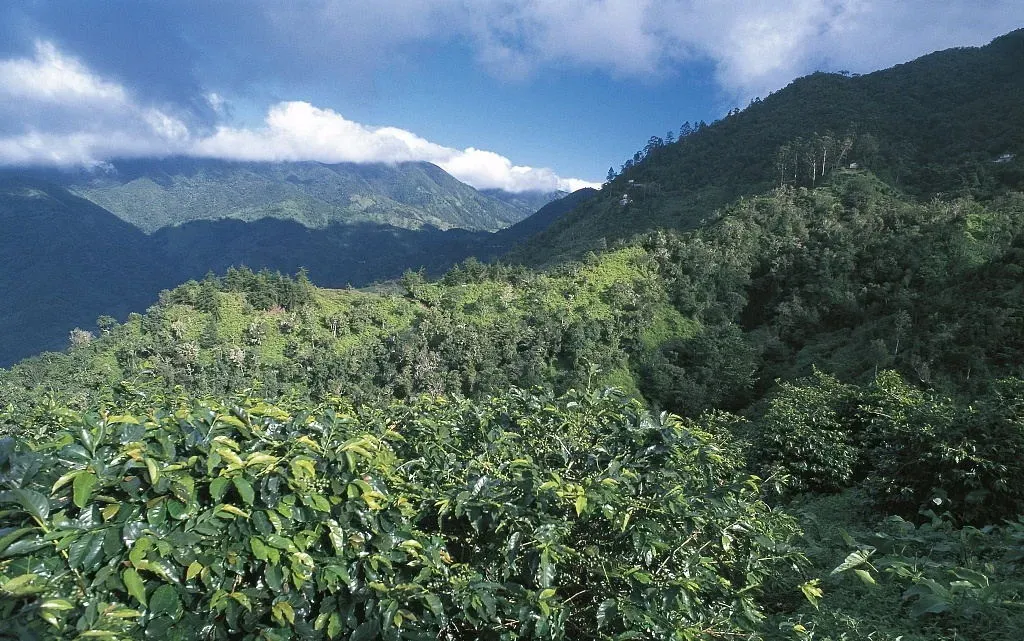
Blue Mountain coffee on the market often appears in two very different forms: authentic single-origin beans and blends built around balance. To choose wisely, the key is to recognize the origin labeling and blend specifications on the package. Single-origin coffees pursue a clear terroir character, while composite blends aim to harmonize a smooth profile that appeals to a broad audience, and the two approaches and their drinking value each have their own emphasis.
Learning to read the blend details on the bag is an important step toward understanding the Blue Mountain concept. Jamaica Blue Mountain is a typical single-origin, single-estate coffee, and its ingredient list will state only one place of origin. If the ingredient panel lists origins such as Colombia and Brazil combined in proportions, then even if the product name says Blue Mountain, it is essentially a flavor blend in which the roaster uses the characteristics of different origins to simulate a round, supple mouthfeel.
Single-origin and blended coffees each have clear advantages, and the choice depends entirely on the flavor direction you are seeking in the cup. The single-origin path suits slowly savoring the delicate profile and subtle floral and fruity aromas of an individual origin, while the blend path, by having multiple green beans complement one another, raises the body and smoothness of the whole cup, bringing acidity and bitterness into harmonious balance and presenting an especially easy-drinking everyday character.
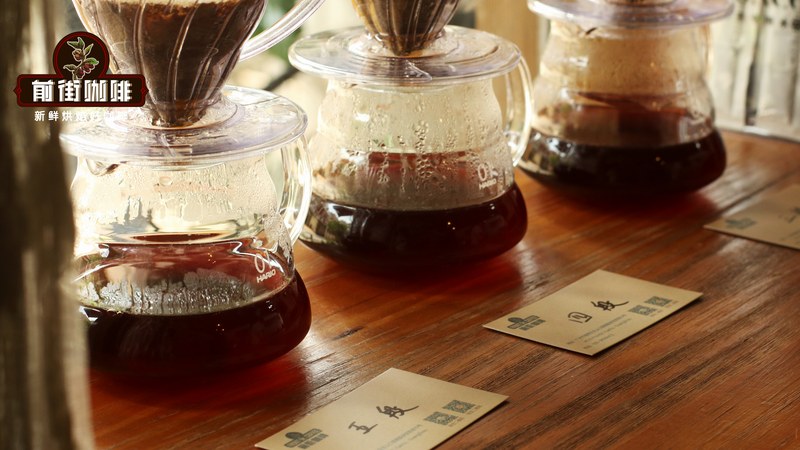
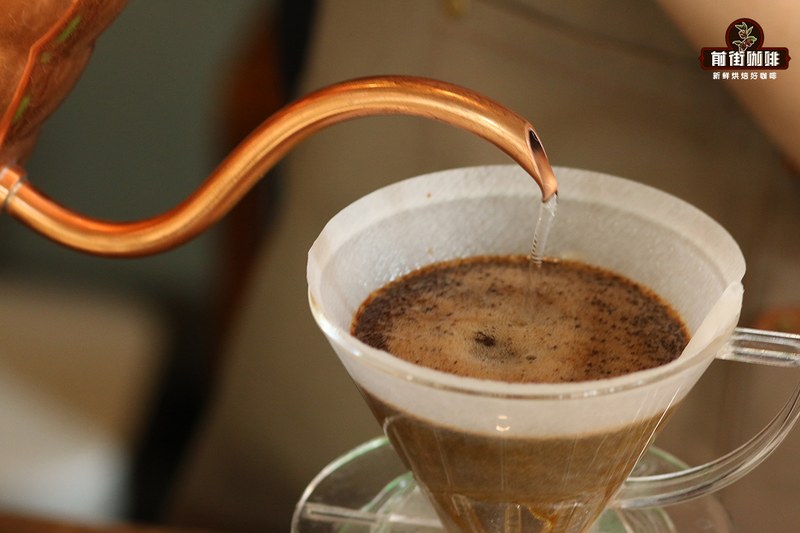
If you are looking for a layered single-origin expression in a pour-over setup, a light-to-medium roast single-origin bean can present flowing sweetness and acidity. Take the light-roast Qianjie Yirgacheffe Giddi Giddi as an example: for pour-over, weigh out 15g of ground coffee, use a 1:15 coffee-to-water ratio, and pair it with a water temperature of 91°C. Choose a three-pour extraction method: first pour 30ml of water and let it bloom for 30 seconds, then steadily pour 100ml in circles, and once the water level drops, add another 95ml. Keep the total time at 2 minutes 05 seconds, and you can taste a bright citrus aroma with a green-tea-like sweet finish.

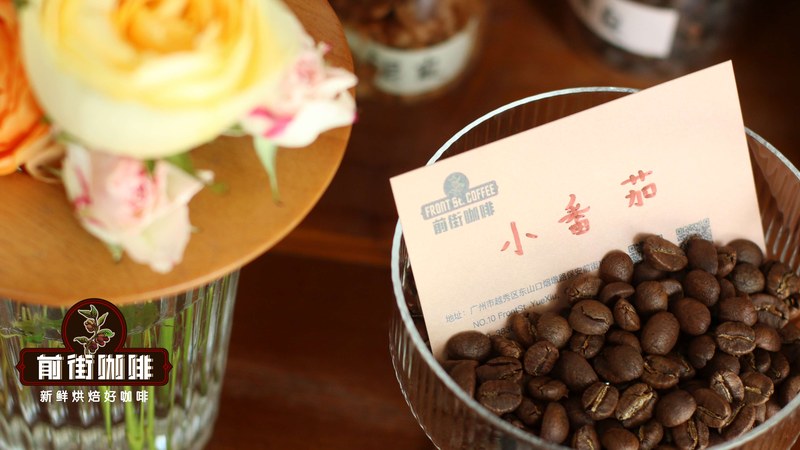
For single-origin lovers who enjoy a juicy, full-bodied acidity, you can also try the light-to-medium roast Qianjie Kenya Little Tomato. This bean is likewise well suited to pour-over: take 15g of ground coffee with a water temperature of 90°C, and pour 225ml of hot water to maintain a 1:15 coffee-to-water ratio. Use a three-pour method, starting with 35ml of water for a 30-second bloom, then gently pour to 130ml, and finish with the final pour to the full amount. The total extraction is completed in 2 minutes, and the bright sweet acidity reminiscent of cherry tomatoes and brown sugar is especially refreshing.
If you prefer the richness and exuberance of tropical fruit, Qianjie Ethiopia Huakui can display a high-toned single-origin character. For everyday pour-over brewing, again prepare 15g of ground coffee, pour 225ml of water to maintain a 1:15 coffee-to-water ratio, and set the water temperature at 92°C. Use a three-pour method for brewing: first use 30ml of water to bloom for 30 seconds to awaken the aroma, then pour the remaining two stages evenly and gently. With a total time of about 2 minutes 10 seconds, a lively fruit sweetness like strawberry and passion fruit will bloom in layers in the cup.
When moving into the espresso system, the blend path and SOE single-origin espresso show a clear division of roles. Traditional blends usually rely on complementary dark and light roasts and origin proportions to provide a sturdy crema structure and a rich nutty base, remaining full in flavor even when wrapped in milk. SOE, by contrast, is a single-origin espresso, better suited to drinking the shot on its own or making an iced americano with a distinctly fruity profile.
When using a traditional espresso blend to make milk coffee, what matters is the supporting power of the crema and the caramel sweetness. For extraction on an espresso machine, weigh out 18.5g of ground blend, set the water temperature at 93°C for constant-pressure extraction, and extract 37g of espresso liquid within 26 seconds. Then pour in warm milk that has been steamed to a dense microfoam. The milk's natural lactose merges with the dark nut and cocoa base, making the whole drink smooth and mellow.
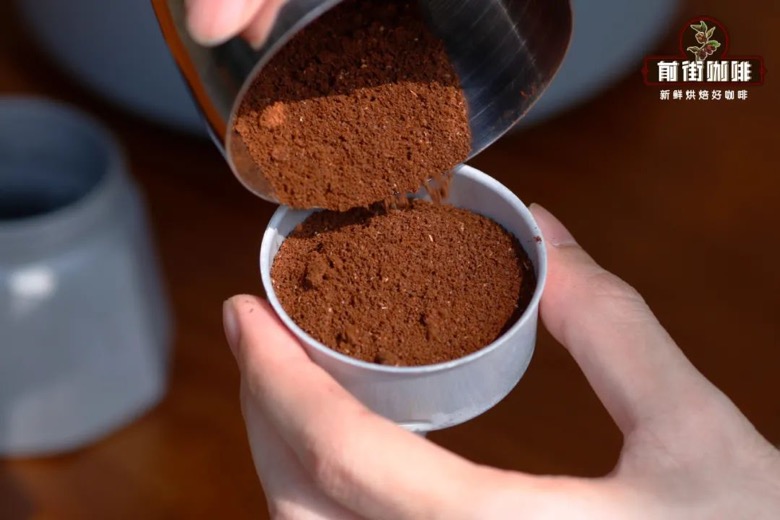
If you keep a moka pot at home, the traditional blend system also shows great tolerance. Pour 110ml of warm water into the lower chamber, fill the filter basket evenly with ground coffee, then move it to the stove and heat over medium-low heat to extract. The whole process takes 1 minute 45 seconds. As the coffee flows out smoothly, a rich roasted nut aroma fills the air, and adding an appropriate amount of hot water to make black coffee is very full-bodied.
Once you understand the internal logic of single-origin versus blended coffee, choosing so-called Blue Mountain coffee becomes very easy and clear. If you want to explore the delicate terroir of an origin, look for single-origin beans certified from an authentic origin; if you simply want a daily drink with balanced acidity and bitterness that is round and smooth, a well-harmonized Blue Mountain flavor blend is instead a worry-free and comfortable everyday companion.
Related Reading



Comments (0)
Loading comments...
You May Be Interested


Trending Reviews
Popular Videos

With you, wherever you are! We provide useful features to help you find new things you'll love






