Source:Best Coffee > News Author:qjroot Published:2024-07-11 18:07:34
Recently, media outlets in many parts of the world have reported that many countries around the globe have experienced hot, scorching weather after entering summer. According to the Global Seasonal Climate Update (GSCU), sea surface temperatures are generally above normal in all regions except the eastern Pacific near the equator, and this situation will persist.
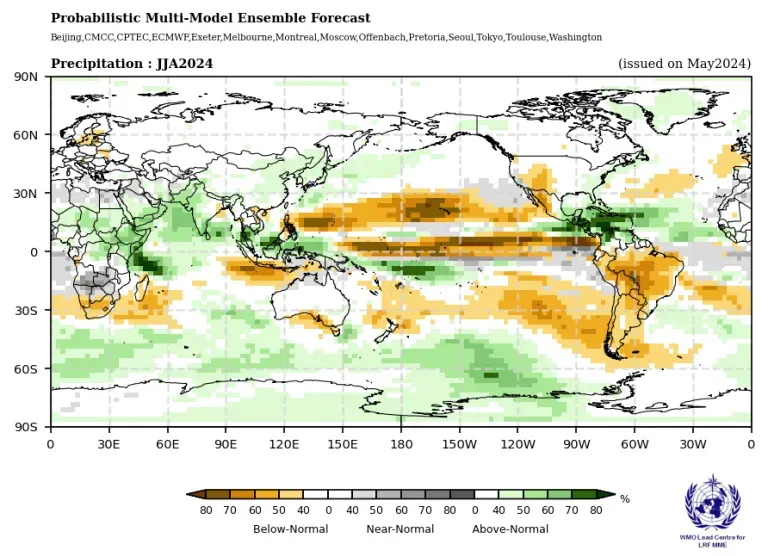
As a result, temperatures in almost all land areas will be above normal, so the heat is affecting the agricultural industries of many regions around the world, including the coffee industry.
In Asia, Vietnam has already reported its worst drought in nearly a decade this year, dealing a heavy blow to the coffee-growing industry, causing damage to coffee trees that is difficult to repair and severely reducing yields. Even though some coffee farmers are trying every means to stabilize production, both the international market and Vietnam's domestic market remain pessimistic about the forecast harvest for the next quarter, and believe that international coffee prices will continue to rise.
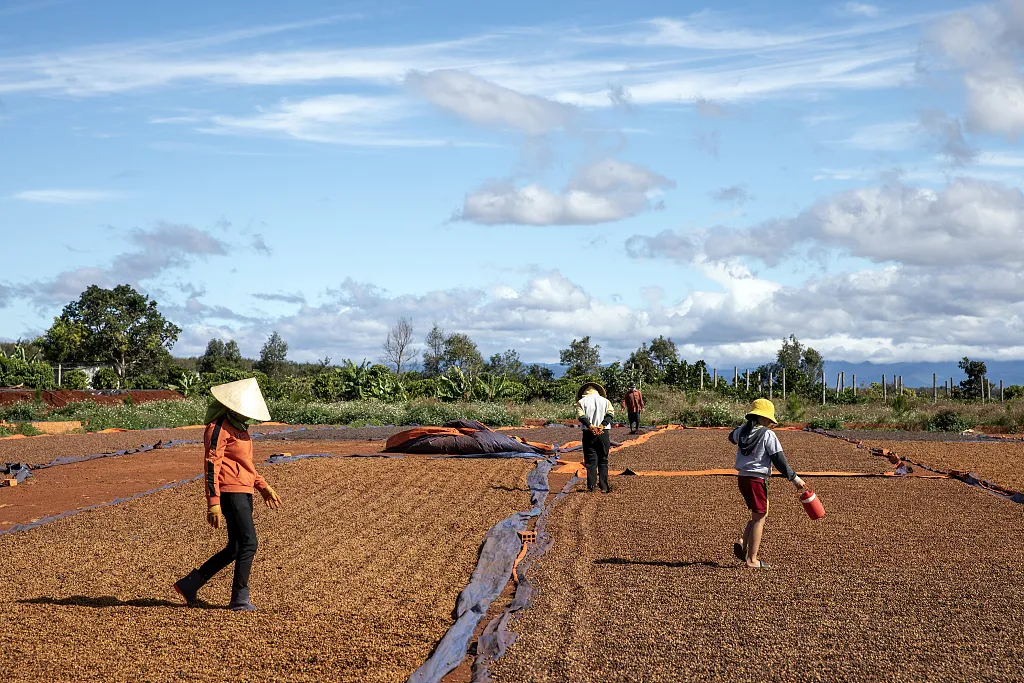
According to local weather reports in Vietnam, rainfall began in Vietnam's coffee-producing regions in May, but rainfall through June remained below the historical average, and temperatures across the country were higher than usual.
In addition, according to data from Vietnam's General Department of Customs, due to reduced production and increased domestic coffee consumption in Vietnam, Vietnam exported a total of 1,170,033 bags of coffee (60 kg/bag) in June 2024, a decrease of 11.5% compared with the export volume in May this year, far below the government's forecast of 1.42 million bags, and according to Vietnam's Ministry of Agriculture and Rural Development, coffee bean stocks in Vietnam's domestic market are currently almost zero.

As for Indonesia, since the country hasbeen suffering from a series of natural disasters such as floods, landslides and volcanic eruptions this year, although the weather has now improved somewhat, coffee-producing areas are still affected by the 2023 drought, and recovery has been slow. Output has rebounded slightly, but domestic consumption has increased, reducing the volume available for export.
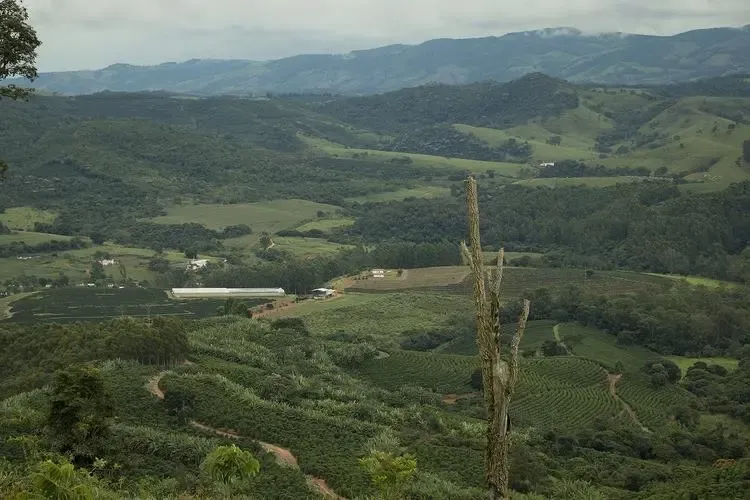
In the Americas, Brazil, the world's largest coffee producer and exporter, has likewise been affected by high temperatures and drought, causing coffee output to fall short of expectations and resulting in smaller-than-usual beans. Local coffee institutions therefore say that some coffee estates have actual output less than 30% of market expectations, so Brazil's coffee output may be 10-15% lower than expected.
In addition, Mexico, another country in the Americas, has also reported severe drought conditions and insufficient rainfall. According to local media reports, about 80% of Mexico's coffee-growing area has been affected, and output for the 2024/25 season is expected to fall by as much as 50%.
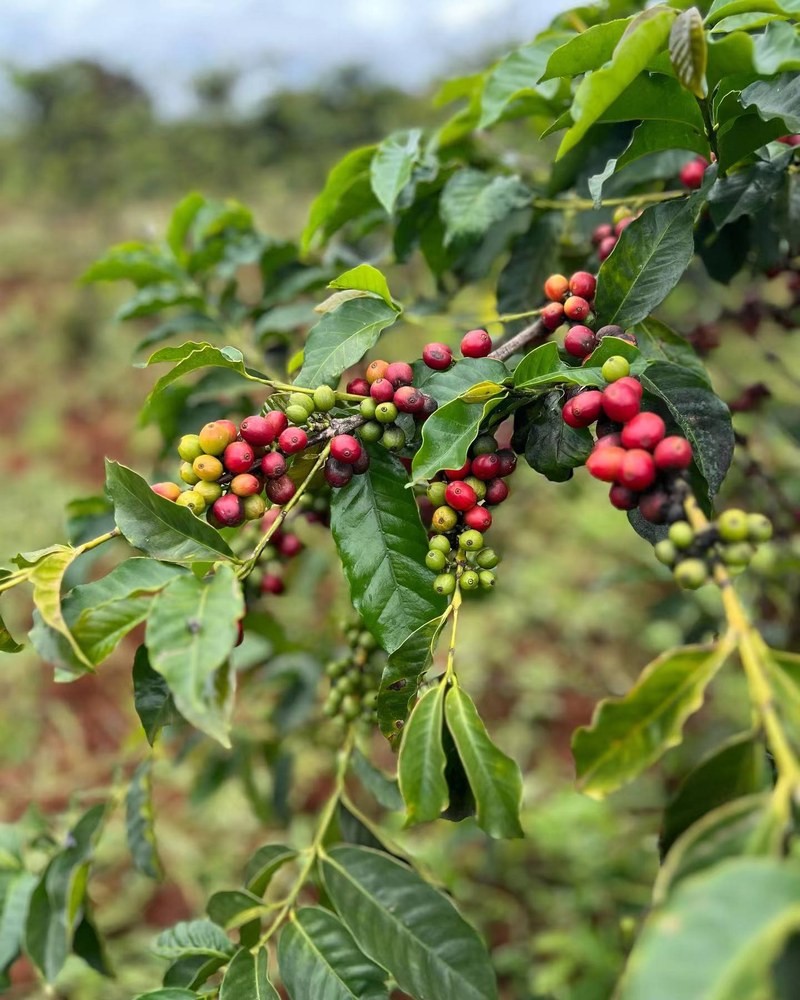
In Chiapas, Mexico's main growing state, both Arabica and Robusta are cultivated, but the current drought is damaging production of both types of coffee. Mexico is now in its coffee cherry growing season, but due to the lack of rain and the drought, the cherries have not grown significantly, which may affect output in the next crop season.

However, there is good news from Colombia. According to data from the National Federation of Coffee Growers of Colombia (FNC), Colombia's coffee production in June 2024 totaled 1.17 million bags, up 23% compared with the same period last year and up 4.6% compared with May of the same year. In addition, in the first half of this year, Colombia's coffee bean production reached 5.82 million bags, a year-on-year increase of 16%, setting the best record in 3 years.
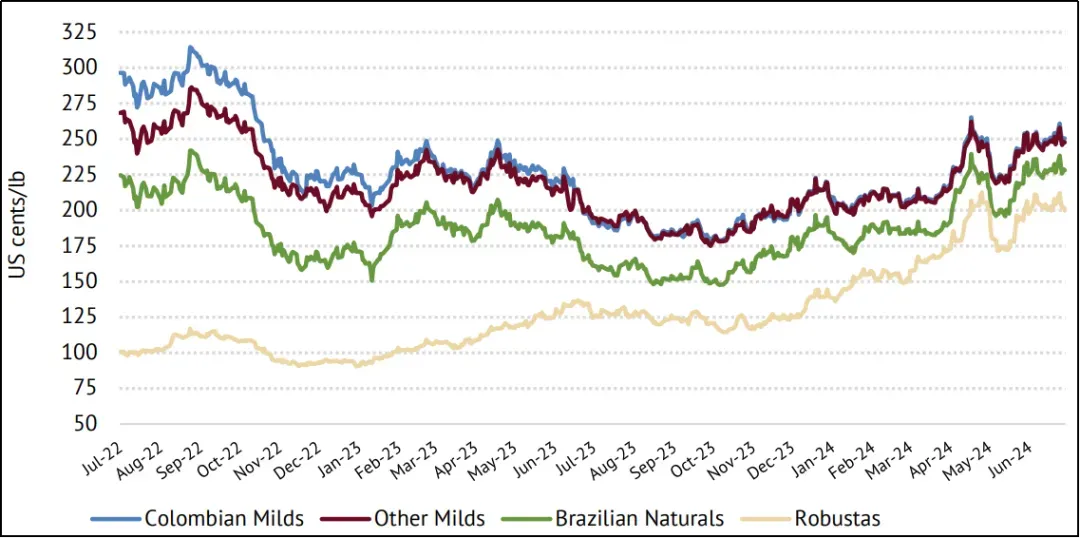
Although Colombia's coffee production was reported to have increased, coffee prices rose again because other major coffee-producing countries all reported lower output. Recently, the monthly average price index of the International Coffee Organization ICO composite coffee price for 6 months was 226.83 US cents/lb, up 8.9% compared with 5 months, and spot prices for all categories of coffee rose to varying degrees. It also believes that the coming La Nina weather may intensify weather changes, and prices will still rise.
Related Reading






Comments (0)
Loading comments...
You May Be Interested




Trending Reviews
Popular Videos

With you, wherever you are! We provide useful features to help you find new things you'll love






