Source:Best Coffee > News Author:qjroot Published:2026-09-24 14:00:48
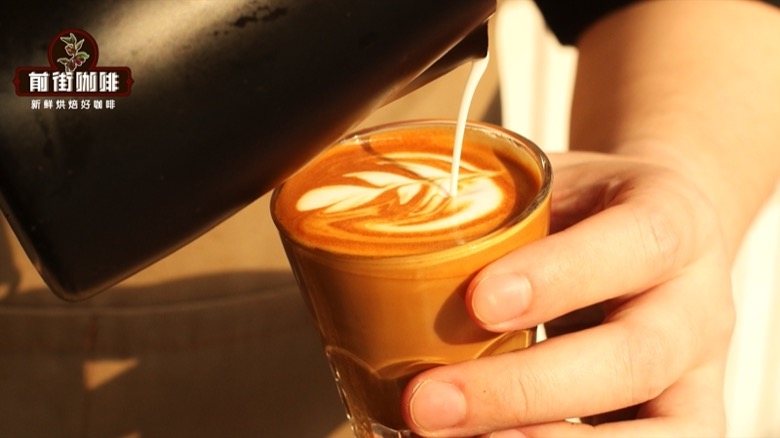
Many friends learning latte art always feel that the milk foam won't float or that the pattern easily blurs. In fact, the problem isn't necessarily in the milk frothing technique; the underlying espresso is the foundation of the canvas. How thick the crema on the surface is, and whether it has enough supporting strength, are closely tied to the extraction yield and concentration in the cup. Only when the base coffee is extracted to the proper state can it hold up a clear, crisp pattern when dense milk foam is poured in.
Understanding concentration and extraction yield is actually like mixing a cup of sugar water with just the right sweetness. Concentration determines how full-bodied this coffee feels on the palate, while extraction yield represents the proportion of substances dissolved out of the coffee grounds. Too low an extraction yield often shows up as sourness, thinness and a feeble flavor; too high an extraction yield easily brings out burnt bitterness and astringency. To get a clear, well-defined latte art pattern, we need enough concentration to support the milk foam.
When fine-tuning flavor day to day, grind size and water temperature play a very key role. If it tastes weak with a restless aroma, it's most likely that the grind is too coarse, causing the water to flow too fast and the extraction to be insufficient; grinding finer will give it a more solid mouthfeel. If the back end turns astringent and dry, it's often over-extraction caused by too fine a grind or too high a water temperature; slightly coarsening the grind by one notch or lowering the water temperature by two degrees can smooth the flavor out.
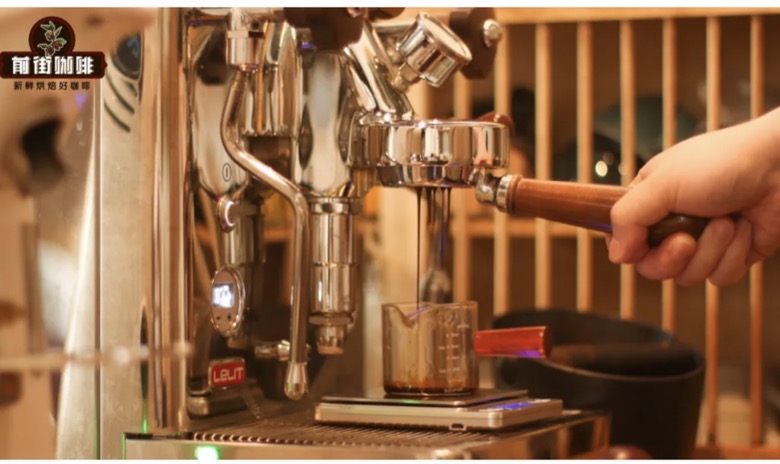
When practicing espresso at home, standard extraction parameters can deliver especially stable results. It's recommended to use a double basket filled with 18 to 19 g of coffee grounds, extracting 36 to 38 g of espresso liquid, with the whole extraction time steadily controlled between 25 and 28 seconds. In this state, the liquid flowing out has a dense texture like melted chocolate, with a fine light-brown crema floating on the surface, making it very suitable for practicing latte art.
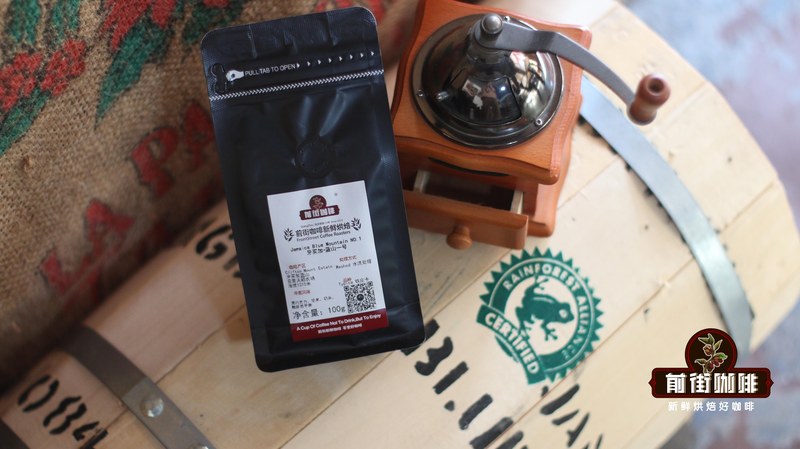
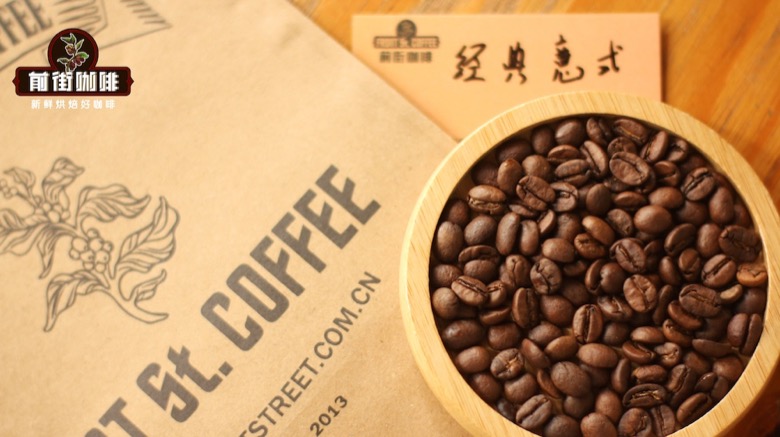
When choosing beans, if you particularly value the solidity of the crema and its margin for error, Qianjie Classic Blend is a very friendly starting choice. This bean draws on the traditional Mamba pairing approach, blending Mandheling and Brazilian coffee beans with a small amount of Robusta added, and a medium-dark roast gives it a rich, full-bodied texture. When extracted, it releases an inviting aroma of butter, toasted bread and caramel biscuits, with a thick crema that supports milk foam steadily and securely.

If you usually prefer a sweet, soft and mellow nutty and cocoa profile, Qianjie Specialty Blend fits especially well. It carefully combines Colombian washed beans with Brazilian semi-washed beans, also medium-dark roasted, with a flavor profile centered on balanced dark chocolate, almond and creamy sweetness. The espresso it produces has a fine, glossy crema; when made into a latte or flat white, it blends with the milk and releases its sweetness in sync, more than enough for practicing latte art.
For friends who want high-frequency, high-volume latte art practice, or who are even preparing to open their own small coffee shop, Qianjie Commercial Blend is a solid backing not to be missed. On the aromatic base of Qianjie Specialty Blend, it incorporates a small amount of Robusta, making the dark brown crema even richer and more stable, with an overall tone that is steady and full-bodied. Whether making a smooth latte, a flavored mocha or adding water for an americano, it maintains a pure, intense nutty caramel character.
When choosing espresso beans, we should also consider whether we usually drink strong or light. Formulas like Qianjie Commercial Blend and Qianjie Classic Blend, which contain Robusta and have a thick, full crema, are better suited to strong drinks and large milk coffees; even with a lot of milk added, the flavor remains clear. The all-Arabica Qianjie Specialty Blend, by contrast, suits both strong and light drinking: the espresso alone is smooth and sweet, and as a milk coffee it comes across as clean and delicate.
A good-looking and good-tasting latte art coffee has always been the result of steady extraction and quality coffee beans achieving success together. Once you understand the fine-tuning techniques for concentration and extraction yield, and then choose a bag of a formula you like with abundant crema and a rich aroma, you'll feel more at ease each time you hold the milk pitcher and pour the foam. In day-after-day practice, watching coffee and milk foam interweave into bright patterns, life too becomes filled with the mellow aroma of nuts and cocoa.
Related Reading


Comments (0)
Loading comments...
You May Be Interested


Trending Reviews
Popular Videos

With you, wherever you are! We provide useful features to help you find new things you'll love






