Source:Best Coffee > News Author:qjroot Published:2026-09-16 02:06:43
Choosing an affordable Ethiopian coffee bean is only the starting point; the key to bringing out the alluring aroma in the cup lies in how you guide it through water temperature and pouring. Many light-roasted beans bursting with floral and fruity notes easily lose their delicate quality if the parameters are set incorrectly. By carefully fine-tuning the coffee-to-water ratio and extraction time, even an inexpensive everyday bean can reveal rich layers.
For beans with a light-roast profile, appropriately raising the water temperature can effectively awaken the floral compounds inside, but too high a temperature will bring out a dry, astringent finish. When setting up the brewing framework, you can first anchor the water temperature at a middle position, then control the order of aroma release by adjusting the number of pouring stages. This method of using variables to check one another lets you directly perceive how the fruity acidity unfolds.
Following this line of thinking, Qianjie Kafa Forest is a single-origin suited for practicing parameter adjustment. Its aroma profile is clear, opening with a fresh orange acidity, followed closely by a sweet, mellow ripe apricot note, and as the liquid cools slightly it lingers with the long finish of oolong tea. To fully express its delicate mouthfeel, we need a pour-over recipe that balances aroma and sweetness.
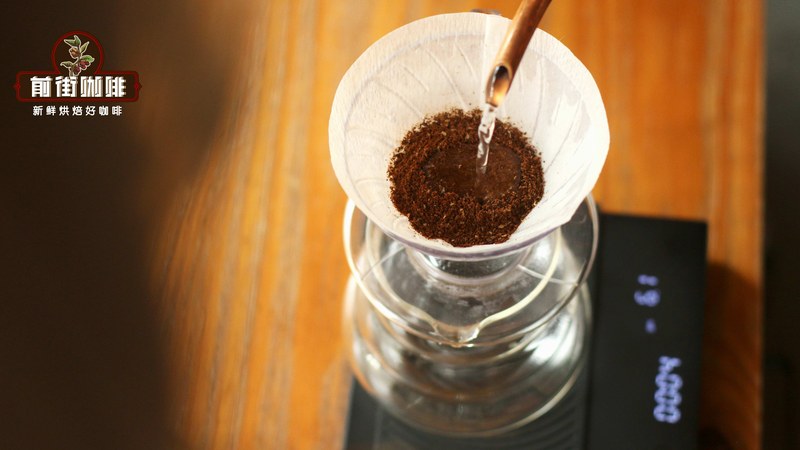
In practice, prepare 15g of coffee grounds, set the water temperature at 91°C, and prepare 225ml of hot water at a 1:15 ratio. Use a three-stage pouring method: first pour 30ml and let it bloom for 30 seconds, then slowly pour 100ml in circles, and once the water level drops by half pour in the remaining 95ml, keeping the total time to 2 minutes 10 seconds. This rhythm makes the tea-like quality more transparent.
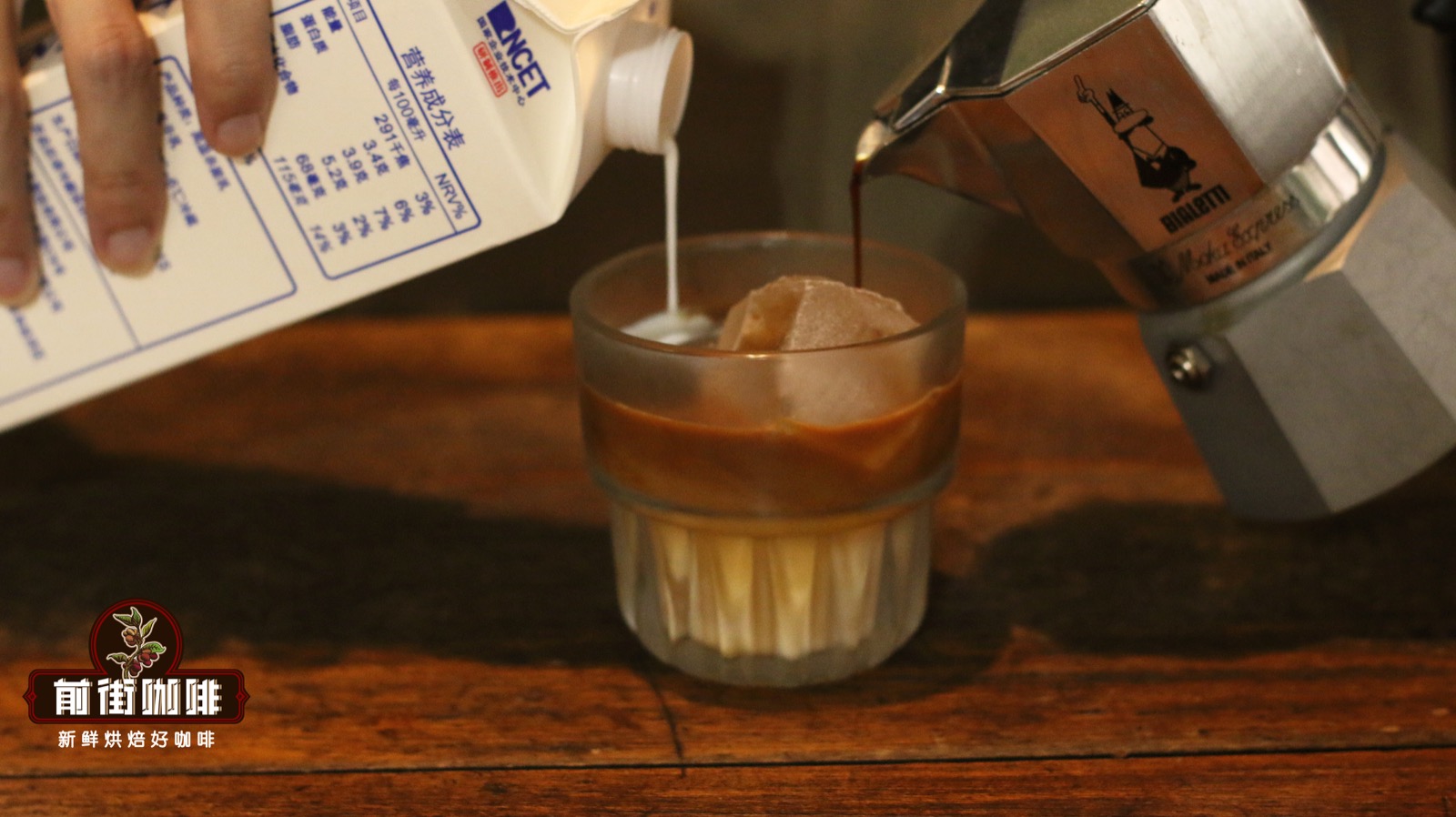
If you want a refreshing sensation on a hot afternoon, changing the brewing format is a clever approach. Ice pour-over, through rapid cooling, locks the fruity aroma into the liquid instantly, making the acidity livelier. This requires us to redistribute the coffee-to-water ratio, using ice cubes to replace part of the hot water, ensuring that after the coffee liquid meets the melting ice it still maintains a solid concentration and clear aroma.

At this point you might try Qianjie Colombia Sidra; this bean is like the juice of mixed tropical fruits, with the tart aroma of passion fruit and the bold, blueberry-like sweetness of the pulp. Put 90g of ice cubes into the lower pot in advance, take 16g of grounds, set the water temperature at 92°C, and prepare only 150ml of hot water. Complete the pour in two stages, with a total time of 1 minute 50 seconds; the rapid cooling fully amplifies the fruity aroma.
If you want good coffee quickly in the morning, the Clever Cup with its immersion function is an efficient choice. The immersion method lets the coffee grounds contact the hot water for a long time, greatly enhancing overall sweetness. Compared with pour-over, which requires precise water control, this method is more forgiving to beginners; as long as you master the water temperature and immersion time, you can easily extract the fruity notes from light-roasted beans steadily.
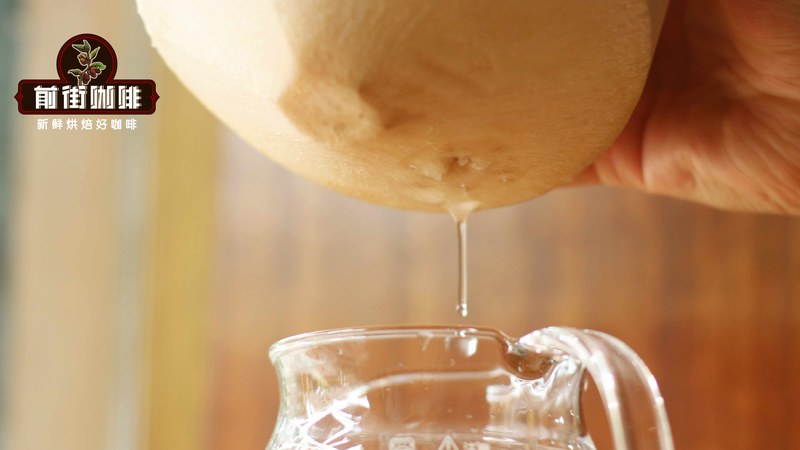
Continuing with Sidra as the example, when using the Clever Cup add 18g of coarser-ground coffee, with the water temperature set at 90°C. Use a single-stage, single-pour operation: quickly pour in 270ml of hot water and stir lightly. Let it steep until 2 minutes 30 seconds, then place it on a sharing pot to filter out the liquid, for a total time of about 3 minutes 15 seconds. This makes the grape-juice-like fruity acidity exceptionally soft and smooth.
For beans with complex flavor layers, the parameters need to be set even more carefully. Over-stirring or a water temperature that is too low can both prevent the aroma from fully opening up, leaving the liquid in the cup dull. Only by giving sufficient extraction conditions, combined with a steady, continuous stream, can those delicate floral notes and deep jammy aromas be released layer upon layer.
Qianjie Grana Estate Geisha is exactly the kind of single-origin that needs to be treated with care; its natural-process character is pronounced, carrying a striking orange-blossom fragrance and a sweet-tart guava note. To capture the details, use 15g of grounds, raise the water temperature to 92°C, and prepare 240ml of hot water. Use a single-stage, single-pour technique, circling with an extremely fine stream after the bloom, for a total time of 2 minutes 20 seconds, fully presenting a thick, strawberry-jam-like body.
Brewing coffee beans is itself a dynamic process full of exploratory fun. Even with the same bag of freshly roasted beans, as long as you make a tiny change in the thickness of the pouring stream, the water temperature, or the coffee-to-water ratio, it will give you a completely different flavor feedback in the cup. By constantly recording the changes in numbers, you will work out an equation that fits your palate perfectly.
Related Reading




Comments (0)
Loading comments...
You May Be Interested



Trending Reviews
Popular Videos

With you, wherever you are! We provide useful features to help you find new things you'll love






