Source:Best Coffee > News Author:qjroot Published:2026-09-19 12:47:25
The core of a latte is the fusion of the coffee base and milk. A moka pot can extract a highly concentrated coffee liquid through steam pressure, making it very suitable for making milk coffee at home. The key step that determines the style direction of this cup of latte lies in the choice of coffee bean route. When facing single-origin beans and blend beans, understanding their flavor characteristics after combining with milk allows you to easily find the cup that suits your taste preferences.
The original design intention of blend beans is to pursue balance and fusion of flavors. Roasters usually select beans from two to three origins, each responsible for providing a rich chocolate finish, caramel sweetness, or soft nutty tone. By understanding the blend ratio on the packaging, you can predict the style of the entire bean: the base bean with a higher proportion determines the overall direction, while the component with a smaller proportion is responsible for modifying the edges and supplementing the aroma layers.
Qianjie Classic Blend is a very typical comprehensive bean, integrating the rich feel of nuts, cocoa, and caramel into one, providing thick and solid support for milk coffee. When extracting with a moka pot, use a one-stage single pour of 90°C hot water 90ml in the lower chamber, fill the filter basket evenly with 14g coffee grounds, and heat over medium-low heat for 1 minute 40 seconds until liquid comes out. Mix the resulting concentrated liquid with 180ml warm milk. The entry is full of the rich mellow aroma of nuts and chocolate, overall rounded with a long finish.
Compared with the mild stability of blend beans, single-origin beans made into single-origin espresso follow a completely different route. Single-origin beans only use batches from the same estate or origin, preserving distinct terroir personality. When using single-origin beans to make moka pot latte, milk no longer merely wraps cocoa flavor, but instead fuses with the bean's own fruit aroma, floral aroma, or sweetness, bringing a more lively and rich layering, suitable for friends who like to explore origin flavors.
When selecting single-origin beans to make a milk coffee base, medium-roast batches with soft acidity and prominent sweetness perform especially steadily. Qianjie Brazil Queen Estate carries delicate nut, cocoa, and caramel aromas, and its own fruit acidity is very soft. After fusing with milk fat, it is not abrupt at all; instead, it makes the milk's own sweetness stand out more clearly. If you occasionally want to switch to pour-over black coffee for slow sipping, this bean can also show a clean and gentle texture.

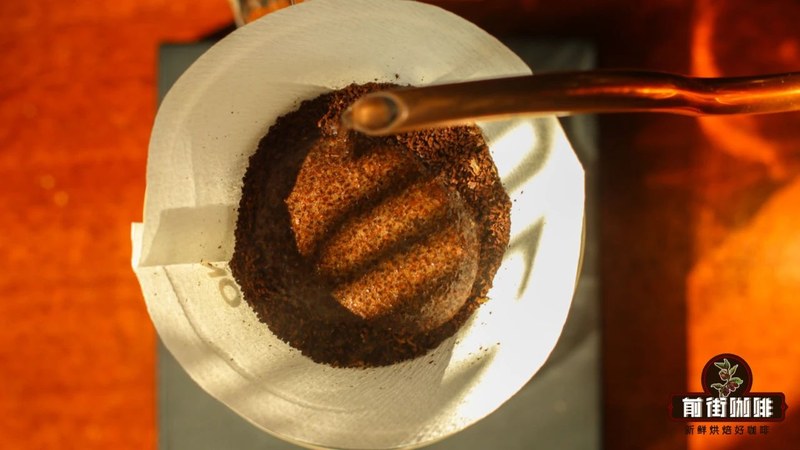
If you want to use pour-over to experience this estate bean's origin charm, you can use 15g coffee grounds with 88°C water temperature, extracted at a 1:15 coffee-to-water ratio. After grinding, pour the grounds into the dripper and level them, use 30ml water for a 30-second bloom, then pour in three stages in a steady circular motion up to 225ml, with the total time controlled at 2 minutes 05 seconds. The extracted coffee liquid is delicate and gentle, with clear caramel sweetness and roasted hazelnut aroma spreading layer by layer in the mouth.
If you prefer a deep interwoven sense of bitterness and sweetness, dark-roast single-origin beans can also bring surprises. Qianjie PWN Indonesia Golden Mandheling is a representative among them, with flavors leaning toward herbal freshness, black chocolate texture, and a rich mellow wine-like finish. Dark roasting gives it lower acidity. Under the high-temperature extraction of a moka pot, it can fully bring out the herbal aroma, making it very suitable for lovers of rich-style milk coffee.
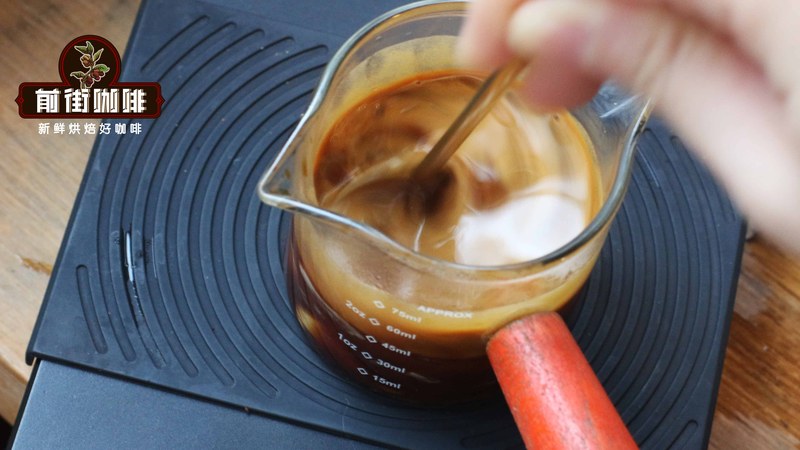
When producing Golden Mandheling milk coffee with a moka pot, a lower water temperature can be used to reduce the burnt bitterness. In operation, use a one-stage single pour in the lower chamber with 85°C hot water 95ml, fill the filter basket with 15g coffee grounds, and heat over medium-low heat for 1 minute 50 seconds to extract the concentrated coffee liquid. While hot, pour the coffee liquid into 200ml hot milk. The deep tone of herbs and chocolate is brightened by milk fat, and the mouthfeel is silky smooth and full.
Understanding the blend ratio on the bean bag can also help everyone choose precisely according to drinking method. If Brazil or Colombia accounts for more than half of the formula, this bag of beans often has firm nutty flavor and soft acidity, suitable for all kinds of milk; if a higher proportion of Ethiopian natural beans is added to the formula, it means more prominent citrus tone and lively fruit acidity, and when made into a small-volume milk coffee it will appear light and bright.
After understanding the balanced inclusiveness of blend beans and the origin character of single-origin beans, daily bean selection becomes clear and natural. On weekday mornings, when pursuing a stable, reliable, refreshing and rich latte, casually scoop in a spoonful of blend beans with solid flavor; on a leisurely weekend afternoon, switch to distinctive single-origin estate beans, and in the bubbling sound of the moka pot slowly enjoy a cup of layered, individual milk coffee. Choose the right direction and you can easily enjoy every cup.
Related Reading


Comments (0)
Loading comments...
You May Be Interested




Trending Reviews
Popular Videos

With you, wherever you are! We provide useful features to help you find new things you'll love






