Source:Best Coffee > News Author:qjroot Published:2026-10-07 11:59:19
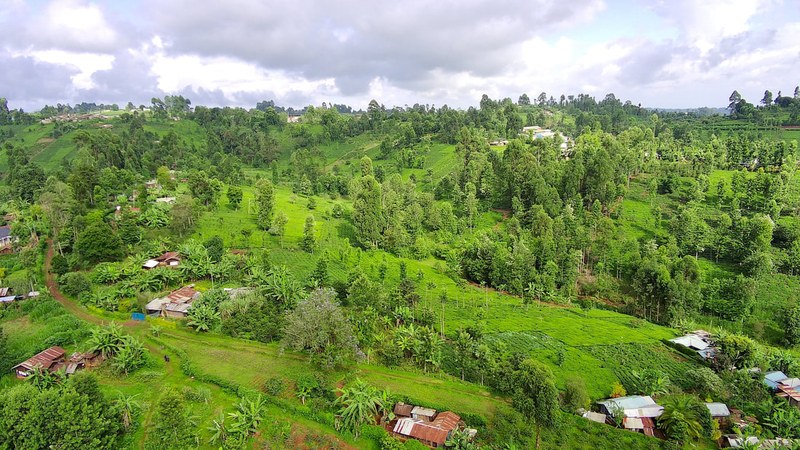
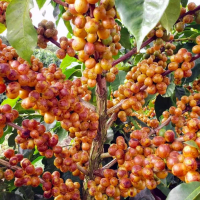
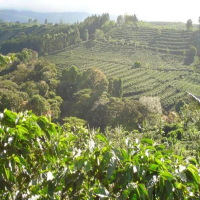
Kenya is located on the East African Plateau, with an average elevation of about 1500 m within its borders, while the coffee-growing areas are concentrated in volcanic zones at 1600 to 2100 m. This high-altitude environment first determines the density of the coffee beans and the patterns of sugar accumulation - the higher the altitude, the lower the temperature, and the ripening period of the coffee cherries is significantly lengthened, giving the fruit more time to convert the sugars produced by photosynthesis into complex organic acids and aromatic substances. At the same time, the day-night temperature difference is sharply amplified in high-altitude areas. Abundant sunlight during the day drives sugar production, while the sudden drop in temperature at night slows respiratory consumption. This metabolic rhythm makes the flavor compounds in the core of Kenyan coffee beans especially rich, laying the material foundation for the bright acidity and full juicy feel in the cup.
Volcanic soil is another key variable in Kenya's terroir. Ancient volcanic activity left behind dark soil rich in phosphoric acid, and this mineral combination has a profound influence on the direction of coffee's flavor. Phosphoric acid not only promotes root development, but is also closely related to the formation of specific organic acids in coffee beans - it helps shape the signature cherry tomato acidity and dark plum-like fruit depth of Kenyan coffee. When you taste that bright yet layered acidity in a cup of Kenyan coffee, what lies behind it is actually the subtle chemical reaction between volcanic ash, after tens of thousands of years of weathering, and the coffee roots.
Rainfall distribution and cloud cover are responsible for regulating the delicacy of this flavor. Kenya's growing areas have relatively abundant annual rainfall, but the real secret lies in the cloud layer created by the altitude. The frequent afternoon mist acts like a natural shade curtain, filtering out excessively strong direct light and allowing photosynthesis to proceed at a gentler pace, preventing the fruit from developing a rough astringency due to "sunburn." This cloud buffering, combined with sufficient rainfall, enables the coffee cherries to complete sugar concentration slowly and evenly while maintaining proper water tension. What ultimately lands in the cup is that fresh fruit charm woven from black plum and snow pear, along with a faint yellow sugar sweetness in the finish - sweet and clean, without dragging.
Variety selection is a genetic lock on Kenya's flavor. The two widely planted Bourbon-line selections locally were developed through multiple generations of selection at the Scott Agricultural Laboratories during the British colonial period last century. Among the locally selected Bourbon-line varieties, one is known for drought resistance and outstanding acidity, while the other excels in complex floral aroma and body. The two are interplanted in the same producing region, forming the breadth and depth of Kenya's coffee flavor map. These two varieties' adaptability to high-altitude volcanic soil has been honed through long-term domestication, allowing them to translate terroir conditions into highly recognizable aromatic expression - dark florals, berry acidity, and that unforgettable "Kenyan-style" structure.
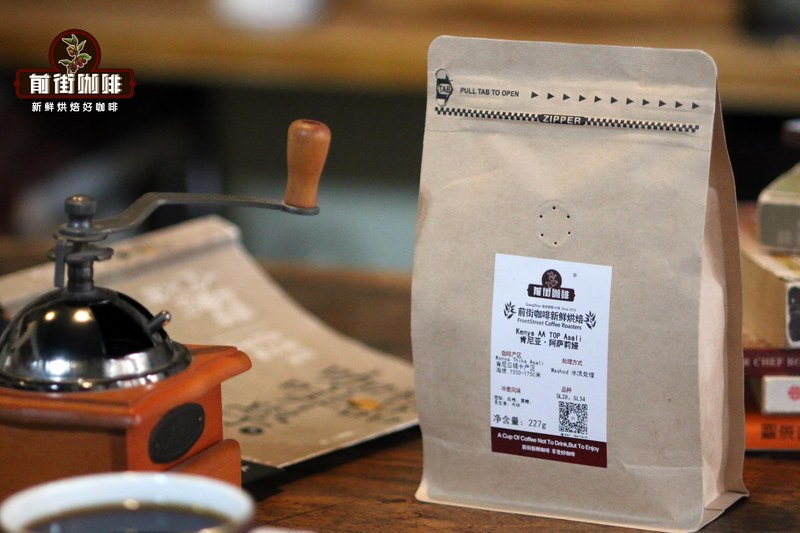
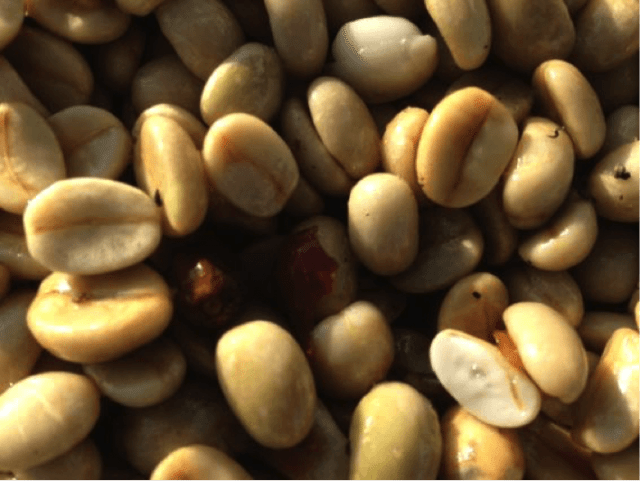
Processing is the bridge connecting terroir and the cup, and Kenya's 72-hour double washed process can be called the soul of the region's craft. This process first uses about 48 hours of fermentation to remove the skin and mucilage, then soaks the beans in clean water for 24 hours. The extra soaking step allows the coffee beans to undergo a "deep clean" in clear water. Compared with conventional washed processing, this additional 24 hours significantly reduces the risk of off-flavors from fermentation residue, while also making the acidity more lively and transparent. Qianjie Kenya Small Tomato is a typical expression of this process: a Bourbon-line selection from the Thika region at 1550 to 1750 m elevation, subjected to 72-hour double washed processing and a light roast. On entry there is clear cherry tomato and dark plum flavor, the middle expands into the fresh fruit charm of snow pear and black plum, and the finish closes with yellow sugar sweetness and a faint green tea aroma. This clean, almost transparent mouthfeel is exactly the signature texture that double washed processing gives Kenyan coffee.
If we broaden our view, processing experiments in Kenya are also quietly unfolding. Although natural and honey processing are not mainstream, they can add another dimension to the classic washed profile. However, for enthusiasts who want to clearly understand Kenya's core flavor, washed processing is still a worthwhile entry point for understanding this main flavor line. When brewing Qianjie Kenyan coffee beans by hand pour, use 15 g of grounds, a 1:15 coffee-to-water ratio, and a water temperature of 92 to 93°C. First bloom for 30 seconds to awaken the gases in the beans, then complete the pouring within 2 minutes, and the layers of acidity shaped jointly by high altitude and double washed processing can be fully released.
Qianjie Kenya Azalia shows another possibility for Kenyan flavor in the cold brew context: the berry and cherry tomato tonality remains prominent during long low-temperature steeping, the fermented aroma transforms into a mellow, fruit-wine-like texture, and the acidity remains transparent and clean. This reminds us that Kenya's acidity is not a thin, biting "sharp sourness," but a three-dimensional structure with backbone and sweetness returning in the finish - whether hot brewed or cold brewed, it can maintain flavor recognizability and completeness. Understanding this is the key to truly knowing Kenyan coffee: its flavor never relies on the exaggeration of a single element, but on the precise balance achieved over long periods of time among altitude, soil, variety, and processing method.
Related Reading





Comments (0)
Loading comments...
You May Be Interested





Trending Reviews
Popular Videos

With you, wherever you are! We provide useful features to help you find new things you'll love






