Source:Best Coffee > News Author:qjroot Published:2024-12-11 18:42:28
According to media reports, although robusta coffee futures fell recently, concerns over a global coffee shortage intensified, driving coffee futures prices to a record high. On December 10, the closing price of the US C coffee futures, the industry price benchmark for coffee beans, was 334.03 cents/lb.
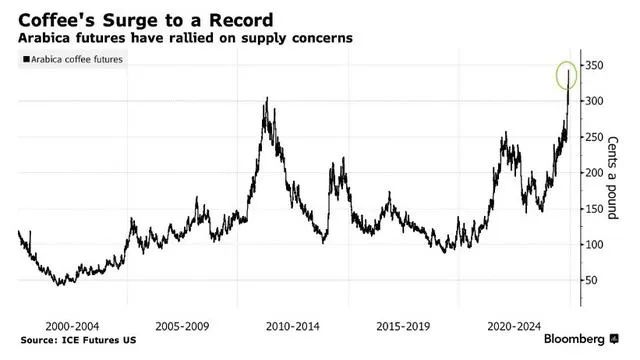
This year, as crop yields in major coffee-growing countries were hit, the futures price of the New York arabica coffee variety rose by more than 4%, breaking the highest figure since records began in 1970 and setting a historic high of 3.43 US dollars per pound, with the price rising 80% in total during the year.
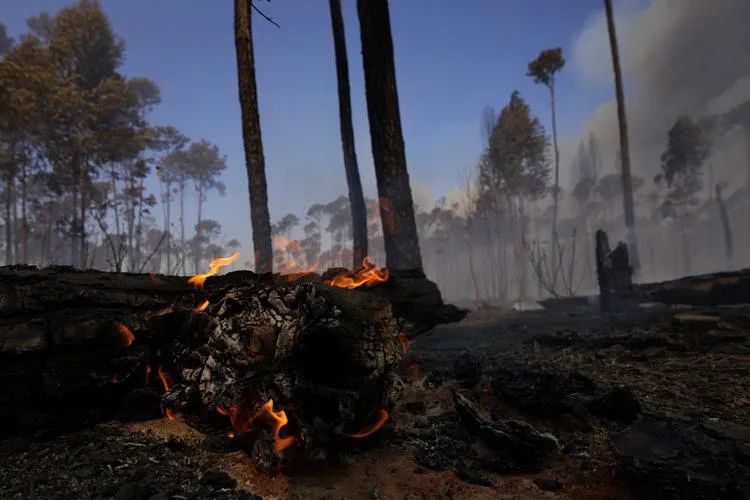
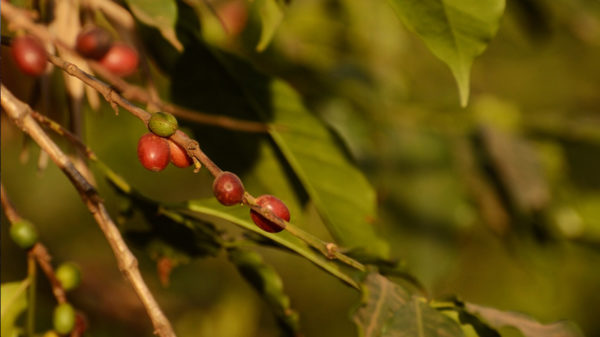
The main reason is that Brazil suffered its worst drought in nearly 70 years, causing severe water shortages in several major coffee-growing regions, which made coffee flower buds wither prematurely and significantly affected yields.At the same time, under drought and high-temperature conditions fires broke out frequently in many South American countries, and Brazil was severely affected; from January to September this year alone, more than 22.38 million hectares of forest land in Brazil were burned by fires, among which many coffee plantations and sugarcane plantations were badly hit.
Even when the rainy season arrived later in October, the return of rainfall could hardly make up for the damage the drought had done to Brazil's coffee plantations, and the rainfall was unstable, which made the market increasingly worried about future coffee supply.In addition, Central America was hit by tropical storms, bringing torrential rain, floods and landslides, which damaged local roads, power facilities and other infrastructure, and caused leaf drop and fruit drop in coffee-growing areas, affecting coffee supply.
Volcafe, one of the world's largest arabica and robusta coffee traders, provides coffee beans for 80 billion cups of coffee every year. In response to the current situation, Volcafe recently lowered its forecast for Brazil's arabica coffee production, expecting Brazil's arabica coffee output to be 34.4 million bags (60 kg/bag), a figure 11 million bags lower than its September estimate.
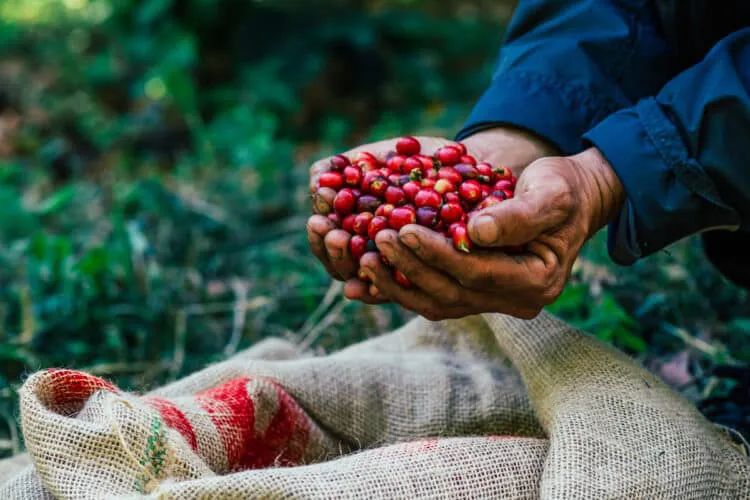
In addition, the market is also concerned about Vietnam's Robusta coffee production. According to a recent forecast for Vietnam's industry released by the United States Department of Agriculture, due to drought during the key growing period of coffee cultivation and heavy rain at the start of the harvest period, 2023/24 coffee production is forecast at 27.5 million bags, while 2024/25 is expected to reach 20.1 million bags, both lower than the earlier forecasts made in June.
Although some coffee-producing countries have recently reported rising production, the market believes this cannot make up for the lost production in countries such as Brazil and Vietnam. In response, Volcafe also forecasts that global coffee production in 2025/2026 will see a shortfall of 8.5 million bags, which it considers an unprecedented fifth consecutive year of deficit.
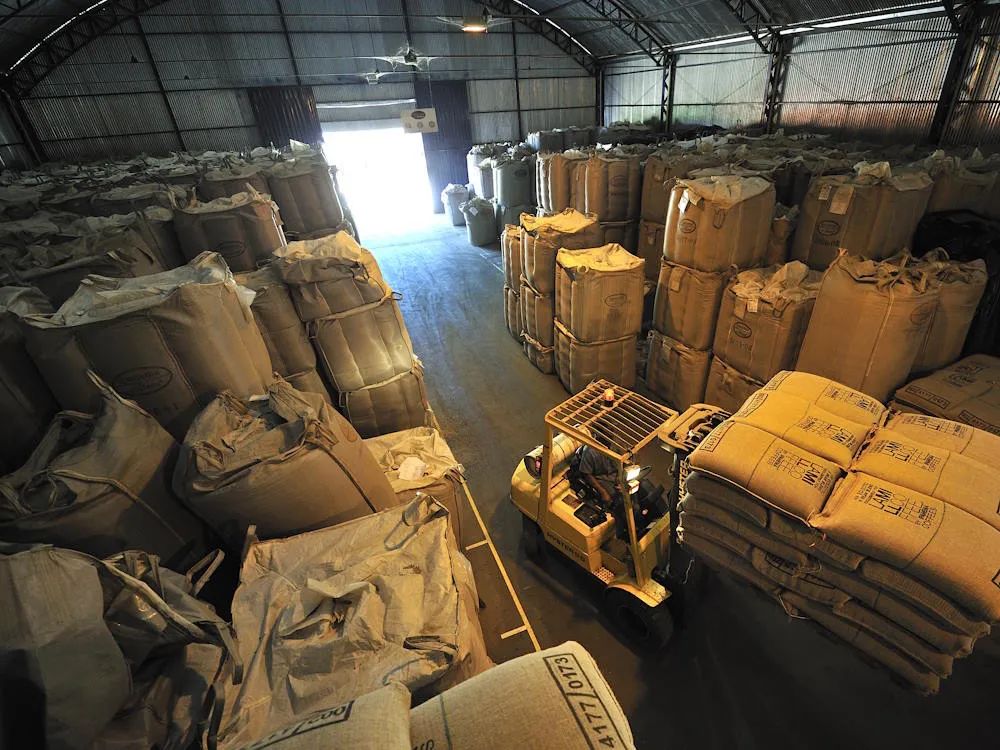
In addition, poor coffee harvests in several countries, along with growth in the global coffee consumption market, have reduced global coffee inventories, and factors such as geopolitics, rising shipping costs and short-squeeze speculation at the commodity trading level have pushed coffee prices higher.
According to a research assistant from Sucden Financial, the coffee futures market is currently going through a very strong fundamental phase, which is expected to keep coffee prices at a relatively high level. This further raises costs for traders and importers, and is ultimately passed on to consumers.
To learn more about coffee origins, please scan the QR code to follow: Kaping
Long-press the QR code to follow:

Related Reading




Comments (0)
Loading comments...
You May Be Interested



Trending Reviews
2024-08-17
Popular Videos

With you, wherever you are! We provide useful features to help you find new things you'll love






