Source:Best Coffee > News Author:qjroot Published:2026-10-11 14:16:37
Whether I am opening my own shop or helping a friend look over a menu, the pour-over section is always the part that takes the most thought. When customers at a specialty coffee shop order pour-over, they often are not just after any cup, but want to understand through the cup the connection between origin, processing method and flavor. When a menu page is laid out clearly, ordering feels like flipping through a flavor map, and by reading along customers can find their own preference. My habit is to split the menu into two lines. One is by flavor direction, arranged from light and clean to rich and full. The other is by processing method, placing washed and natural side by side for comparison, where the differences between the same origin with different processing methods stand out especially clearly.
First, the flavor direction line. I usually keep one washed Ethiopian as the base among four beans, with bright acidity and a clean mouthfeel, giving customers new to pour-over a comfortable entry point. Qianjie Yirgacheffe Gudingding is a typical example of this role, with washed processing bringing clear citrus and floral notes, a green tea-like sweet finish in the tail, light and not heavy on the tongue. In the middle I place a natural Ethiopian, with fruit notes that are more outgoing and sweetness that is fuller. Qianjie Kafa Forest, a medium-light roasted natural bean, has prominent orange blossom, concentrated orange and apricot flavors, and in the aftertaste you can even catch a hint of creamy melon seed aroma. Further along, I can add a bean with high density and small screen size, rested a little longer before going on the shelf so the flavors open up more and the body rises by a notch. In this way, as customers drink along the line, they naturally know where their taste falls.
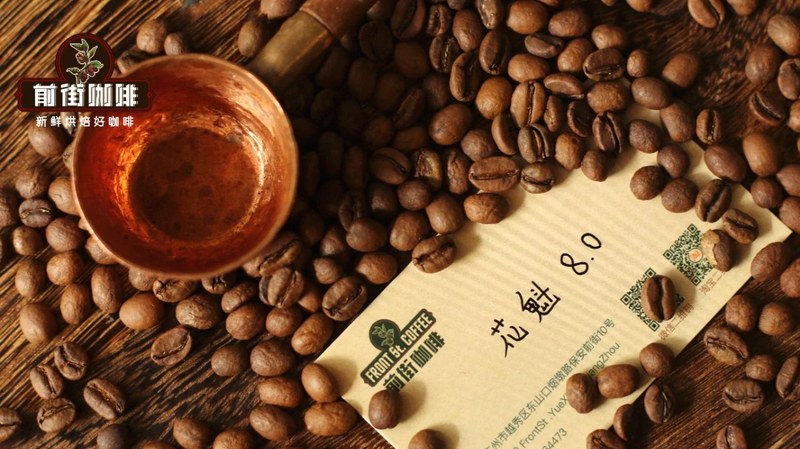
The processing method comparison line is better suited to the advanced tier. Placing washed and natural Ethiopian side by side makes the differences especially intuitive. Qianjie Yirgacheffe Gudingding washed is clean and transparent, with the floral and citrus notes in the front clearly separated. Qianjie Kafa Forest natural wraps the fruitiness around the whole palate, with berry and tropical fruit sweetness more concentrated. When customers taste the two side by side, it teaches them more about the impact of processing method on flavor than any written description. This arrangement also drives repeat purchases, as regulars bring friends to "take a class", and the menu itself becomes part of the experience.
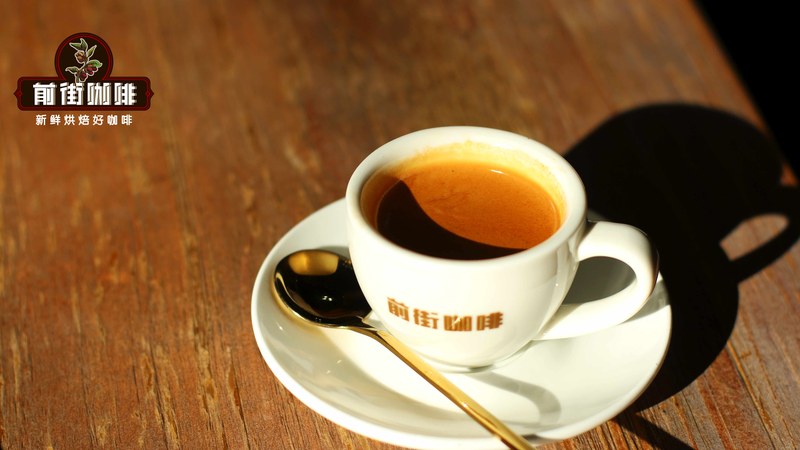
In the four-bean structure, I let the daily staple tier take one, the advanced tier two, and the high-end tier keep one as a signature. The daily staple tier handles volume and lowers the decision threshold, the advanced tier is the main body of the menu, and the high-end tier builds recognition so customers feel the shop has something worth exploring. I generally do not put blend beans in the pour-over section. Qianjie Black Cocoa Blend, a medium-dark roasted Arabica blend, has balanced creamy chocolate and cocoa cookie flavors, with golden-yellow crema, and is better placed on the espresso line as a base, using a double shot, 19 to 20 g dose to extract 38 to 40 g of coffee liquid, in 25 to 30 seconds, to ensure stable output every cup. SOE is the same. Qianjie Huakui SOE and Qianjie Granada Geisha SOE are both natural Ethiopian, medium roast. The former is clean and elegant with red berries and light florals, the latter is brighter and sweeter with yellow peach, apricot and citrus. These two I only use in the context of espresso, milk coffee or moka pot, and would not write them up for pour-over.
For pour-over extraction parameters I consistently use 15 g coffee, 1:15 coffee-to-water ratio, water temperature 90 to 93°C, 30 seconds bloom, total time about two minutes. Different beans are only fine-tuned on grind size and water temperature: denser beans are ground slightly coarser, and the water temperature can be raised to 92 to 93°C; for natural beans with heavy fermentation character, the water temperature is lowered slightly to avoid extracting off-flavors. With this parameter framework, bar staff train quickly and output fluctuates little.

Freshness and resting are the links I keep an eye on every time I help a friend look over a menu. Qianjie coffee beans are shipped fresh, roasted within 5 days on average; medium-dark roasted beans are rested five to seven days before going on the machine to adjust parameters, so the crema is smoother, and single-origin beans for pour-over are rested three to five days, for a cleaner taste. After opening, the flavor is better if consumed within one month, and this rhythm needs to match the purchasing cycle, to avoid beans being over-rested before they sell out, or being rushed onto the shelf before they are rested enough. For dense, small-screen beans I usually give two extra days, so the flavors open more completely and the layers customers taste are fuller.
The menu is updated seasonally, keeping it fresh and giving regulars a reason to come often. In spring and summer I tend to include more washed and light roasts, as the clean direction is well accepted by customers; in autumn and winter I can move natural and fuller-bodied beans forward. Each time the menu changes, I keep one "familiar face" from the previous season, and bring in three new beans, so old customers feel secure and are willing to try new things. The arrangement of a menu page is about helping customers choose. Too few choices feel monotonous, too many leave them not knowing where to start. Four beans, two lines, three tiers, is the structure that has worked smoothly in my experience.
Related Reading




Comments (0)
Loading comments...
You May Be Interested


Trending Reviews
Popular Videos

With you, wherever you are! We provide useful features to help you find new things you'll love






