Source:Best Coffee > News Author:qjroot Published:2026-09-18 17:14:21
In a cup of hot coffee held in your hands, more than ninety percent of it is water, and subtle differences in water quality directly affect how the flavor develops. When brewing coffee at home, many friends often focus their attention on grind size or technique, yet overlook the water in the kettle. Tap water usually contains more calcium and magnesium ions, and excessive minerals can easily suppress coffee's aroma while leaving a layer of off-flavors at the back of the tongue.
The water hardness and TDS values commonly discussed refer to the total amount of dissolved minerals in water. High-hardness water with relatively high minerals easily neutralizes the layers in coffee, making the flavor seem dull; while purified water with almost no minerals produces a clean taste but may have a thin body. Choosing lightly mineralized soft water with a TDS between 50 and 100 often better supports sweetness and body.
Once you understand the role of water quality, bean selection becomes clear. If you commonly use filtered soft water or low-mineral water at home, the water has a higher tolerance for coffee solubles, making medium-dark roasted blend beans with nutty and caramel notes especially suitable. These beans have a solid base, and with gentle water, even if your technique fluctuates occasionally, you can still serve a sweet and smooth cup of coffee.
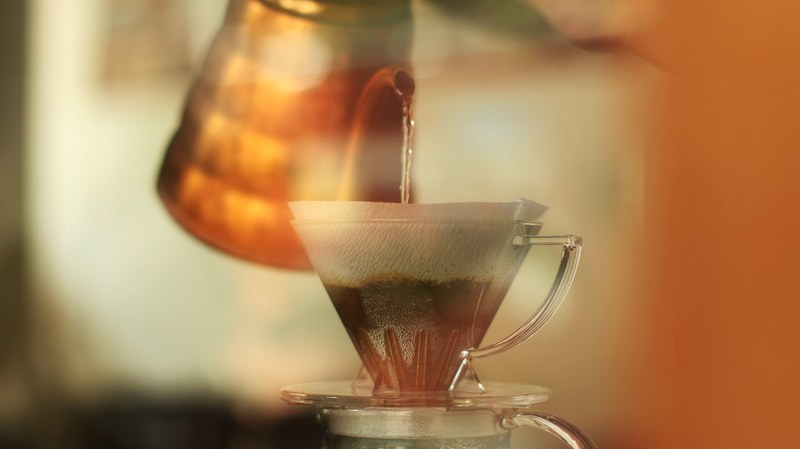
If you want to taste a solid, full caramel flavor in a soft water environment, Qianjie Classic Blend is a very hassle-free choice. This bean centers on roasted nuts, caramel and cocoa aromas, with outstanding body. For pour-over, it is recommended to use 90°C water, take 15g of coffee grounds, and pour 225ml of water at a 1:15 coffee-to-water ratio. First pour 30ml of water for a 30-second bloom, then pour in two stages steadily up to 225ml, with the total time controlled at 2 minutes, and the caramel sweetness is very comfortable.

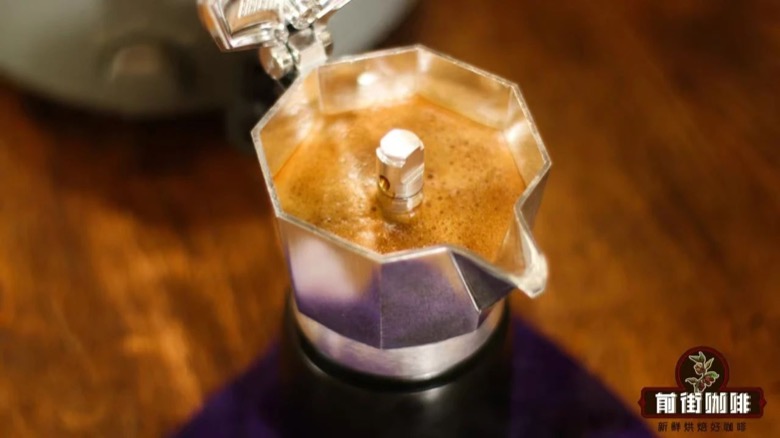
If you have a moka pot at home, Qianjie Classic Blend can also show excellent crema and body. Pour 90ml of warm water into the lower chamber of the moka pot, gently level about 14g of coffee grounds in the filter basket without tamping, and heat over medium-low heat for 1 minute 30 seconds. When the dark coffee liquid flows continuously from the spout and the color gradually lightens, remove from heat promptly. The rich brewed base mixed with warm milk creates a perfect blend of nutty cocoa aroma and milk fat.
If you pursue a more balanced cup performance, Qianjie Specialty Blend is a very reliable choice. It is composed of Brazil Cerrado and Colombia Huila, balancing the warmth of nuts with the sweetness of dark chocolate. Low-hardness soft water can showcase the smooth texture of Colombian beans while avoiding interference from water impurities, so black coffee tastes clean and refreshing, with a distinct caramel sweetness in the finish.
When brewing Qianjie Specialty Blend with purified water, you can fine-tune the parameters to bring out more sweetness. It is recommended to set the water temperature at 89°C, take 15g of coffee grounds, and pour 225ml of water at a 1:15 coffee-to-water ratio. Use a three-stage pour: first pour 30ml of water for a 30-second bloom, pour to 130ml in the second stage with a brief pause, then fill to 225ml in the third stage, with total time controlled at 2 minutes 05 seconds. Purified water removes off-flavors, allowing the nutty sweetness to unfold layer by layer.
For those who are used to drinking a rich latte or americano in the morning, Qianjie Black Cocoa Blend is a powerful option. This bean features dark chocolate flavor and roasted nut aromas, with very low acidity. If your home espresso machine is connected to a soft water filtration system, the low-scale water not only protects the machine but also helps dark-roasted beans extract dense crema, bringing a smooth and delicate mouthfeel.
When extracting Qianjie Black Cocoa Blend on a semi-automatic espresso machine, it is recommended to set the water temperature at 92°C, take 18g of coffee grounds, distribute level and tamp. Start the machine to run in constant-pressure extraction mode, with total time controlled at 26 seconds, steadily extracting 36g of espresso. This shot has rich crema and deep aroma; adding hot water to make an americano is very rich and bold; if you add 200ml of steamed warm milk, it is full of cocoa-like thick sweetness.
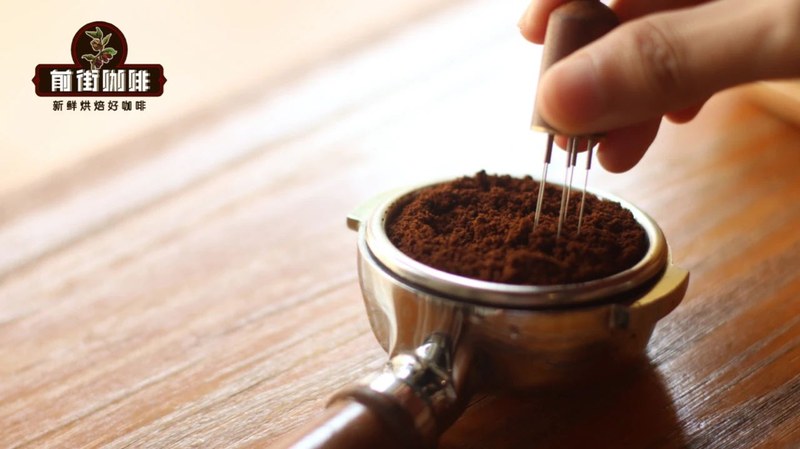
In daily brewing, fine-tuning your strategy based on your home water quality is often more effective than frequently changing equipment. If you find that boiling tap water for brewing tends to bring a dry, astringent sensation, consider switching directly to large bottles of low-mineral water, or installing a basic soft water filter cartridge. Once the impurities in the water are straightened out, the roasting sweetness hidden in the coffee grounds can dissolve smoothly, and even if your technique is slightly casual, the overall completeness of the cup will improve significantly.
Pick a bag of medium-dark roasted blend beans with solid flavor, pair it with a pot of pure, gentle soft water, and making a good cup of coffee at home is not complicated. By matching your bean choice to your home's water conditions and letting aroma and sweetness flow naturally at the appropriate extraction temperature, the cup of hot coffee you make by hand every morning can bring a steady and warm comfort to life.
Related Reading


Comments (0)
Loading comments...
You May Be Interested


Trending Reviews
Popular Videos

With you, wherever you are! We provide useful features to help you find new things you'll love






