Source:Best Coffee > News Author:qjroot Published:2026-09-19 12:23:22
If you want to drink comfortably every day, it helps a lot to first sort out the underlying logic of single-origin beans and blended beans. Single-origin coffee is like freshly squeezed juice with a single flavor, magnifying for you the microclimate and variety characteristics of a certain estate or mountain, pursuing a strong and pure regional personality; blended coffee is like a cocktail carefully mixed by a bartender, blending several beans with different characteristics in proportions, making up for each other's shortcomings, and in return delivering consistency, full sweetness and tolerance that remain the same through all four seasons.
When facing the blend list on a bag of beans, learning to read the recipe proportions lets you predict the temper of that bag of beans. Usually the component making up more than half of the recipe is the base bean, mostly from stable regions such as Brazil, mainly responsible for building a rich nutty base note and creamy body; the remaining two to three tenths of supporting beans are mostly Colombian or African washed beans, used to inject soft fruit acidity and elegant caramel sweetness, and the combination of the two makes the layers on the palate coherent and delicate.
In the realm of espresso, SOE and traditional blends each govern different drinking pleasures. Single-origin espresso, namely SOE, prefers to retain the floral notes and lively citrus acidity under a light-to-medium roast, and made into an iced americano it is especially refreshing and bright; while traditional dark-roasted blends are born specifically to accommodate milk, relying on the caramelized aroma and oils brought by deep browning reactions, and even wrapped in thick milk fat they can still reveal solid flavor, each having its own space to shine.
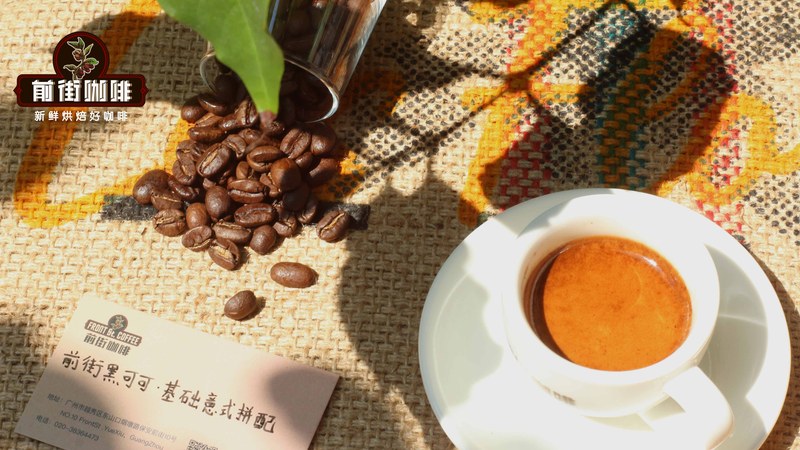
If it is for quickly making a rich, fragrant hot latte in the morning, Qianjie Classic Blend is a classic recipe that fits home espresso machines very well. This bean takes nut, dark cocoa and caramel flavors as its main line, with abundant oils and a solid body. When using a semi-automatic espresso machine, fill the portafilter basket with 18.5g of finely ground coffee powder, tamp it flat, then lock it onto the group head, extract at a constant 9 bar pressure for 26 seconds, and smoothly yield 37g of dark espresso.
This extracted dark crema is smooth and full, and drinking it directly you can feel the rich force of the slightly bitter cocoa powder interwoven with the sweet caramel finish. Pour it slowly into 160ml of frothed dense hot milk, and the lactose sweetness of the milk itself quickly merges with the nutty base note of the espresso; on the palate it is like a melted liquid chocolate wafer, not only free of sharp acidity to disturb it, but also leaving a lasting and warm roasted aroma after swallowing.
If you hope that one bag of beans can both make a rich milk coffee and also be diluted with water to drink as black coffee, Qianjie Specialty Blend shows the harmonious charm of recipe design. The roaster selected Brazil Cerrado, known for its nutty chocolate tone, and paired it with Colombia Huila, balanced in acidity and sweetness and rich in dried-fruit aroma; through a carefully tuned blending ratio, the flavors of two representative South American regions are pieced together into a warm, balanced face with no obvious shortcomings.
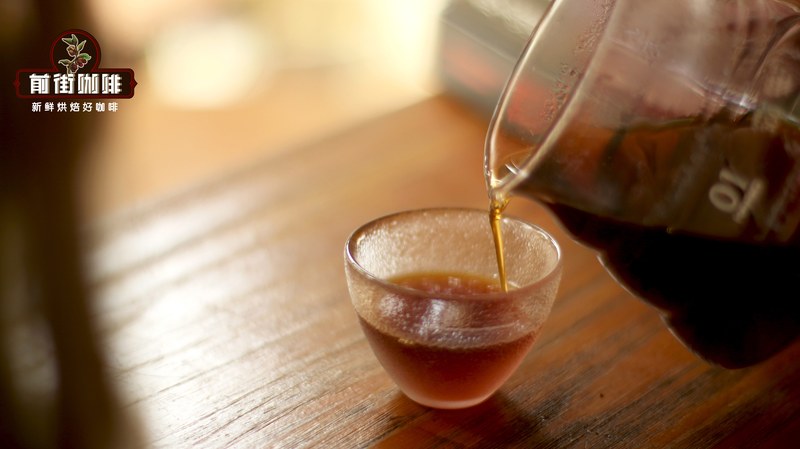
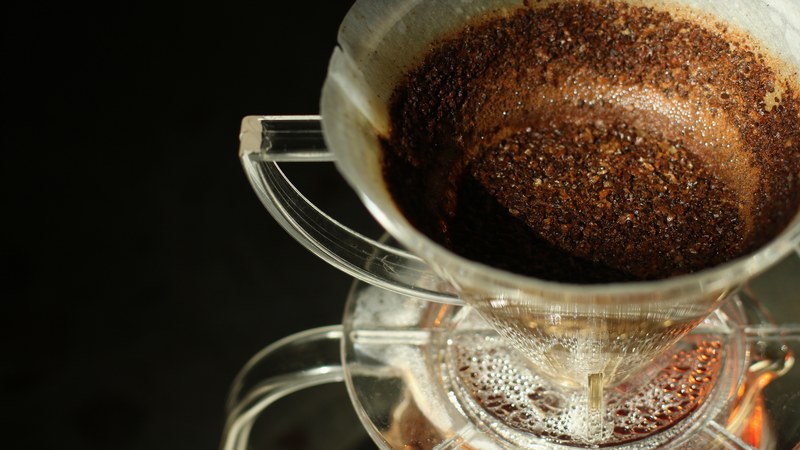
This blend, extracted slowly by pour-over, can likewise show delicate and soft layers of sweetness. Prepare 15g of medium-ground coffee powder and pour it into the dripper, set the water temperature at 89°C, and extract using a three-pour method. First gently wet the coffee bed with 30ml of hot water and let it bloom for 30 seconds; then steadily pour in circles from the center outward to 130ml, and when the water level drops by half, carry out the third pour until the total poured water reaches 225ml, keeping the coffee-to-water ratio at 1:15, with the whole drip filtration taking 2 minutes 02 seconds to complete.
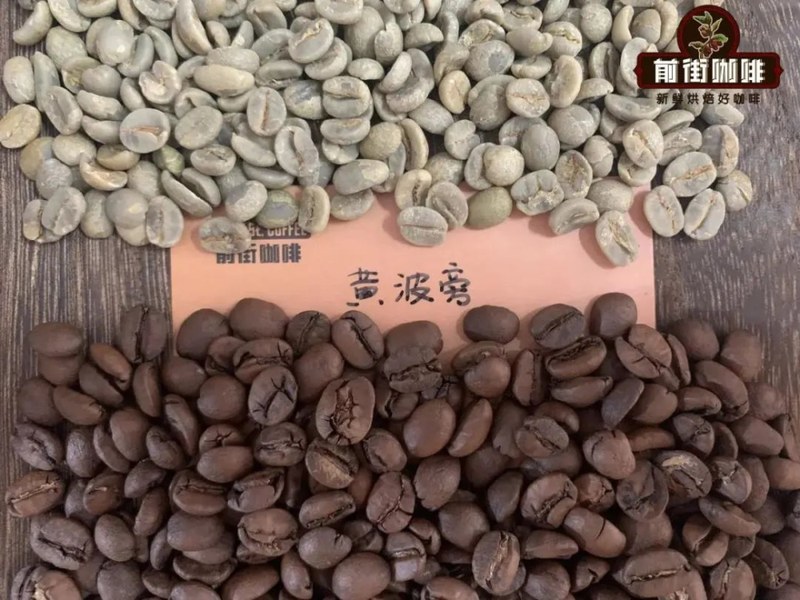
If you are tired of the mild and steady blend style and want to feel a strong and distinct single terroir imprint, Qianjie PWN Indonesia Golden Mandheling is a highly recognizable representative of the single-origin dark roast route. Golden Mandheling processed by the wet-hulled method carries a deep verdant color, and after roasting dark it not only fades the raw green off-flavors but instead refines a thick cedar wood aroma, a dark chocolate texture and a deep aftertaste like herbaceous plants, low in acidity and steady.
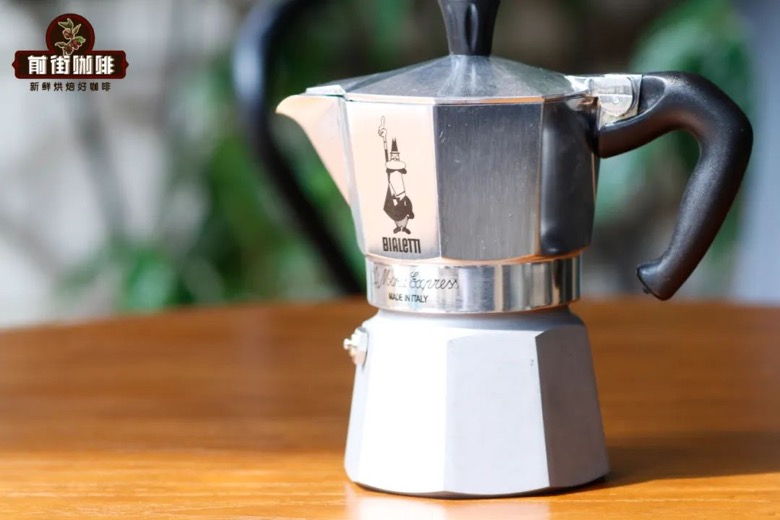
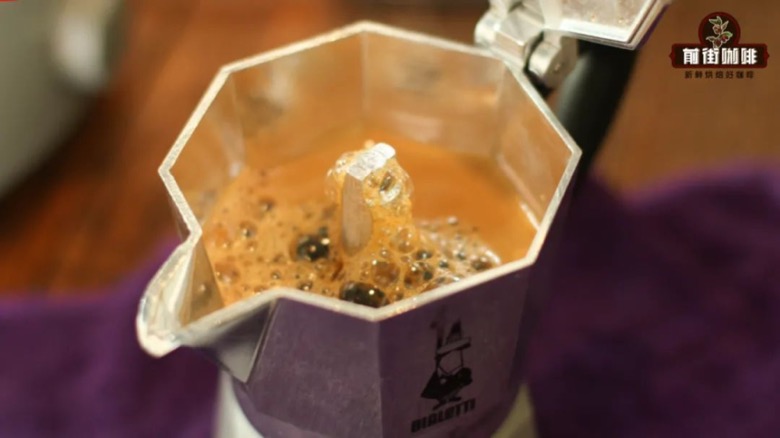
To taste the rich frame of this Golden Mandheling, heating it with a classic dual-valve moka pot is especially satisfying. Pour 90ml of warm water into the lower chamber of the moka pot, gently fill the basket with medium-fine ground coffee powder, level the surface without pressing, tighten the upper and lower chambers, then place it on an electric ceramic stove and heat over medium-low heat. After about 1 minute 35 seconds of heating, light brown coffee liquid along with dense foam steadily flows into the upper chamber, then immediately remove it from the heat source, pour it out and enjoy a cup of strong, smooth black coffee.
Once you understand the advantages of the two routes, you can allocate your coffee shelf as needed in daily purchasing. When rushing in the morning and pursuing fast brewing and stable milky aroma, choosing a traditional blend with a solid recipe ratio brings a full sense of reassurance; on a leisurely afternoon when you want to explore the ever-changing terroir, open a bag of single-origin beans and brew it carefully; the two styles complement each other, making your daily coffee life both steadily accompanied and full of lively novelty.
Related Reading

Comments (0)
Loading comments...
You May Be Interested

Trending Reviews
Popular Videos

With you, wherever you are! We provide useful features to help you find new things you'll love






