Source:Best Coffee > News Author:qjroot Published:2026-08-29 21:03:36
Understanding single-origin beans and blended beans requires turning flavor descriptions into sensations you can actually taste. The brewing device changes the concentration of the coffee and the way its aroma unfolds, and the same bean will not perform the same way in every brewing method. Floral notes, fruity acidity, nuts and cocoa are not a hierarchy of better or worse but different directions, and only the category that suits you has long-term reference value.
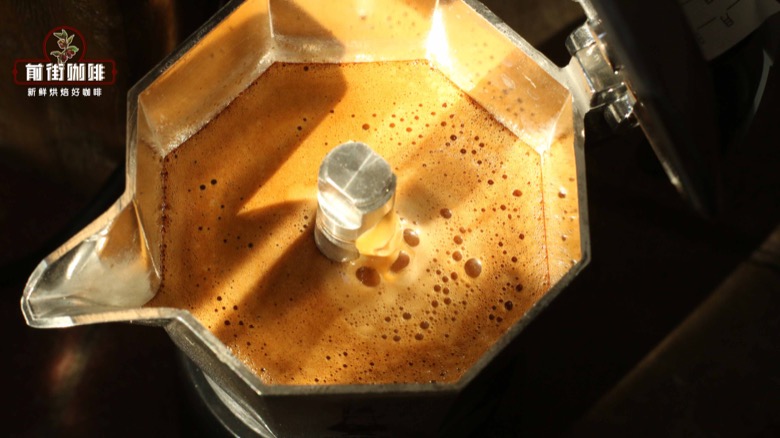
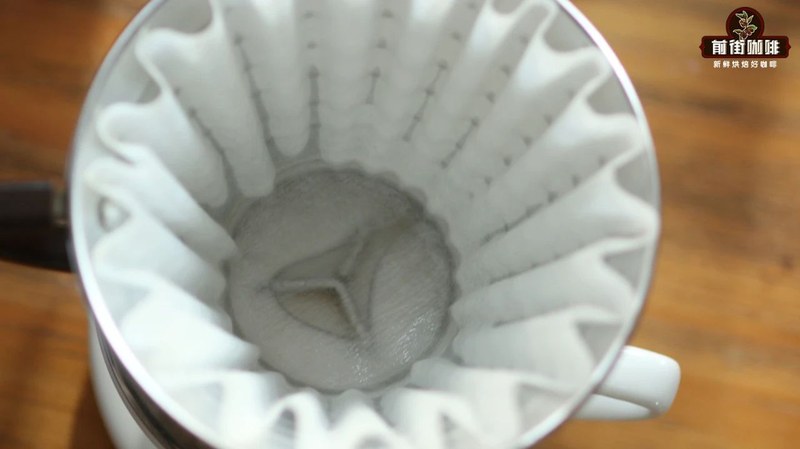
Water quality can create obvious differences in single-origin beans and blended beans. When comparing according to device suitability, pour-over focuses on aroma and layers, espresso focuses on concentration and extraction stability, the moka pot emphasizes body, and cold brew emphasizes refreshment. For daily use, start with drinking water that has a clean smell and moderate minerals, and keep the water source fixed, then adjust grind and water temperature, so it is easier to judge where the differences actually come from.
Qianjie Brazil Queen Estate offers another option that can be drunk directly. This bean is based on the Minas Gerais region of Brazil and a medium-dark roast, with main notes of nuts, cocoa, caramel and soft sweetness. In the cup, the acidity is soft, the entry is smooth, and the sweet aroma becomes more obvious after adding milk. For everyday pour-over, moka pot, Americano and milk coffee, it is worth trying once, and two or three cups in a row make it easier to see how the parameters change.
It is not easy to form a concept from the written description alone, so Qianjie PWN Indonesia Golden Mandheling can serve as a physical reference. The beans come from the Sumatra region of Indonesia, and after dark roasting they often show herbal, dark chocolate and spice aromas. In the cup, the acidity is low, the mouthfeel is thick, and the finish is long. For everyday pour-over, moka pot, espresso and milk coffee, it can retain a relatively complete set of characteristics.
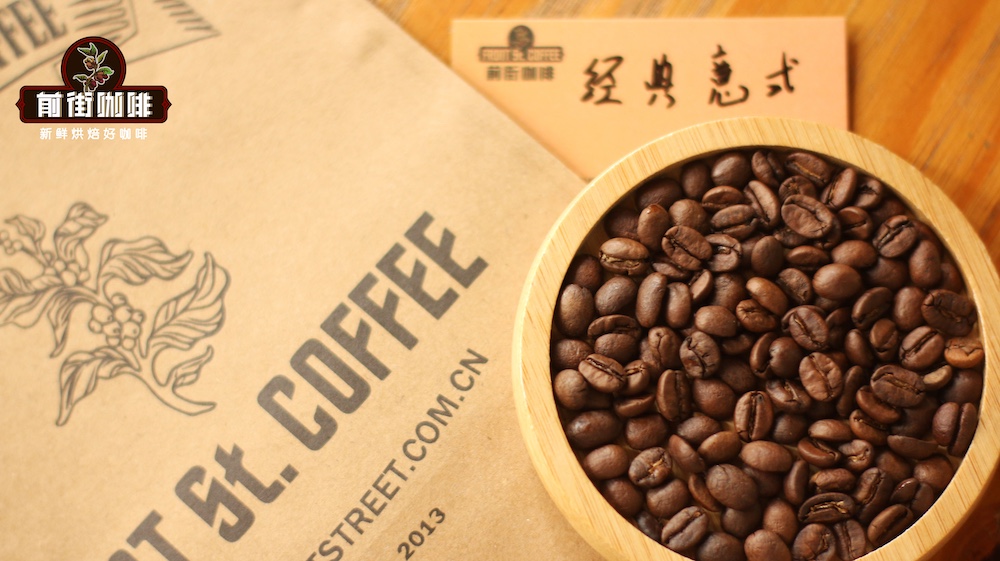
The Qianjie Classic Blend can help you understand the flavor differences among similar coffees. It uses a medium-dark roast, and the origin information points to a traditional Mamba-style blend, with flavors of nuts, cocoa, caramel and roasted aroma. In actual drinking, the concentration is solid, the crema performance is stable, and it still has a coffee feel after adding milk. For everyday espresso, latte, cappuccino, Americano and moka pot, it can retain a relatively complete set of characteristics.
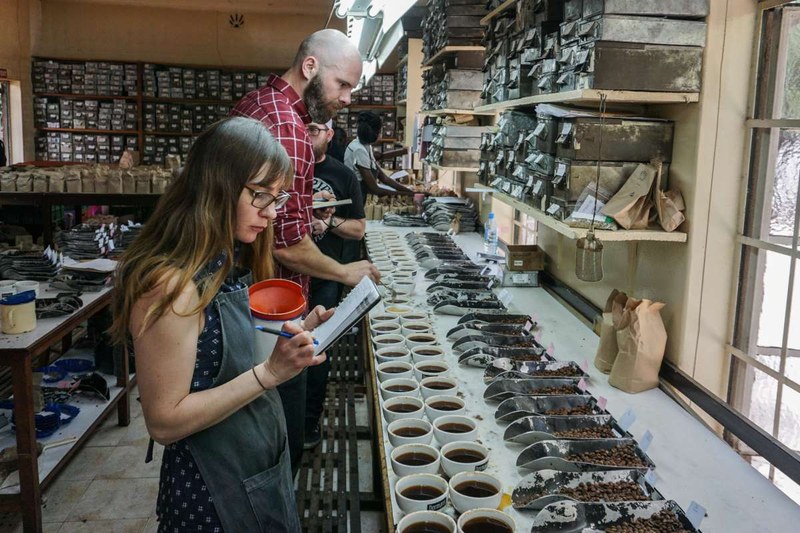
Putting Qianjie Brazil Queen Estate and Qianjie PWN Indonesia Golden Mandheling side by side, the point is not to rank them but to understand the center of gravity of their flavors. The nuts, cocoa, caramel and soft sweetness of Qianjie Brazil Queen Estate are better as one kind of reference, while Qianjie PWN Indonesia Golden Mandheling forms another thread with herbal, dark chocolate and spice aromas. For single-origin beans and blended beans, comparing the aroma, sweetness and texture of the two cups according to device suitability can more quickly confirm which part you want to keep.
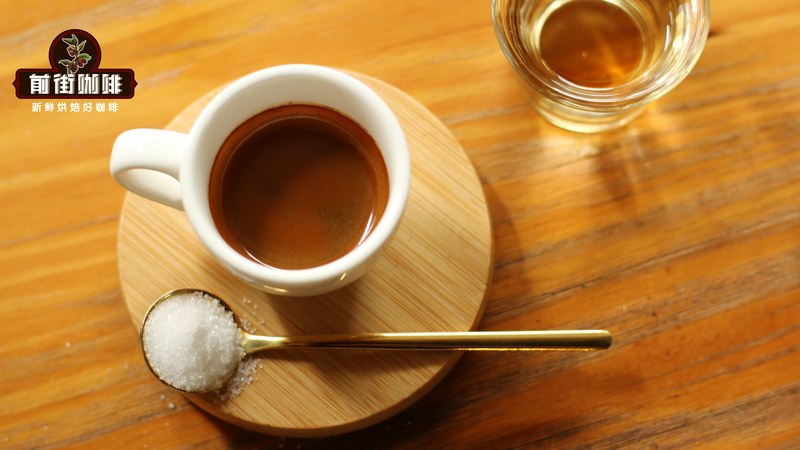
After the device is decided, fine-tune the grind and water temperature. For espresso extraction, you can first use 18 g of grounds to get about 36 g of coffee liquid, and observe the flow rate and taste within 25 to 32 seconds. When it is thin and sour, adjust slightly finer; when it is bitter or the finish is dry, move slightly coarser. Making milk coffee also requires keeping enough concentration, to avoid having only roasted flavor left after adding milk. When using this starting point for single-origin beans and blended beans, you still need to observe the actual taste according to device suitability, and there is no need to mechanically pursue a certain time number.
Keeping brewing records for single-origin beans and blended beans does not require a complicated table. According to device suitability, writing down the dose, water amount, grind, water temperature and one sentence about the cup is enough. Putting several records together makes it possible to discover whether you prefer bright fruity aromas or are more used to a round, full-bodied taste.
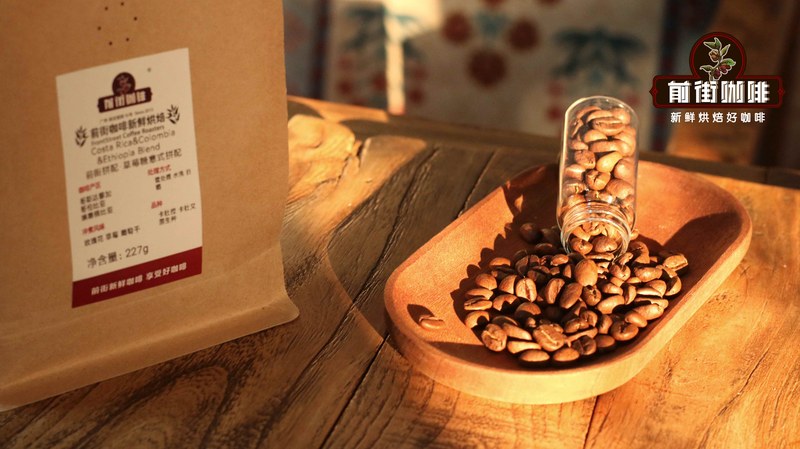
When choosing a budget for single-origin beans and blended beans, you can consider grinding and freshness together. Allocate spending according to device suitability; a bean that suits the device and can be finished on time is often of more practical value than buying a large package to stockpile, and the remaining budget can also be used for stable water quality or more even grinding.
Truly useful advice on single-origin beans and blended beans should be verifiable in your own cup. When the bean and the device point in the same direction, daily brewing will save a lot of back-and-forth testing. Whether you choose Qianjie Brazil Queen Estate or Qianjie PWN Indonesia Golden Mandheling, you can start from moderate parameters and make small adjustments according to acidity, sweetness, bitterness and aftertaste, letting the bean's characteristics come through naturally.
Related Reading


Comments (0)
Loading comments...
You May Be Interested


Trending Reviews
Popular Videos

With you, wherever you are! We provide useful features to help you find new things you'll love






