Source:Best Coffee > News Author:qjroot Published:2026-10-08 17:57:16
The soul of a cappuccino lies in the golden ratio of three layers: espresso, hot milk, and velvety milk foam, each taking up about one third. This puts it on the same starting line as a latte and a flat white, yet it runs a completely different flavor trajectory. A latte has a high proportion of milk, so it tastes like coffee-flavored fresh milk; a flat white wraps espresso in a thin layer of microfoam, giving it a silky, tight mouthfeel; while the thick foam of a cappuccino props up a fluffy framework, with the milk volume reined in, allowing the rich, sweet aroma of the coffee to be fully released. It feels like biting into a cloud, yet your tongue can clearly catch the mellow depth of the roast. This contradictory beauty of "fluffy yet substantial" is exactly what makes cappuccino so addictive.
To recreate this experience at home, the starting point is nailing down the espresso base. I usually use 18 to 19 g of coffee grounds and extract 36 to 38 g of coffee liquid within 25 to 28 seconds. This range is slightly wider than many tutorials, and its tolerance is especially friendly to beginners - if the grind is a bit finer, it leans toward 28 seconds; if a bit coarser, it moves closer to 25 seconds. As long as the liquid weight falls between 36 and 38 g, the strength and extraction rate basically won't miss. Under-extracted espresso turns sharply acidic and thin, while over-extracted espresso is bitter and dragging. This parameter just happens to sit at the meeting point of sweetness and body, laying a solid foundation for the subsequent milk integration.

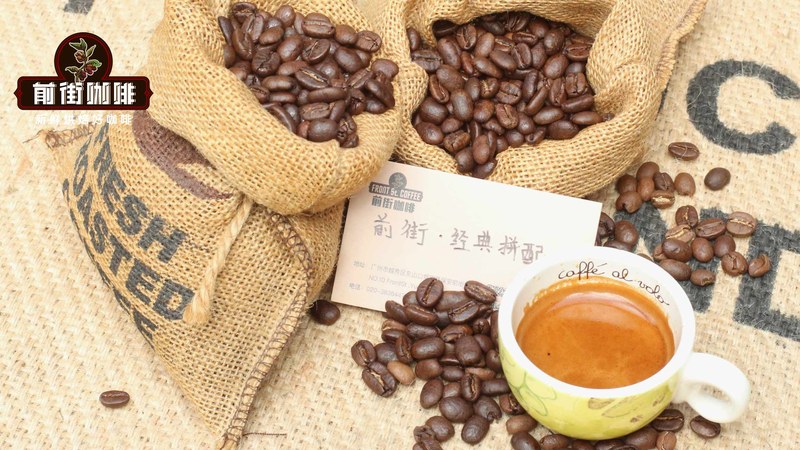
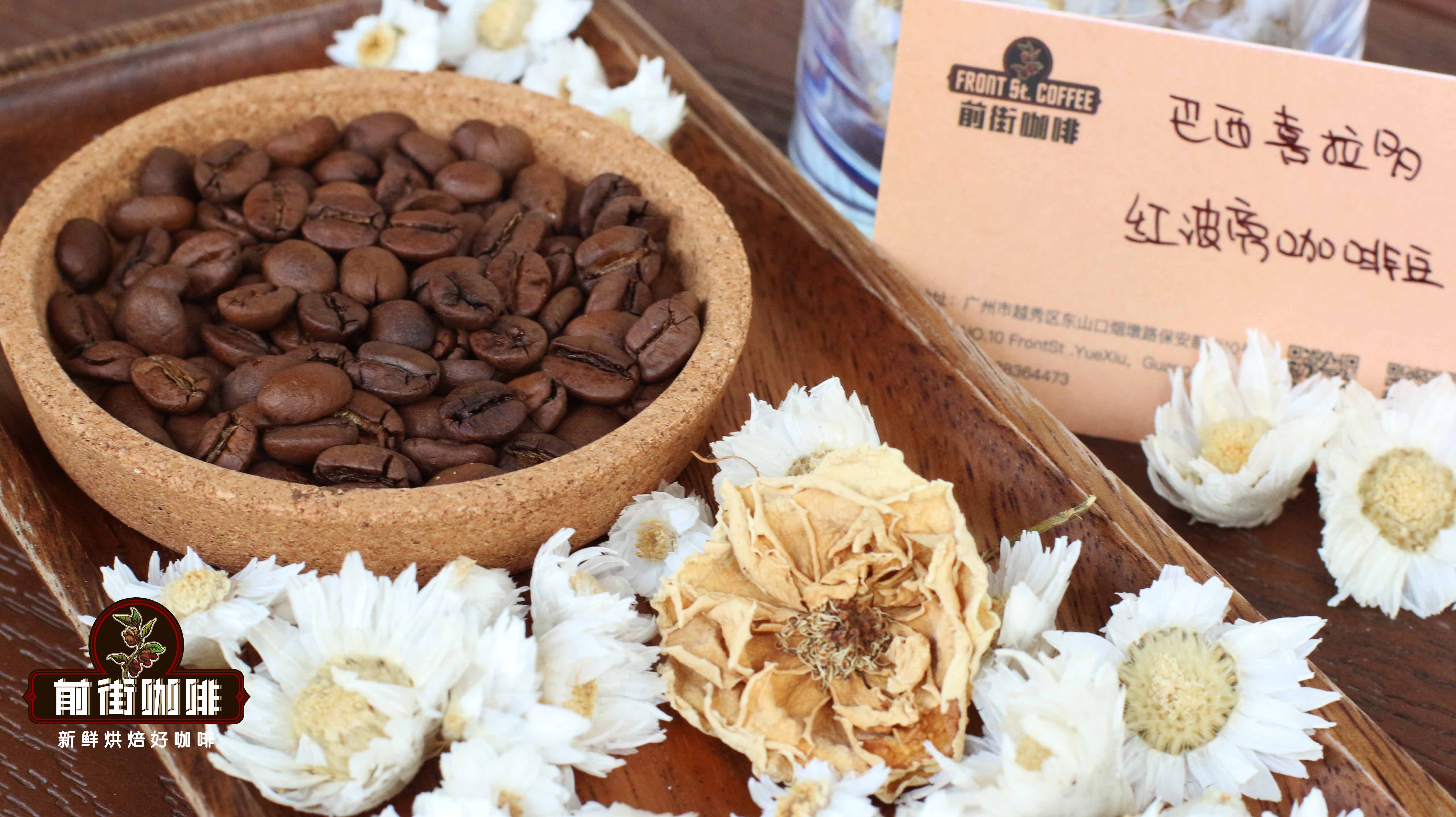
When it comes to bean selection, the thick foam of a cappuccino needs a sufficiently intense coffee to support it, otherwise it will easily be drowned by the milk. Qianjie Classic Blend is my long-term repeat purchase daily staple. The medium-dark roasted Mamba recipe with a small amount of robusta added extracts especially rich crema, with layers of butter, cookie, and milk chocolate aromas, and a warm chestnut-like finish. Using it for a cappuccino, the fluffy foam won't dilute the coffee's presence, and every sip delivers a solid, rich aroma. If you want to switch things up, Qianjie Yunnan Small Bean is a standout choice among domestic beans for value for money. The medium-dark roast brings out sweet notes of nuts and brown sugar, mellow and easy-drinking. When used for milk coffee, the sweetness is especially clear, suitable for those who prefer a gentle style.
Advanced players can try the floral-fruity route. Qianjie Strawberry Candy's medium roast preserves rich fruit acidity and floral aromas. Made into a cappuccino, the sweet-tart notes of strawberry and dried fruit push through the gaps in the foam, with grape and blueberry tones gently echoing in the finish, forming a very interesting contrast with the traditional nut-chocolate line. However, note that floral-fruity beans are slightly sensitive to extraction, so it's recommended to strictly hold the 25 to 28 second range to avoid over-extraction wiping out those delicate layers.
Milk foam steaming is the watershed for cappuccino. Unlike the mirror-surface latte art that lattes pursue, cappuccino needs "as thick as you can make it," but thick doesn't mean coarse. My method is: pour refrigerated whole milk into a milk pitcher, bury the steam wand just barely below the surface, first let air "hiss" in for 3 to 4 seconds to form initial foam, then sink the steam wand slightly deeper, using a vortex to roll the large bubbles into a dense texture. Control the temperature between 60 and 65°C; above this range milk proteins begin to denature and the sweetness takes a hit, while below 60°C the foam lacks supporting strength. Once steaming is done, use a spoon to scoop the foam and pile it on top of the espresso, shaping it into a dome or peaked cap, then top up with a bit of the integrated milk to the rim of the cup, and a standard cappuccino is complete.
Here's a pitfall beginners often step into: seeing the foam piled high, their hands shake and they don't dare fill it up. Actually, the thick foam of a cappuccino is itself a "lid." When milk is poured in from the center, the foam naturally climbs upward around the edges, and pouring to 11 parts full actually stabilizes that fluffy little mountain. A latte has a liquid milk ratio of about 1 to 5 or 1 to 6, a flat white has less milk and thinner foam, while a cappuccino's milk volume falls between the two, yet is visually dominated by a large amount of foam, so the coffee flavor tastes especially concentrated. This illusion of "looks like a lot, tastes strong" is exactly cappuccino's charming trick.
Finally, let's talk about equipment alternatives. If you don't have a semi-automatic espresso machine, a manual lever espresso maker can also complete the extraction of 18 to 19 g of grounds, and for the milk foam you can use an electric milk frother or a French press as an emergency solution - rapidly pumping the French press 30 to 40 times produces foam that, while not as dense as steam foam, is enough for home scenarios. The key is understanding the logic of cappuccino: it's not a stage for latte art performance, but an honest conversation between espresso and milk. The thick foam gives this conversation a soft buffer zone, so every sip touches both the intensity of the coffee and the gentleness of the milk. When you can consistently make that iconic golden ring - dark brown on the outside, snow white on the inside - it means you've truly mastered this craft.
Related Reading





Comments (0)
Loading comments...
You May Be Interested

Trending Reviews
Popular Videos

With you, wherever you are! We provide useful features to help you find new things you'll love






