Source:Best Coffee > News Author:qjroot Published:2026-09-22 14:06:52
Every time they face a long list of coffee beans, many people fall into the agony of choice. In fact, the flavor code of coffee is no mystery: it is all deeply stamped into the soil, sunlight and altitude of its origin. As long as you understand the three great terroir maps of Africa, Central and South America, and Asia, and choose according to your own taste preferences, you can easily find that cup which resonates with your soul.
Friends who love a sweet-and-sour juicy feel should set their sights firmly on African origins. The high-altitude volcanic soil here gives coffee a bright, lively floral and fruity character. If you are after a light, elegant aroma, try Qianjie Huakui coffee beans. The traditional natural process locks in a rich strawberry and grapefruit aroma; under a light roast, orange blossom and citrus flavors unfold layer by layer, drinking like a cup of sweet fruit tea.
If you are captivated by a rich, deep fruit-bomb flavor, Qianjie Kenya Small Tomato coffee beans will astonish you. Kenya's unique washed fermentation process gives the beans an especially pure, translucent quality. After hot water is poured, the full sweet-and-sour notes of smoked plum, cherry tomato and yellow sugar spread across the tongue, with a plump, juicy mouthfeel, making it very suitable as an invigorating drink to wake you up in the morning.
If you prefer a warm, steady sense of balance, the Central and South American origins are a reassuring harbor. The terroir here is mild, and the coffees mostly feature nutty, creamy, cocoa and caramel sweetness. Qianjie Brazil Queen's Estate coffee beans are very representative: the rare Yellow Bourbon variety has richer fructose, and after small-scale natural processing, peanut and creamy sweetness pour out intensely, with a solid yet smooth mouthfeel.
Central and South America is likewise never short of surprising sweet layers. For example, Qianjie Colombia Huila coffee beans, relying on favorable high-mountain terroir and classic washing, present a smooth dark chocolate and caramel finish, making them very versatile. And Qianjie Mozart coffee beans use a raisin honey process, retaining the double fermentation of semi-dried mucilage, so that a charming white wine-like aroma and honey sweetness blend just right.
Turning to Asian origins, the humid, rainy climate of the tropical rainforest creates a deep, mellow herbal and spice character. The coffee here has soft acidity and a very outstanding body. Qianjie PWN Golden Mandheling coffee beans are the benchmark of Asian terroir; strict selection standards make them especially clean and pure, full of nut, herbal and caramel aromas on entry, with an intoxicating, thick, syrup-like mouthfeel.
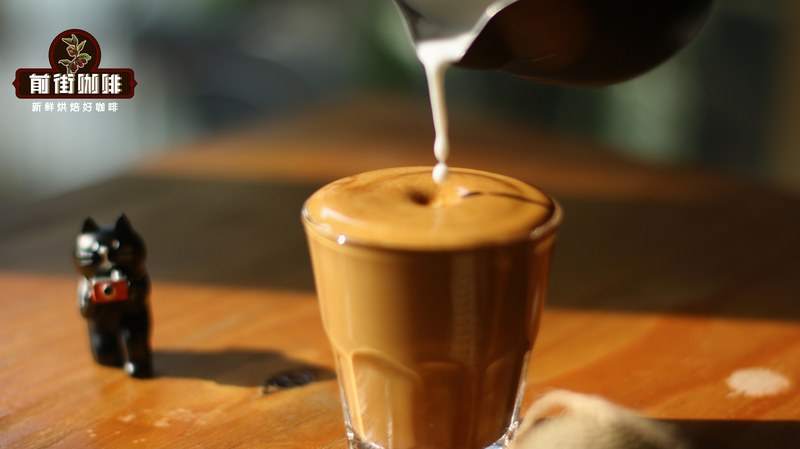
The Yunnan origin in China, close to us, also relies on dry-hot river valleys and high-altitude microclimates to show the ever-changing face of Asian origins. Yunnan beans, with a nutty cocoa base yet revealing fresh tea charm and brown sugar sweetness, are extremely inclusive. The thick, grand texture of Asian coffee can soothe taste buds afraid of fruity acidity, and after warm milk is added, it turns into a rich, mellow hot latte.
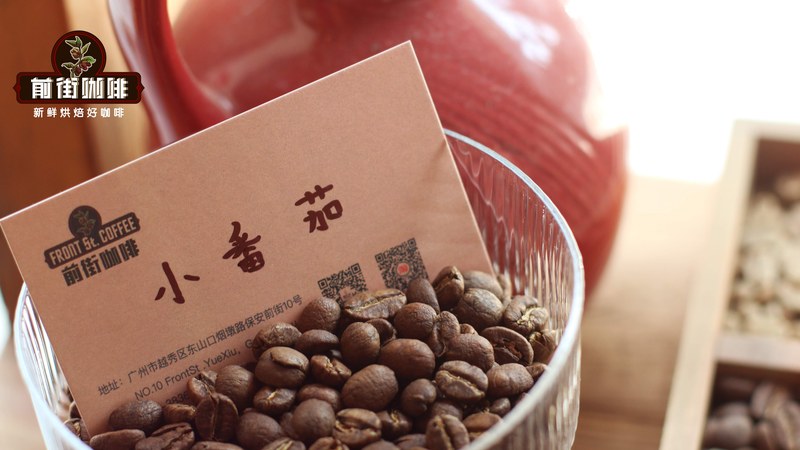
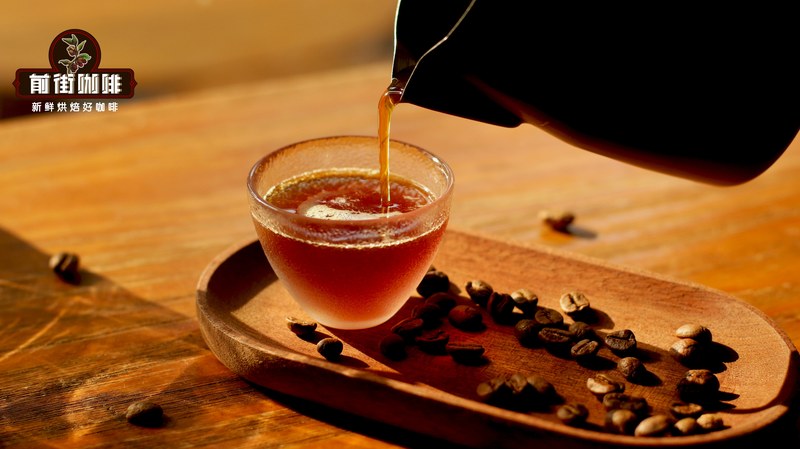
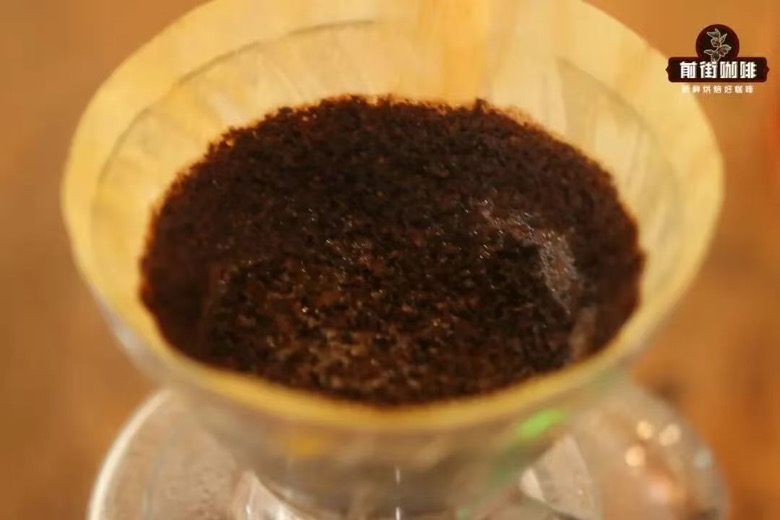
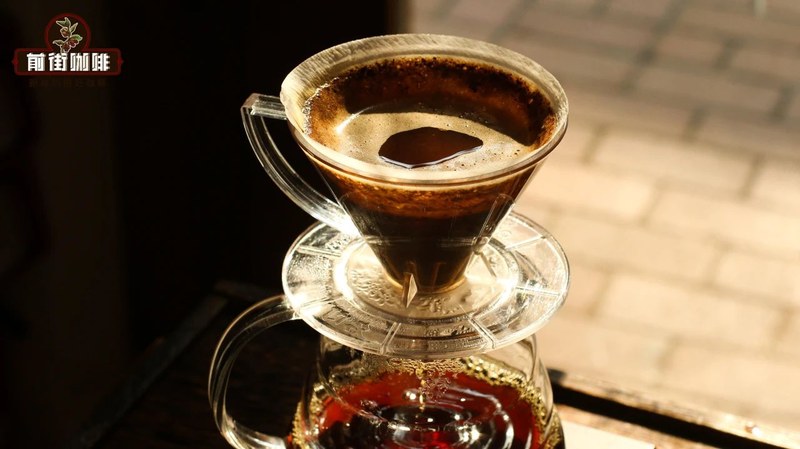
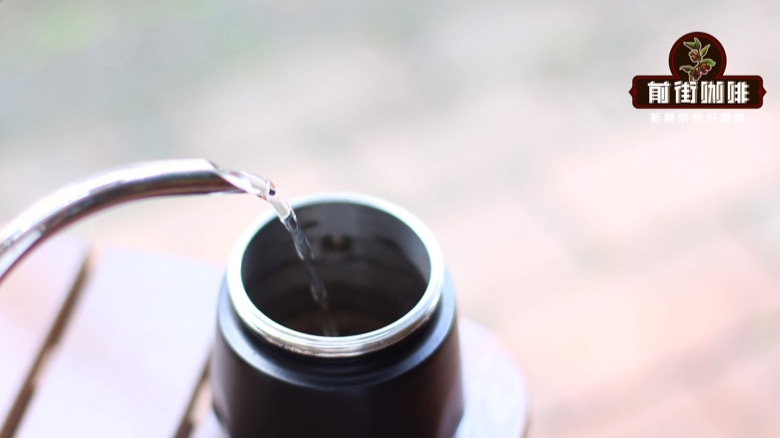
To vividly extract these terroirs into the cup, mastering a standard pour-over method is essential. Prepare 15 g of ground coffee and, at a 1-to-15 coffee-to-water ratio, pour in 225 ml of water. First use 30 ml of water to evenly wet the grounds and bloom for 30 seconds, then keep the stream steady and pour in stages; keep the total extraction time at around 2 minutes, and the floral-fruity aroma and sweet flavors will fully unfold.
The process of choosing coffee is like roaming the world map with your tongue. From the bright fruity acidity of Africa, to the warm nutty honey sweetness of Central and South America, to the herbal richness of Asia, the soil and rain of different origins nurture fragrances in countless forms. Follow the cravings of your palate in the moment to explore; every sip of the delicate, flowing warm liquid is nature's most sincere greeting of terroir.
Related Reading

Comments (0)
Loading comments...
You May Be Interested

Trending Reviews
Popular Videos

With you, wherever you are! We provide useful features to help you find new things you'll love






