Source:Best Coffee > News Author:qjroot Published:2024-05-16 18:33:20
Recently, the Guatemalan National Coffee Association (Anacafé) announced that last year it planned to compile a comprehensive geographical survey to redraw Guatemala’s coffee map.
According to the new coffee map drawn by Anacafé, there are currently 251,265 hectares of relatively stable coffee plantations, along with 124,734 hectares of newly planted or previously unreported plantations, minus 49,336 hectares of areas where coffee is no longer grown.
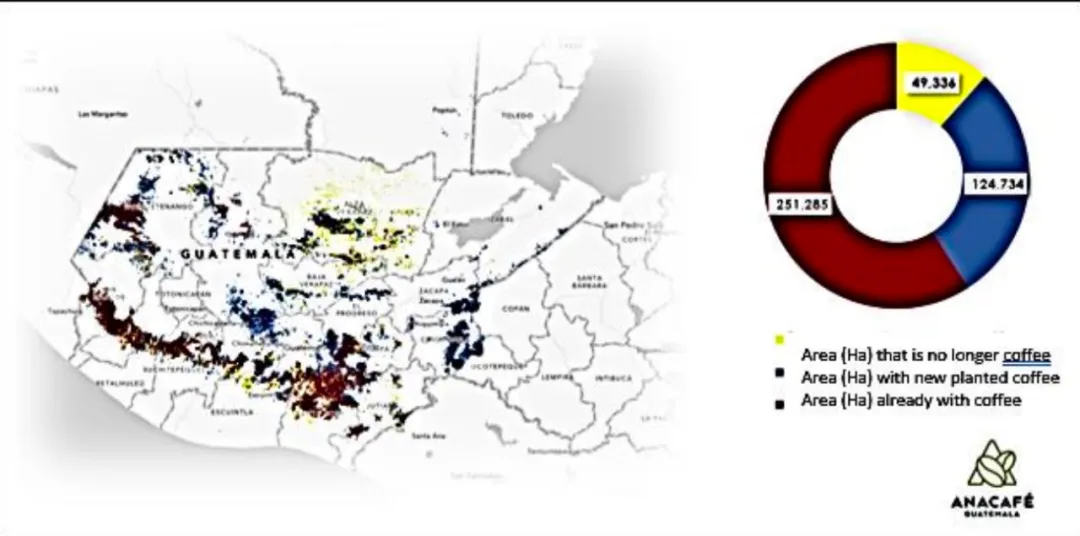
It also found that Guatemala currently has 354 large-scale farmers (accounting for 0.28% of total production), 3,636 medium-scale farmers (3%), and nearly 97% smallholder farmers, with each group contributing 25%, 31%, and 44% of the harvest, respectively.
Ancafé said that currently 97% of coffee producers in Guatemala are smallholder farmers, who are now facing challenges such as high fertilizer costs, labor shortages, and a lack of coffee processing infrastructure.
Due to the global rise in fertilizer prices, which has increased costs, many small-scale coffee farmers have had to reduce their use of fertilizers, which can affect current and future coffee harvests. Moreover, an increasing number of coffee farmers are seeking low-cost technological alternatives at various stages of coffee production.
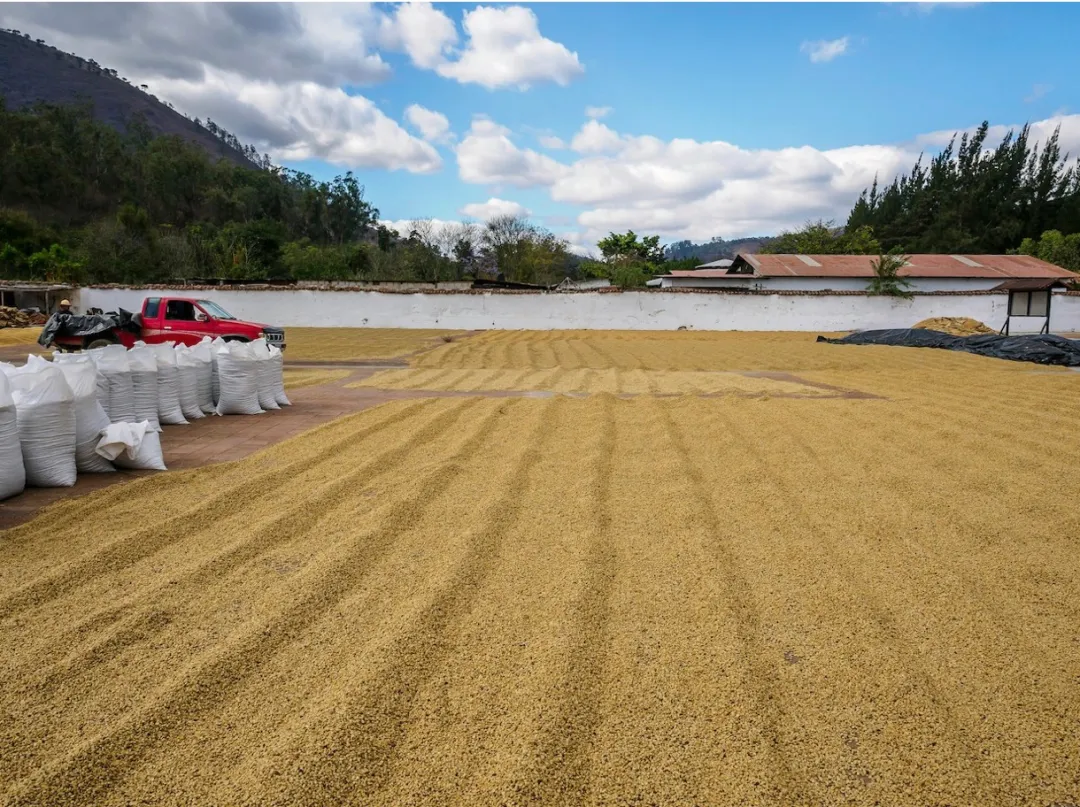
In addition, smallholder farmers lack the infrastructure to process coffee, so they have to rely on intermediaries and some large farms. However, larger farms have to pay 10% more than intermediaries, further increasing the costs for smallholders.
Moreover, most small coffee farmers sell their coffee as cherries. In the 2023/24 season, the price was $21–22 per 100 pounds of cherries, which is much lower than the price of green coffee beans.
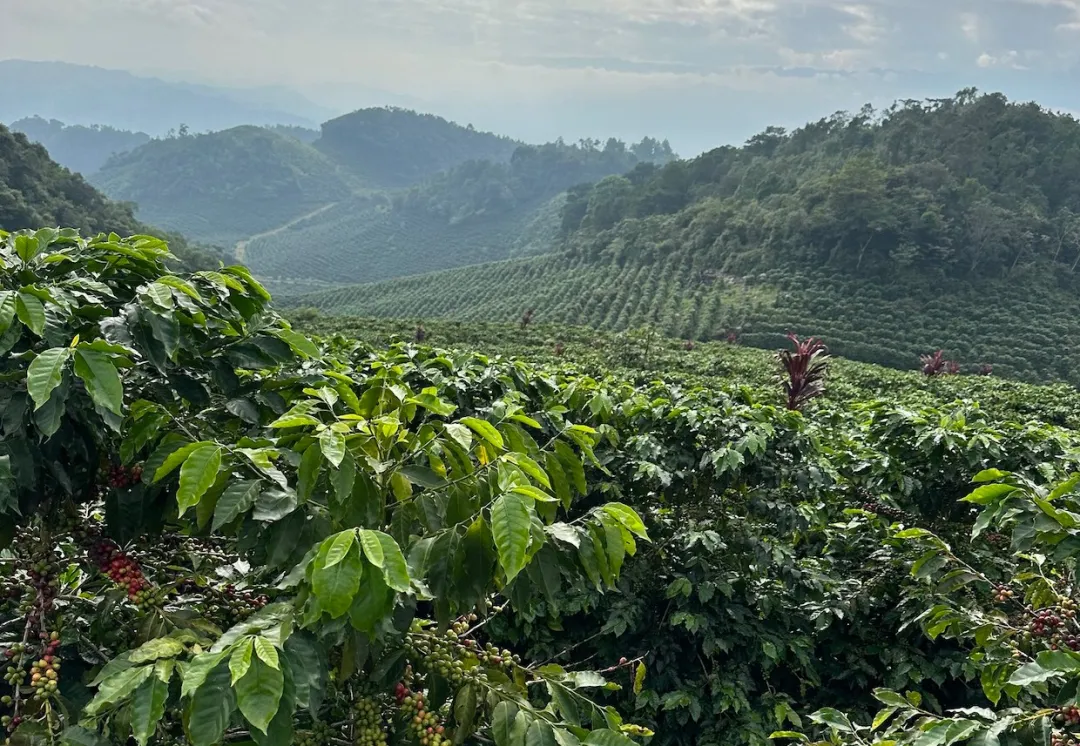
Apart from the current challenges, the most pressing issue is the upcoming rainy season, which may be more intense due to the influence of the La Niña phenomenon. According to forecasts by Guatemala’s meteorological department, the rainy season will begin in mid-May, intensify in June and July, and bring rainfall levels above normal.
These areas have numerous coffee-growing regions, and heavy rain may cause disasters such as floods or landslides. The municipal government has already begun work such as clearing drainage ditches, but other individuals and farms also need to take preventive measures.
Related Reading





Comments (0)
Loading comments...
You May Be Interested



Trending Reviews
Popular Videos

With you, wherever you are! We provide useful features to help you find new things you'll love






