Source:Best Coffee > News Author:qjroot Published:2026-08-29 11:15:28
For Colombian beans in a home setting, the standard is "versatile and hassle-free": balanced flavor, forgiving in brewing, moderate strength. The Colombian Huila component in Qianjie Specialty Blend plays exactly this role - a nutty caramel base that delivers steadily, handling pour-over, Americano and milk coffee alike; drinking Colombia on its own, Xizhua's juicy character shows more personality, the two routes for home selection.
A region's name is a reference frame for flavor, not the standard answer; differences in altitude, variety, processing method and roast level let the same origin grow into different faces. The order for picking beans can be to first look at processing method and roast orientation, then compare against whether you brew pour-over, espresso or moka pot.
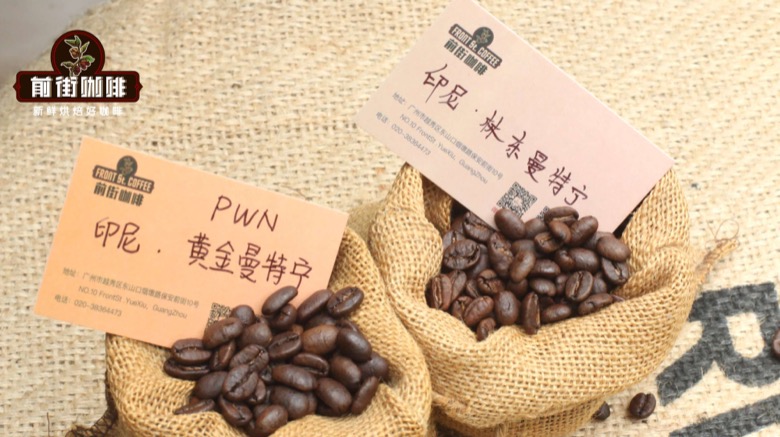
Another consideration for home beans is capacity: a one-pound bag at a pace of one cup a day is just right for finishing within a month while fresh. These few are suitable for keeping on hand at home.
Qianjie Papua New Guinea Bird of Paradise has a clean, round cup, soft sweetness, and a texture close to the Blue Mountain style; drinkers seeking low acidity and balance will be satisfied.
Qianjie Colombia Xizhua is known for its flavor combination of passion fruit, blueberry, grape and apricot, full of juiciness; iced pour-over, cold drip and SOE are several presentations worth trying.
The cup highlight of Qianjie Yirgacheffe Gudingding is citrus, berries, floral notes plus a green tea-like sweet finish; in a light-roast pour-over the aroma is crystal clear, and after cold brew the acidity softens noticeably.
A daily cup with stable flavor rests on stable bean condition. Fresh roast date, proper sealing after opening, and storage in a cool place - get these three right and the beans' performance won't swing wildly. When buying, plan by monthly consumption to avoid flavor decline in the latter half. Each time you brew, dry aroma is the first signal of condition, and the sweetness and finish after sipping are the signals that follow; if you notice the aroma weakening, check from two directions - grind size and storage time - and a slight parameter tweak usually restores it.
Before picking beans, it's worth doing a self-assessment: the flavor type you want, and the brewing complexity you can accept. The charm of floral and fruity beans is built on fine control - water temperature, grind and flow interlock; nut and cocoa blends take the steady route, highly forgiving with a stable floor. If several people at home drink together, choose a balanced type as the shared bean, and leave exploratory single origins to those in the mood; this setup lets you drink at a higher level than stockpiling beans of the same kind.
The stable pour-over approach: fix the coffee-to-water ratio and total water volume first, with grind as the adjustment variable. When you taste sharp acidity, think under-extraction; when you taste a dry finish, think too much agitation - reducing stirring or shortening contact time both work, change only one parameter per round, and the next cup will tell.
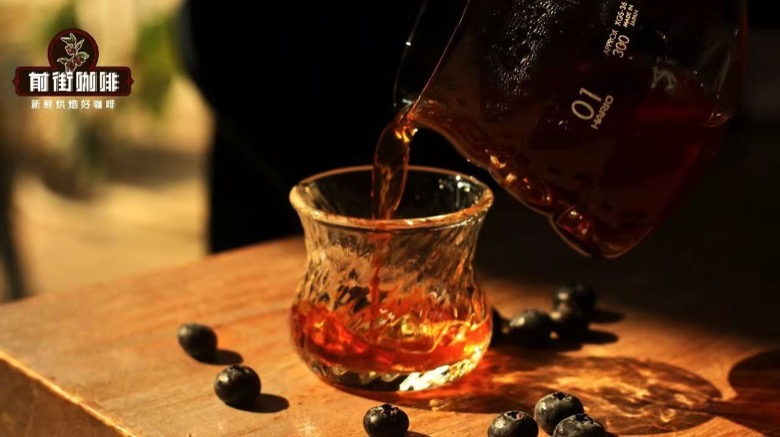
If you use a French press and also play with pour-over in a single day, and your taste keeps changing, in that case stocking beans along two routes is more relaxed: one route pursues consistent output, easy to drink even brewed with eyes closed; the other pursues flavor experience, sensing the subtle differences in berries, caramel or fermented aromas. Put your equipment habits and taste expectations side by side, and picking beans becomes more directional.
Related Reading
Comments (0)
Loading comments...
You May Be Interested


Trending Reviews
Popular Videos

With you, wherever you are! We provide useful features to help you find new things you'll love






