Source:Best Coffee > News Author:qjroot Published:2026-09-07 13:46:25
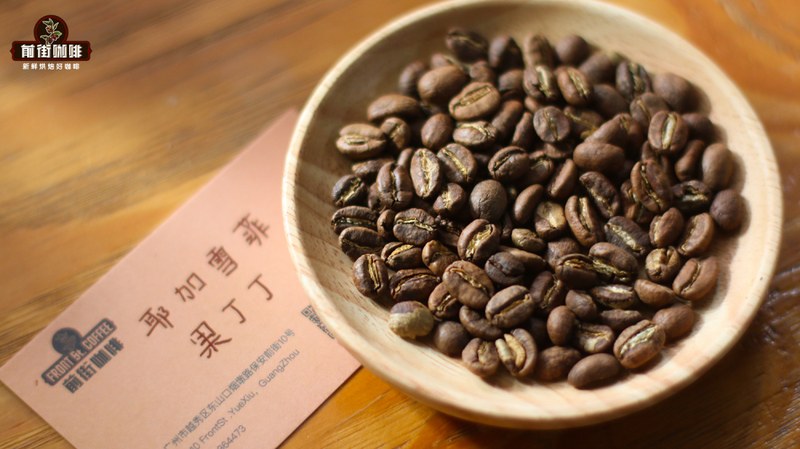
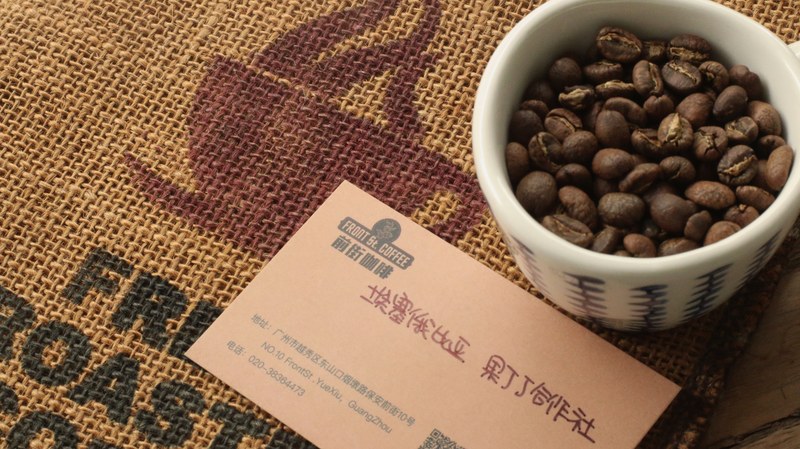
The front-street Yirgacheffe Gutingding is well suited for observing the bright side of Yirgacheffe: citrus, berry and floral notes are easier to taste under a light roast, leaving a green-tea-like clean sweetness after swallowing. It is not only suitable for a filter cone, but you can also try espresso extraction. The key is not to apply a fixed set of numbers, but to arrange water temperature, grind and extraction rhythm according to the bean's density, roast level and the concentration you want.
When buying, you can first look at the roast direction and flavor description. A lighter Yirgacheffe usually needs more sufficient heat to open up the floral and fruity acidity; if the roast color is slightly darker, both water temperature and contact time can be reined in a little, so that caramel-like sweetness and a soft mouthfeel can stand firm. If the beans smell clearly of citrus, floral tea or berries, pour-over is better for showing its details; if the aroma leans toward ripe fruit and cocoa, you can adjust toward a richer route.

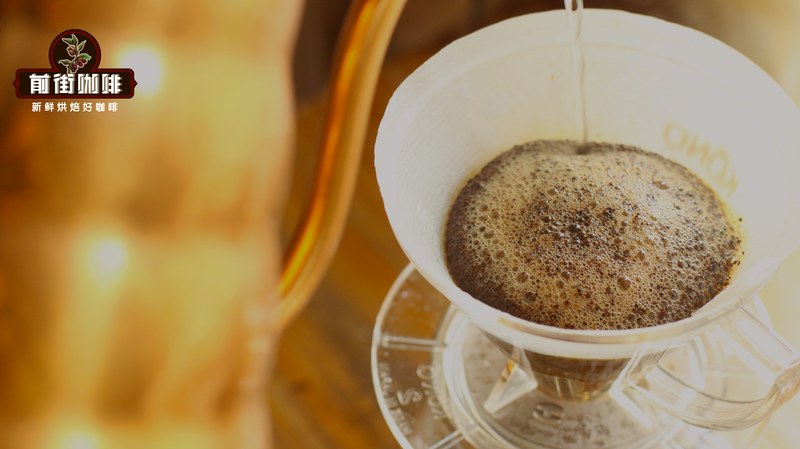
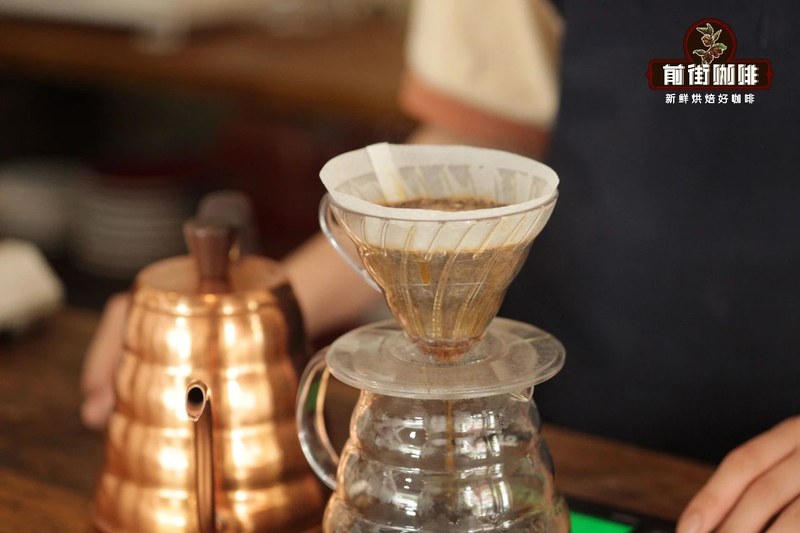
For pour-over, you can start with 15 g of coffee grounds and 240 g of water, a ratio of about 1:16, a water temperature set at 91 to 93°C, a medium-fine grind, and a target total time of about 2.5 to 3 minutes. First pour 30 to 40 g of water to wet the grounds, wait about 40 seconds, then pour in two to three stages up to the target weight. This arrangement can preserve the aroma of Yirgacheffe and also give the cup enough sweetness, so it does not end up with only sharp acidity.
If the entry is only sour, like unripe citrus, it usually means extraction is not progressing enough; you can raise the water temperature by 1°C, or grind a little finer, to increase heat and contact area. If you taste a drying sensation on the tongue and bitterness in the finish, you can lower the water temperature, grind one step coarser, or reduce disturbance to the coffee bed during the final pour. Parameter changes should have direction: first judge whether the flavor is insufficient or over-extracted, then adjust.
The pouring method will also change the character of Yirgacheffe. With a concentrated stream and a small circling range, the cup is often clearer, and floral and citrus notes separate easily; with a stronger stream and more agitation, sweetness and body rise, but fines may also bring astringency. If you want a refreshing tea-like cup, you can use a slower stream and less agitation; if you want the berry flavor fuller, you can increase the impact during the first pour.
Taking the front-street Yirgacheffe Gutingding as an example, if using a conical dripper, you can start from 92°C and a coffee-to-water ratio of 1:15.5, pouring in three stages, with a total water amount of about 233 g. If a citrus-peel-like brightness appears in the cup, you can grind slightly finer and extend by about ten-plus seconds; if the green-tea aftertaste becomes dry and astringent, complete the final pour earlier to reduce soaking of the latter half of the coffee bed. Drink it when the temperature has dropped to warm; the berry sweetness is usually clearer.
The front-street Ethiopia Huakui, also Ethiopian in style, has an aroma leaning more toward tropical fruit, strawberry and passion fruit, with lively sweetness, and is suitable for iced pour-over. Hot water can be around 93°C, with a coffee-to-water ratio of about 1:15, and the extracted liquid falls directly into a sharing pot containing ice cubes. The ice cubes will quickly lower the temperature, making the fruit aroma bright; if the finished cup is too sour, you can dilute it with a small amount of hot water rather than blindly extending the contact time in the dripper.
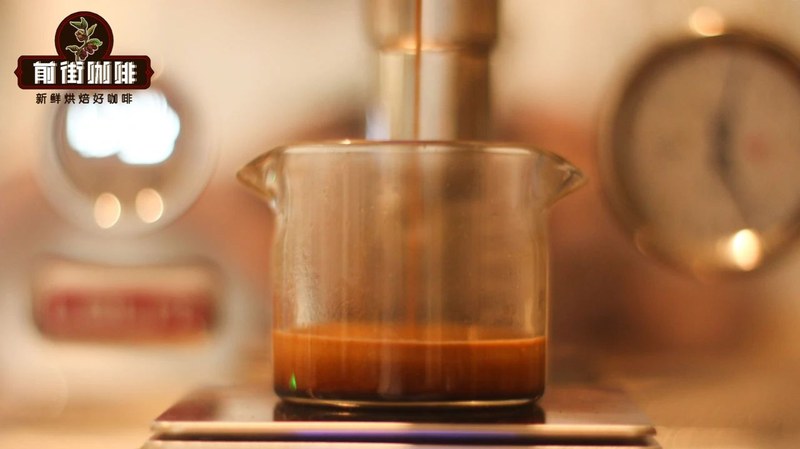
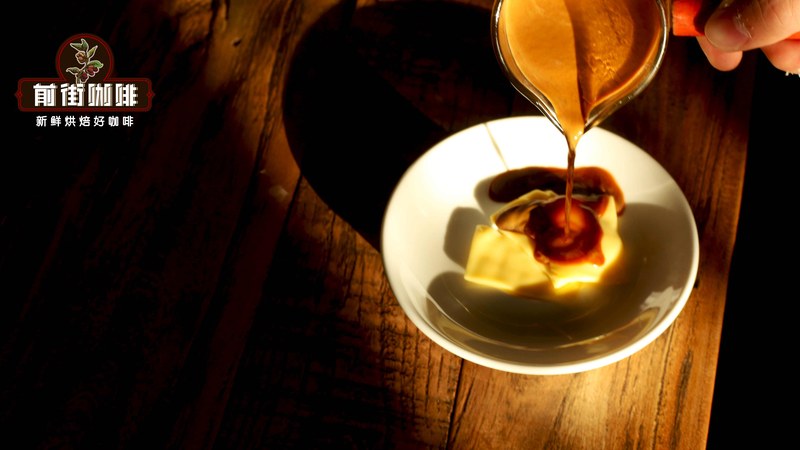
For making espresso with Yirgacheffe, the approach should shift from "clear aroma" to "sweetness after concentration." You can use 18 g of grounds and 36 to 40 g of liquid weight as a starting point, with an extraction time of about 28 to 33 seconds, and a finer grind than for pour-over. The water temperature can be set at 91 to 93°C, and pressure maintained near the common 9 bar of an espresso machine. With light-roasted beans, the resistance of the coffee bed changes quickly, so the evenness of distribution and tamping must be stable; otherwise the same bean will perform inconsistently, sometimes strong and sometimes weak.
If the espresso tastes sharply sour and thin in texture, you can grind finer to lengthen the flow time, or narrow the liquid weight to about 36 g to concentrate sweetness. If a grape-skin-like astringency and obvious bitterness appear, grind slightly coarser, shorten the extraction, and if necessary lower the water temperature by 1°C. To make an Americano, first use a shorter-ratio espresso then add water; to make a latte, you need to retain a higher concentration so that the fruity outline remains after milk is added.
When choosing a specific bean, you can consider the brewing method and room for adjustment together. For people who like floral and fruity aromas and are willing to observe temperature changes, light-roast Yirgacheffe pour-over is suitable; if you usually use an espresso machine, you can look for a batch with a slightly darker roast and more concentrated sweetness, and the parameters will be easier to stabilize. For the same bean, first record water temperature, dose, liquid weight and time, then gradually revise based on acidity, sweetness, bitterness and mouthfeel; after a few brews you can find your own delicious range.
Related Reading


Comments (0)
Loading comments...
You May Be Interested


Trending Reviews
Popular Videos

With you, wherever you are! We provide useful features to help you find new things you'll love






