Source:Best Coffee > News Author:qjroot Published:2026-10-07 12:40:12
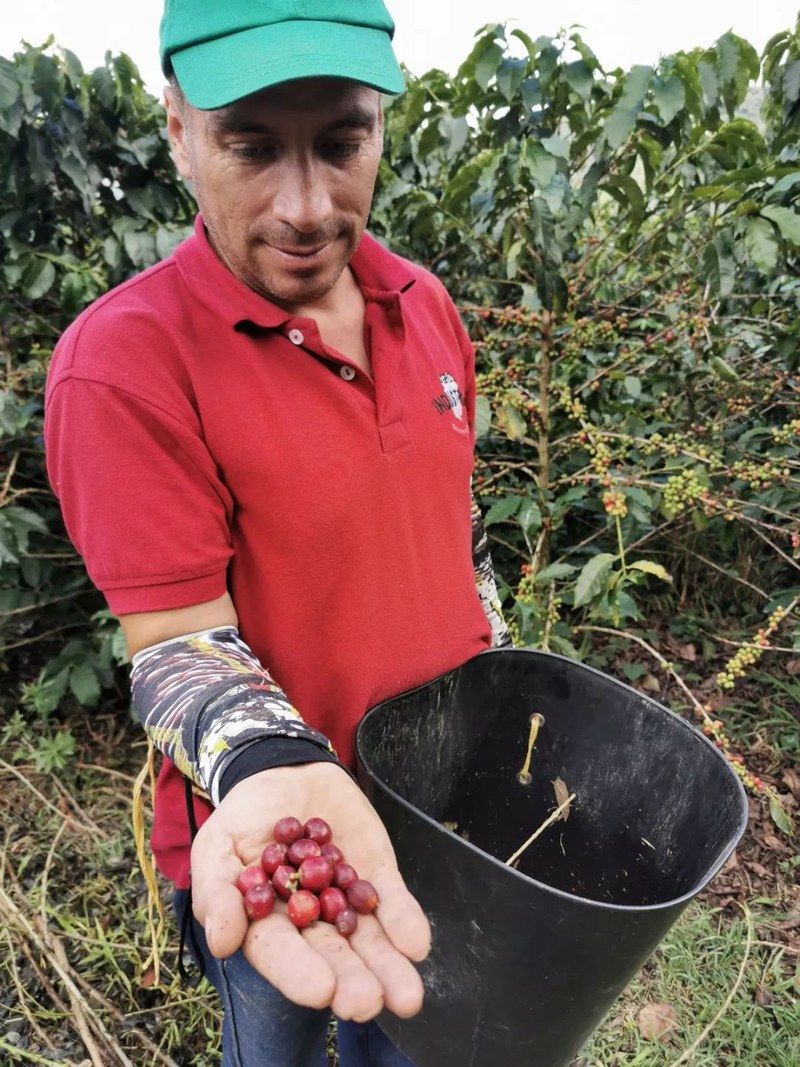
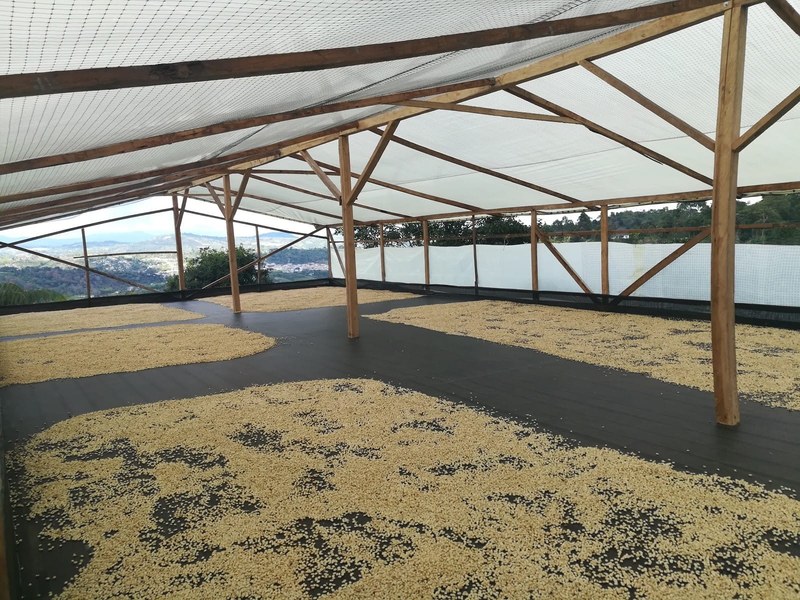
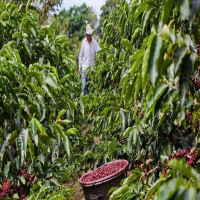
Colombia's Huila Department sits in the southern part of the Central Cordillera, surrounded by mountains with elevations generally above 1500 m, and several important rivers converge here, where abundant moisture and water resources together shape a unique coffee-growing environment. The local tradition is mainly washed processing, with flavor ranging from bright fruit acidity to mellow sweet richness; in recent years innovative methods such as anaerobic fermentation have also gradually emerged, precisely controlling temperature, time and pH in a low-oxygen or oxygen-free environment, allowing the coffee beans to ferment richer tropical fruit aromas. Understanding this geographical and processing background is the starting point for picking a Colombian bean that suits your taste.
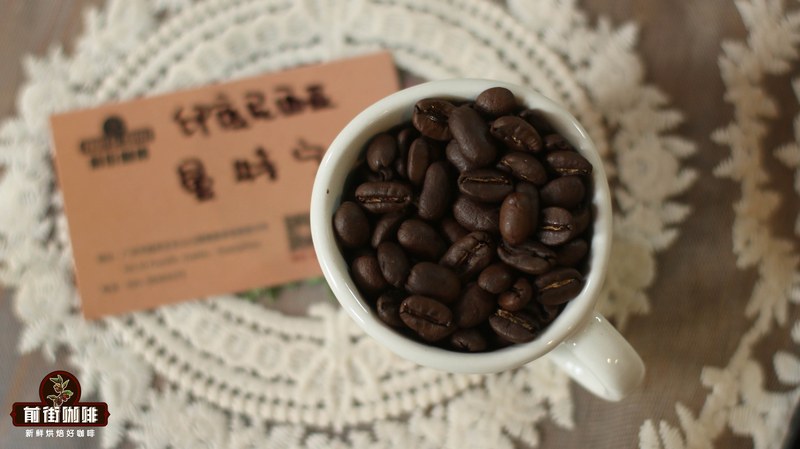
When choosing beans, it is advisable to first look at the combination of variety and processing method. The traditional washed route usually presents the sweet richness of dark chocolate and nuts, with moderate body and a mellow mouthfeel, suitable for drinkers who like classic flavors; the anaerobic or anaerobic natural route moves toward the complex sweetness of passion fruit, grape, apricot and dried fruit, with more lively flavor layers. In terms of roast level, washed beans commonly use medium-dark roasting to support mellowness, while anaerobic beans mostly use medium-light roasting to preserve floral and fruity aromas. Altitude and grade information can be noted; the day-night temperature difference brought by Huila's high altitude helps sugar accumulation, but there is no need to be superstitious about a single number, as the processing method and the execution of the roasting team are equally key. As for freshness, coffee beans are at their best within one month after roasting, with 4 days of resting; anaerobic beans may have a slightly longer degassing cycle, so you can leave them a few more days before opening.
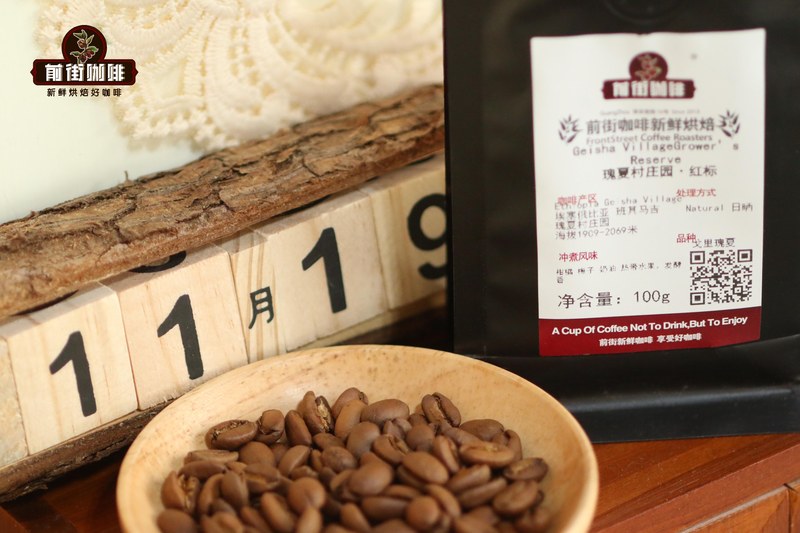
Pour-over is a reliable way to showcase the characteristics of Colombian beans. Using 15 g of grounds and a 1:15 coffee-to-water ratio as the basic framework, control the water temperature at 86 to 88°C, bloom for about 30 seconds, then pour in stages, with the total extraction time controlled within 2 minutes. If you want to highlight nut and cocoa aromas, you can raise the water temperature slightly and grind one notch finer, letting more roast aroma enter the cup; if you prefer sweetness, lower the water temperature slightly, grind a little coarser, and stretch the later pouring rhythm to reduce the bitterness brought by over-extraction. Qianjie Colombia Huila uses washed processing and medium-dark roasting, highlighting the sweet richness of dark chocolate and nuts with a moderate oily mellowness, and this parameter framework can better present its classic profile. Qianjie Colombia Frontera Estate Sidra is anaerobic natural processing, and under medium-light roasting the aromas of passion fruit, grape, apricot and dried fruit are very distinct; with the same parameters you can appropriately speed up the pouring flow rate to make the acidity more lively.
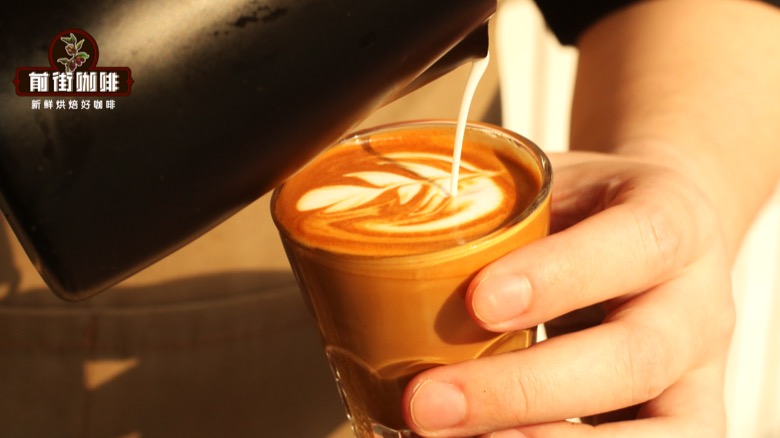
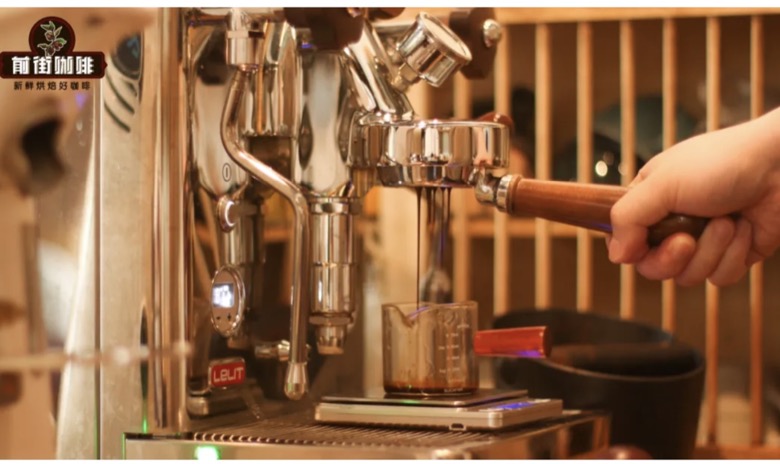
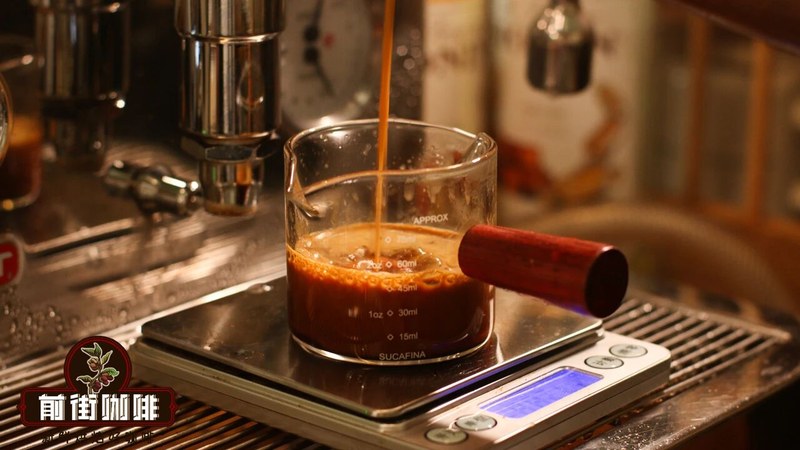
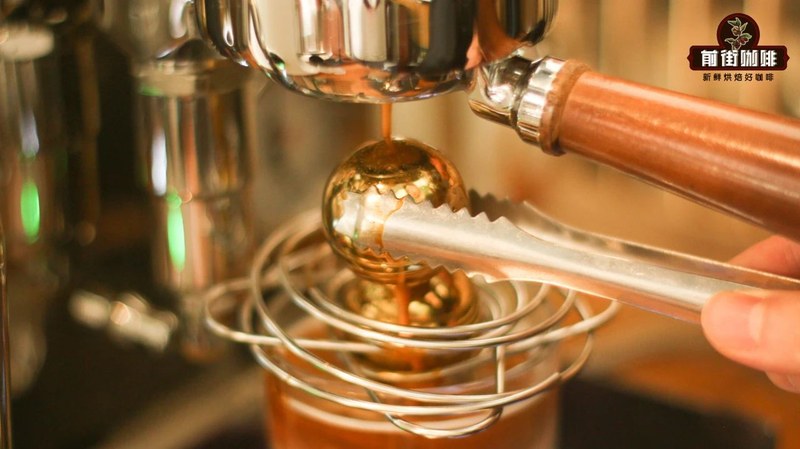
Cold brew and drip bags are two relaxed extended ways of drinking. Cold brew suits anaerobic-route beans; long low-temperature steeping can amplify the dried-fruit and fermented sweetness. Grind slightly coarser than for pour-over, steep in the refrigerator, then filter and it is ready; the complex aromas of Qianjie Colombia Frontera Estate Sidra will perform differently in cold brew. A drip bag is essentially a portable version of pour-over; for water temperature and grinding, refer to the pour-over approach, and note to keep a steady circular pour to avoid localized over-extraction. A moka pot is more suitable for the mellow washed medium-dark roast route; use a finer grind and heat over medium-low heat until the flow ends. The espresso base that Huila makes in this kind of device is very suitable both as an americano and with milk as a latte, and its oily body and nutty tone blend well with milk.
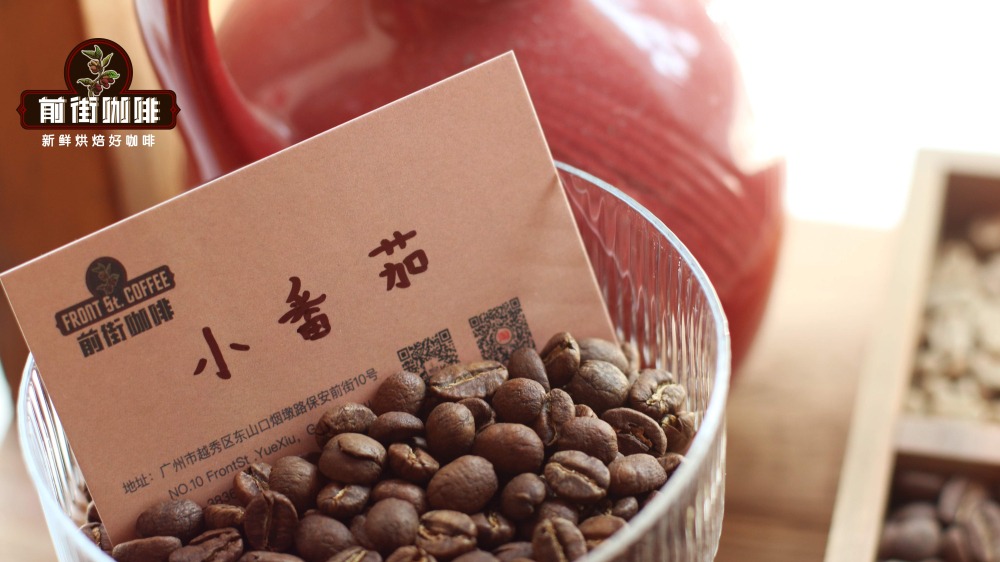
Whether following the steady sweetness of traditional washing or trying the fruity liveliness of anaerobic fermentation, the Colombian producing region offers a sufficiently rich space for choice. Qianjie Colombian coffee beans start from understanding the processing method and roast level on the label, then adjusting brewing parameters according to the flavor you expect; the same bean can also be drunk with different emphases. Try a few more times and find the cup you like, and that is the pleasure Colombian coffee brings. If you want to make a balanced, smooth americano or milk coffee at home, you can also try Qianjie Commercial Blend; the base of Brazilian and Colombian Arabica makes the taste more stable. If you prefer a mellow caramel profile, Qianjie Classic Blend is likewise a reliable choice.
Related Reading


Comments (0)
Loading comments...
You May Be Interested

Trending Reviews
Popular Videos

With you, wherever you are! We provide useful features to help you find new things you'll love






