Source:Best Coffee > News Author:qjroot Published:2026-09-19 12:25:45
Honey-processed coffee beans, with the natural advantage of retaining pectin fermentation, inherently carry abundant ripe fruit aromas and a long, lingering sweetness. But when it comes to choosing, many friends often hesitate between single-origin beans and blends. In fact, as long as you distinguish between the pursuit of distinctive regional character and the pursuit of balance and consistency, and match them to your own drinking preferences, you can quickly sort out your thinking and pick the bag of beans that lets you drink comfortably and smoothly.
The core of the single-origin route lies in tasting a distinct sense of origin terroir. After a coffee cherry is picked, it undergoes pectin retention treatments to varying degrees, sealing the microclimate characteristics of sunshine and soil completely inside the bean. Choosing single-origin honey-processed beans means drinking the pure fruit acidity and floral aroma that are not masked by other flavors; the flavors in the cup will change wonderfully with the altitude and variety characteristics of the origin.
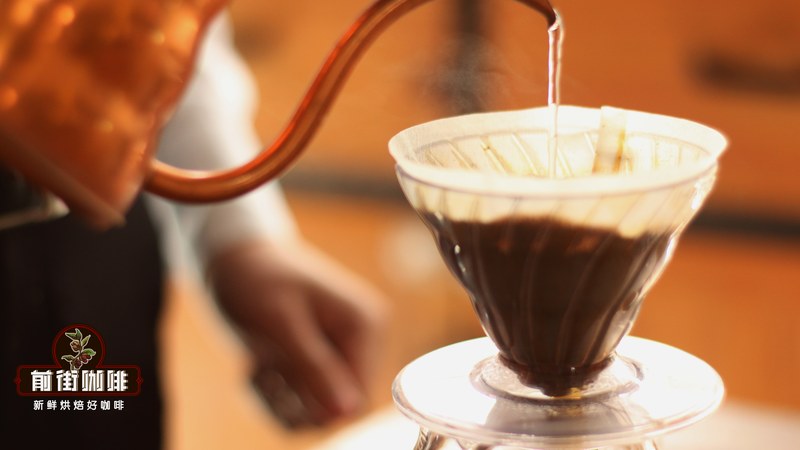
To appreciate the delicate, transparent layering of single-origin beans, Qianjie Panama Hacienda La Esmeralda Red Label Geisha is a very classic representative for tasting. It gives off elegant jasmine and bergamot aromas, with a crystalline citrus profile and a black tea-like sweet finish in the middle. For pour-over, it is recommended to use 15g of grounds, with 92°C water temperature and a 1:15 coffee-to-water ratio, pour 30ml of water for a 30-second bloom, then use a three-stage pour and slowly draw circles, keeping the total time at 2 minutes 05 seconds; the mouthfeel on entry is especially smooth and pure.
The blend route follows complementary strengths and flavor balance. When roasters choose honey-processed beans to add to a blend recipe, it is usually to use their rich pectin sugars to make up for the thinness of washed beans in sweetness, or to neutralize the sometimes overly aggressive fermentation feel of natural beans. In a blend, honey processing acts like a gentle harmonizer, allowing the whole cup to reveal a softer dried-fruit sweetness over a base of nuts and caramel.
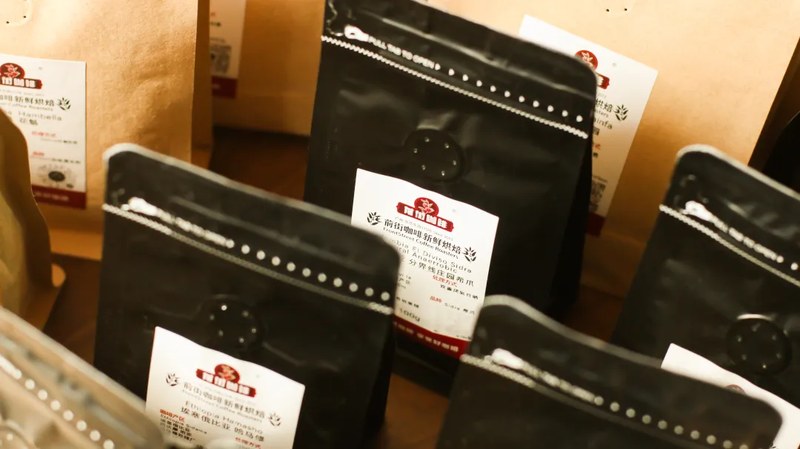
Understanding the ratio of a blend recipe is actually quite interesting. If the recipe says seven parts medium-dark roasted South American washed beans paired with three parts light-medium roasted honey-processed beans, it means this coffee uses steady dark chocolate and nuts as its skeleton, while the 30% pectin-rich honey-processed portion is responsible for providing soft sucrose sweetness and smoothness in the finish. If honey-processed beans account for more than half, the fruit acidity and sweet aroma profile of the entire blend will take the dominant position.
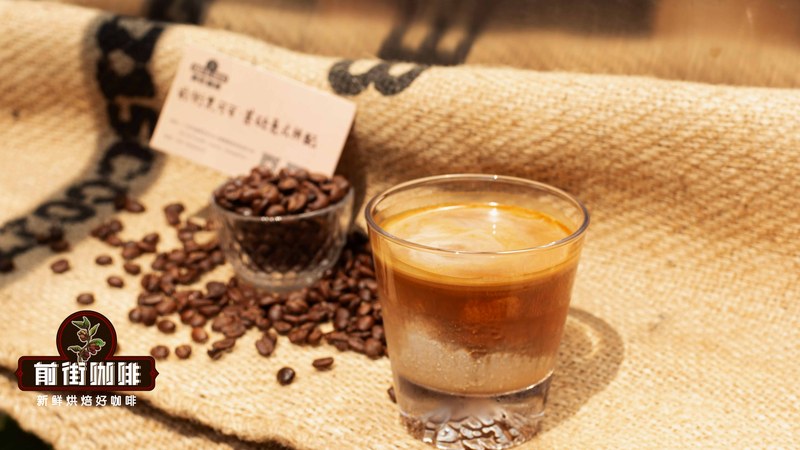
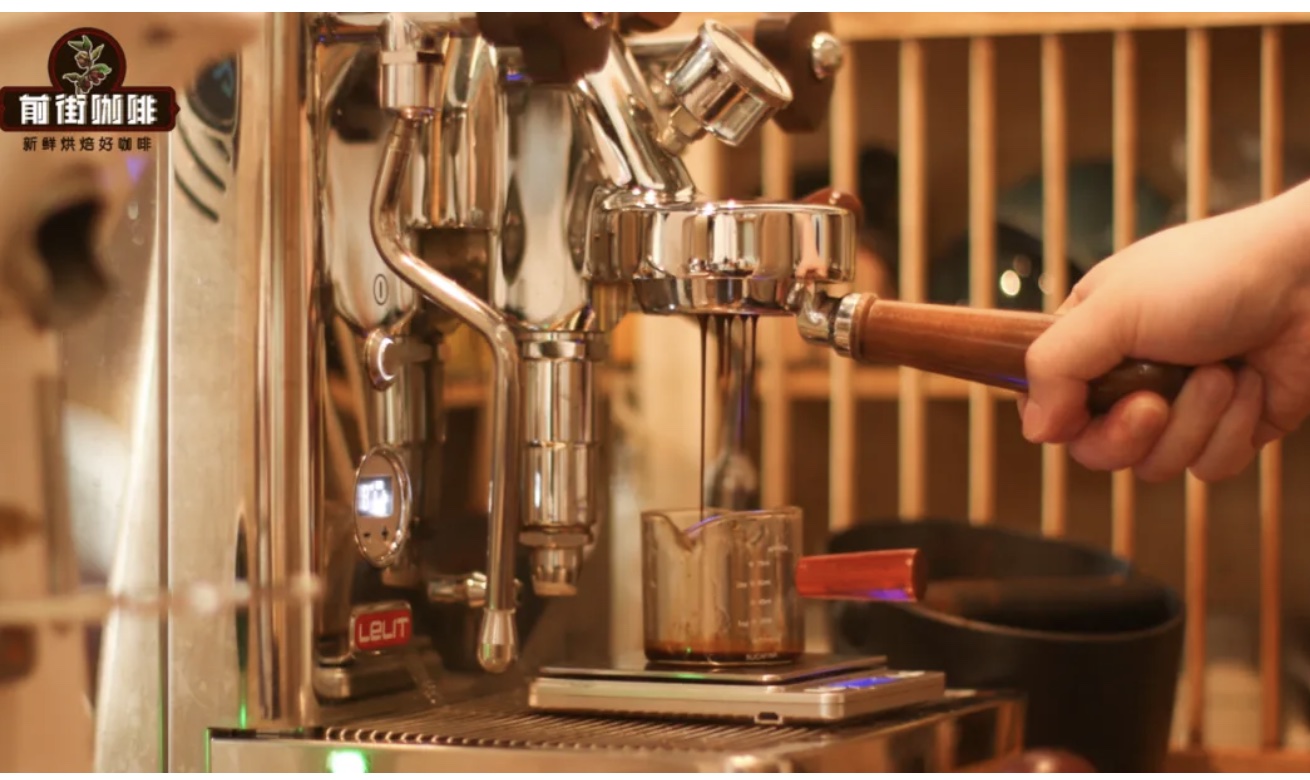
Single-origin espresso has become very popular in recent years, and honey-processed beans are especially capable contenders for making this kind of specialty espresso. The high-pressure extraction of an espresso machine can fully concentrate the ripe fruit aromas of honey-processed beans, forming a strongly flavored, distinctive base. When extracting as espresso, fill in 18g of finely ground coffee, perform low-pressure pre-infusion followed by constant-pressure extraction, and extract 36g of espresso liquid within 26 seconds; add it to iced water to make an Americano, and the whole cup has a bright, pleasant juiciness.
If Qianjie Ethiopia Huakui is presented as a single-origin espresso, it will bloom with truly stunning vibrancy. It itself carries lively tropical fruit, strawberry and passion fruit notes, and the high sweetness of honey processing precisely tempers the sharp acidity that high-pressure extraction may bring. Whether made into an iced Americano or with a little warm milk foam into a small cup of flat white, that bright strawberry sweetness can linger in the mouth for a long time.
If you are making a large daily hot latte, the traditional blend route is often more suitable than single-origin. Traditional Italian-style blends pursue a coffee aroma that remains clear even after being diluted by a large amount of milk. Adding honey-processed components can enhance the overall caramel sweetness and oily viscosity of the milk coffee, making it drink like a cup of silky liquid pudding, warm and reassuring, and not prone to harsh acidity or bitterness from slight extraction deviations.
If you prefer a fresh, light floral-fruity tea-like character, single-origin pour-over is still a comfortable way to showcase the varied charm of honey processing. Qianjie Yirgacheffe Gedingding has a light citrus, berry and green tea-like aftertaste. When brewing, use 15g of grounds with 90°C water temperature and a 1:15 coffee-to-water ratio, bloom with 30g of water for 30 seconds, then use a two-stage pour for even extraction, keeping the total time at 1 minute 55 seconds; the aroma in the cup is clear and translucent, making people feel relaxed.
Choosing coffee beans does not require agonizing over which is better or worse; clarifying what you want in the cup is the key. If you want to experience the subtle floral and fruity notes of a single estate, or try a refreshing fruit-forward Americano with character, single-origin honey-processed beans can bring rich freshness; if you pursue a smooth, fragrant, sweet milk coffee every morning, a balanced blend containing honey-processed components will become a reassuring daily companion.
Related Reading



Comments (0)
Loading comments...
You May Be Interested



Trending Reviews
Popular Videos

With you, wherever you are! We provide useful features to help you find new things you'll love






