Source:Best Coffee > News Author:Best Coffee Published:2024-07-20 10:30:47
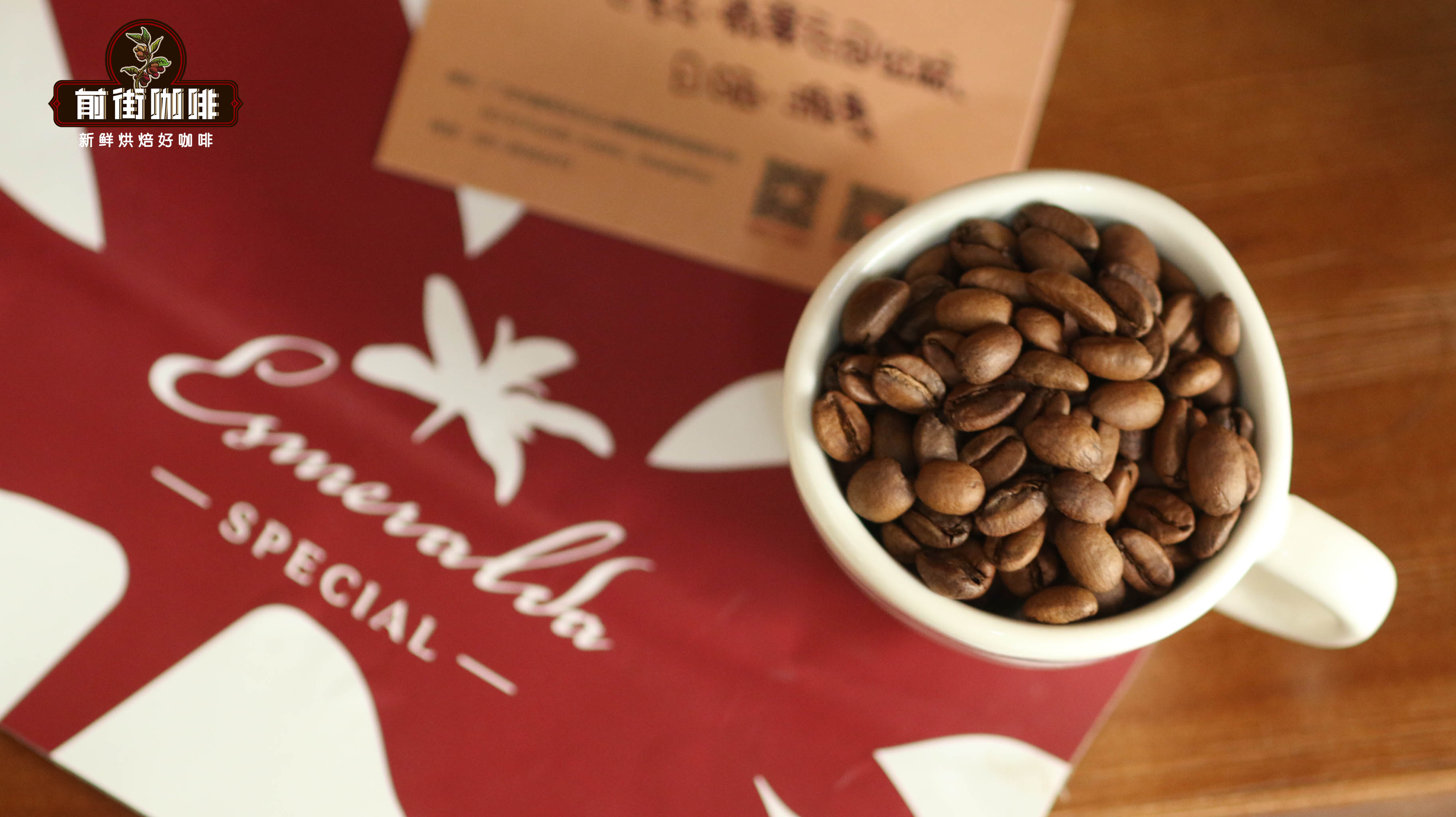
Geisha is the champion among coffee varieties. Whether in terms of flavor or cup quality, it captivates deeply, which is one of the reasons why Geisha coffee is so unforgettable and renowned.
Geisha grows in the Gesha region of southwestern Ethiopia, hence its name. However, it was in Panama’s Jade Mountain Estate Geisha Coffee that it was discovered for its aroma. Therefore, in the narrow sense, Geisha refers to the variety first isolated at Panama’s Jade Mountain Estate, while in the broad sense, Geisha coffee refers to the coffee variety grown (or discovered) in Ethiopia’s Gesha region.
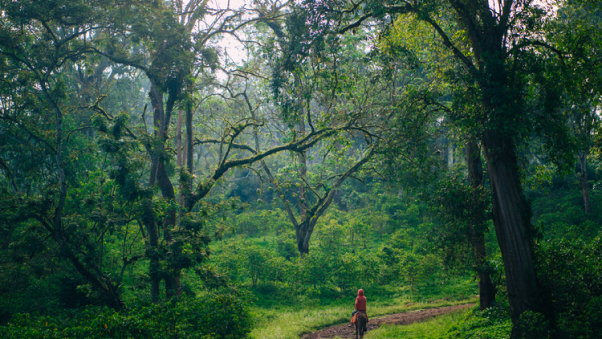
Geisha, pronounced similarly to the Japanese word for geisha, is also nicknamed “Geisha Coffee.” Compared to Jamaica Blue Mountain, Hawaiian Coffee, and Sumatra Mandheling, Geisha coffee boasts richer and more diverse floral and fruity aromas, with distinct layers of intense tropical fruit sweetness. In the eyes of coffee enthusiasts, Geisha is undoubtedly a well-deserved queen, captivating many with her bright, complex floral and fruity notes, multi-layered high sweetness fruit profiles, and delicate bright acidity.
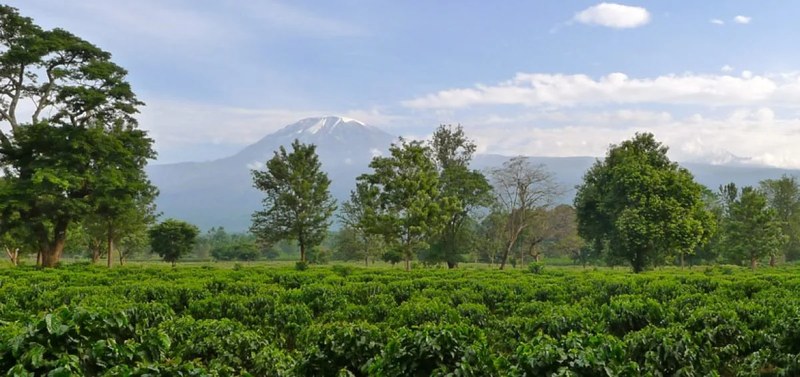
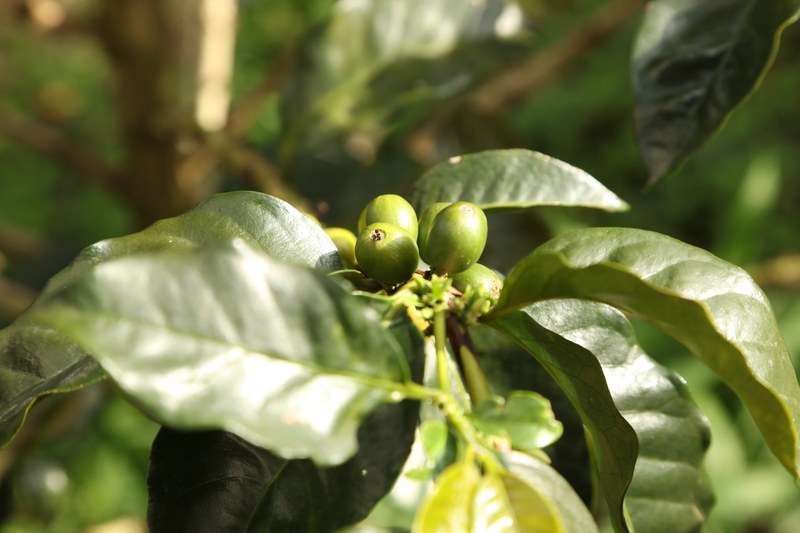
The Geisha variety requires cultivation at higher altitudes. In Panama, the best Geisha is grown above 1,700 meters, with some estates like Elida Estate planting it between 1,700–1,950 meters. Its yield is extremely low. What truly fascinates is the uniquely alluring cup profile of Geisha, which is the most important reason for its exceptional value. Geisha must be harvested at the optimal ripeness and processed immediately afterward. Compared to other coffee varieties, Geisha coffee beans have an extremely thin leaf system, meaning their photosynthetic efficiency is far lower than other varieties. Most importantly, its root system is also fragile, reducing water and energy intake. A single Geisha coffee tree produces only half the yield of a Catuai tree.
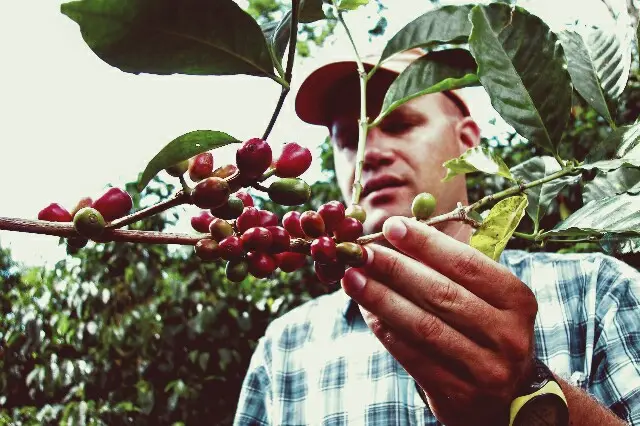
Geisha was first discovered in the Gori Gesha forest. It rose to fame at the 2004 Panama Coffee Competition, but it’s a story of an outsider prince successfully becoming the new king. The Geisha coffee plant was discovered in Ethiopia, then transferred via Kenya’s coffee research institute to many African countries such as Uganda and Tanzania, where it was never given much attention and was only used for research purposes.
Later, when someone introduced Geisha to Costa Rica, through the connection of Don Pachi Estate, it made its way into Panama. Various estates had a few Geisha trees, as they were used as windbreaks for coffee plants—yes, you read that right, windbreaks. Moreover, Geisha trees have unstable yields and were often blended with regular coffee beans, never being a flagship offering. It wasn’t until around the 21st century that some estates discovered that Geisha actually had an exceptionally delicious flavor. Though pleased, they weren’t sure if this taste would appeal to discerning coffee lovers.

In 2003, Geisha won first place in the Best of Panama competition for the first time, produced by the renowned Jade Mountain Estate. Many baristas were astonished the first time they tasted Geisha, feeling as though they were witnessing a Cinderella story—the once unremarkable windbreak tree had transformed into a star coffee plant. In the decade that followed and up to today, Geisha has remained a top choice in major cuppings and coffee competitions, even surpassing the two star coffee beans, Blue Mountain and Caturra, to become the mainstream specialty product in the market.

The reason Geisha has won the love of coffee enthusiasts, in the view of Front Street, should be attributed to its difference from the traditional impression of strong black coffee—it’s more like a refreshing floral and fruity tea. With rich fragrances and complex fruit flavors, it evokes a series of unusual aromas. At different temperatures, one can feel its delicate texture and the burst of sweet and sour fruit flavors filling the entire mouth.
Geisha is a wild variety that has rapidly risen to prominence in just over a decade and has not yet been domesticated for commercial use. Seedlings cultivated from it may not maintain stable genetics, resulting in subtly different characteristics. Currently, the most famous Geisha-producing region is the Boquete area of Panama, a small town located at the eastern foothills of the Baru Volcano.
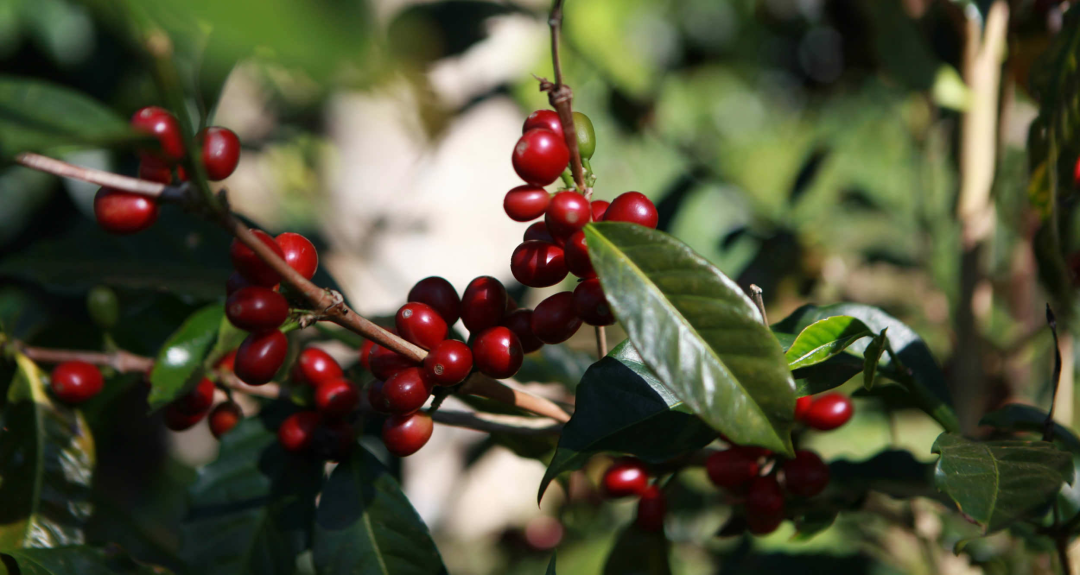
In the Boquete region, the most renowned Geisha coffee farms are the legendary Jade Mountain Estate (La Esmeralda), Elida Estate, and Panama NPGE Estate. Although Geisha is grown around the world, even in Taiwan, China, its flavor is not as astonishing as Panama’s—but it is still an outstanding coffee bean. Since coffee flavor is greatly influenced by the climate, altitude, and humidity of the growing region, different Geisha-producing areas offer varying cup profiles. Among them, Panama and Colombia’s Geisha coffees are the most famous. Panama’s coffee is renowned in the coffee world for Jade Mountain Estate’s Geisha, with its grades divided into Red Label, Green Label, and Blue Label.
Related Reading




Comments (0)
Loading comments...
You May Be Interested

Trending Reviews
Popular Videos

With you, wherever you are! We provide useful features to help you find new things you'll love






