Source:Best Coffee > News Author:qjroot Published:2024-11-25 13:13:57
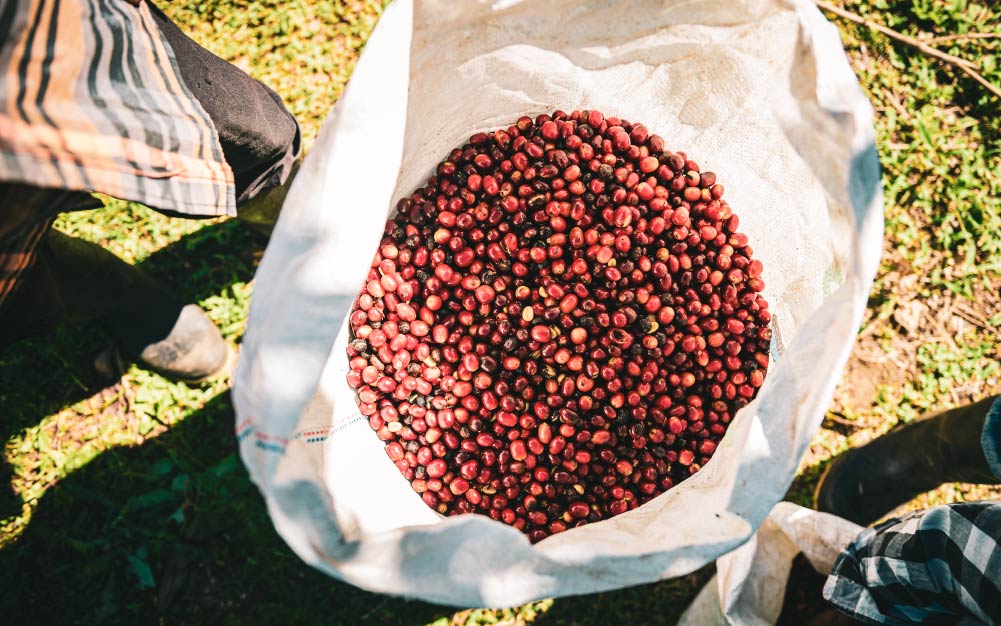
Compared with many coffee-producing countries in Central and South America, Colombia has a vast expanse of land that is "naturally" suited to growing coffee, and its abundant terrain forms diverse climate characteristics, providing ample innate conditions for producing high-quality Arabica coffee. Today, FrontStreet Coffee chats with you about Colombia's specialty coffee regions.
South America is located in the southwestern hemisphere and is the fourth-largest continent by land area. In the west of South America, it is mainly traversed by the Andes Mountains, so the west is mainly plateaus, hills and mountains, with numerous volcanoes, at elevations between 300-3000 m, while the east is mainly the vast Amazon River basin, with many rivers and gently undulating land.
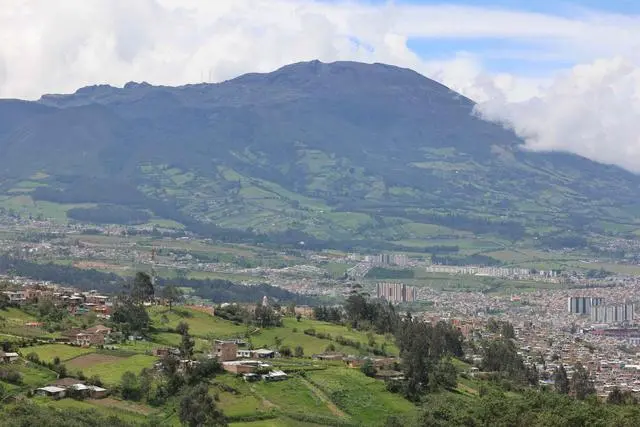
Most of South America has a tropical rainforest climate and tropical savanna climate, warm and humid, with an average temperature above 20°C, and the entire continent has abundant rainfall, with about 70% of the area receiving annual rainfall of 1000 mm. Having a suitable climate, appropriate rainfall, high-altitude mountainous areas and volcanic soil has made the continent's agriculture developed, and many countries grow coffee. Among them, Brazil's coffee production is the highest in the world, while Colombia, due to its unique terrain and climate characteristics, has also become the world's third-largest coffee-producing country.
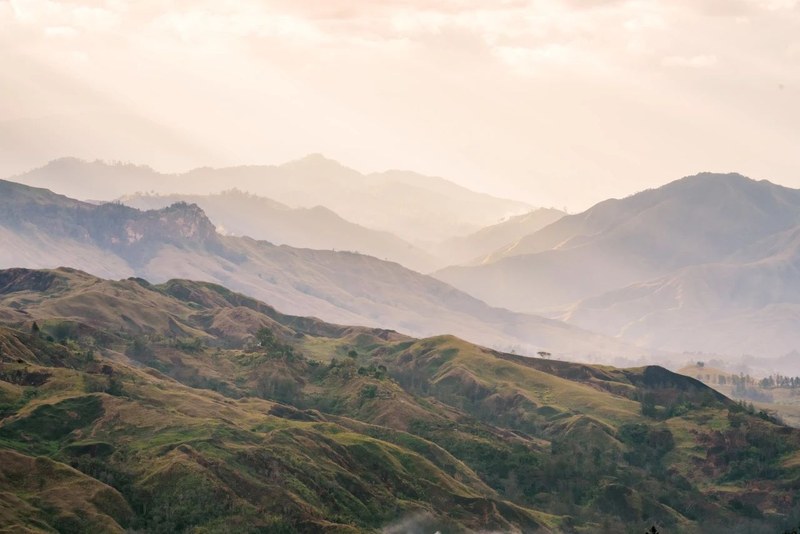
Colombia is located in the northwest of South America and is a country with both sea and land. The country's terrain is roughly divided into the western Andean region and the eastern plains region. Since the east is mainly plains with low elevations, coffee is all grown in the western Andes area. By checking the coffee map, FrontStreet Coffee found that the Andes Mountains are mainly divided into the Eastern, Central and Western Cordilleras. These mountain ranges have an average elevation above 3000 m and are full of volcanoes. Volcanic ash gives crops fertile soil, and coffee grows along the highlands of these mountain ranges.
Because Colombia is located in the tropics, the eastern plains and coastal areas have a tropical rainforest climate, while the northwest has a tropical savanna climate. However, in the mountains at elevations of 1000-2000 m, there is a subtropical highland climate. Thanks to the layered mountainous terrain, this place has complex and diverse microclimates, so Colombia has a harvest season all year round, with fruits maturing one after another at different times.
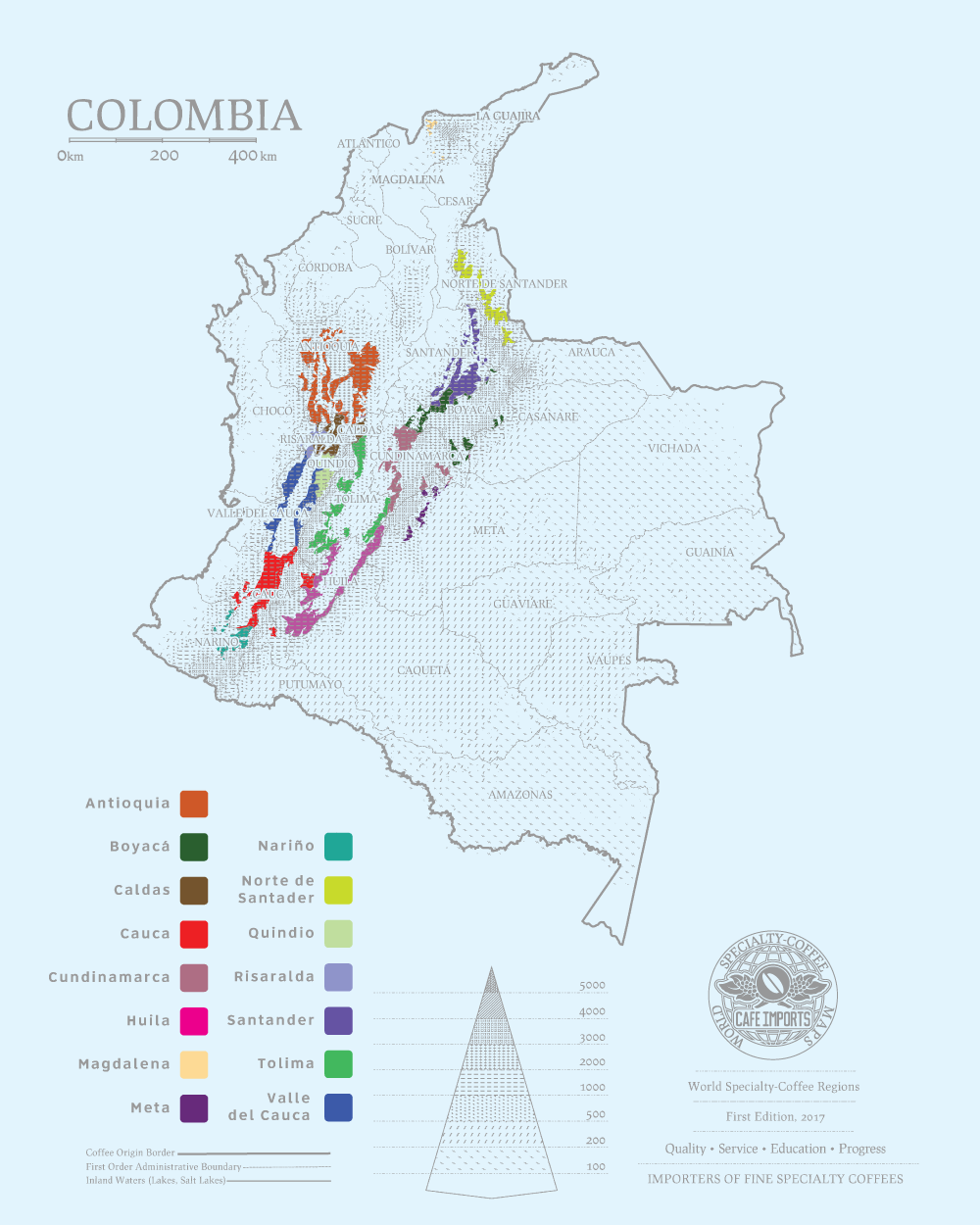
Colombia is vast in land and rich in resources, with 15 coffee-producing regions, all divided by province. The main coffee-producing regions are Cauca, Santander, Antioquia, Narino, Tolima, and Huila.
Among them, the most well-known is the Huila region (also called Huila), whose name comes from the region's well-known Huila Volcano, which is also the highest volcano in Colombia. This producing region is located in southwestern Colombia, in the valley between the Eastern Cordillera and the Central Cordillera. The canyon gives this place good protection, making the climate mild. In addition, the Magdalena River basin, Colombia's largest river, is here, with abundant water resources, absolutely making it an ideal coffee-growing area, so many well-known estates have also been produced here, such as El Diviso and El Roble.

Among FrontStreet Coffee's everyday-bean series, there is coffee from Huila, this well-known Colombian producing region, using the Caturra variety and processed by the washed method. After brewing, it has flavors of dark chocolate, nuts and caramel, with obvious sweet aftertaste and an overall balanced profile. When at low temperature, the coffee is accompanied by slight fruit acidity, very pleasant.
In recent years, Tolima, located in the central-western part of Colombia, has also gradually emerged. It is currently Colombia's third-largest coffee-producing region, and its coffee production accounts for 12% of Colombia's annual coffee production.
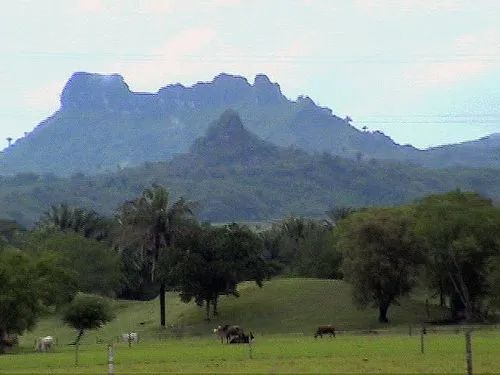
Tolima is adjacent to Huila and Cauca. Here, the Andes Mountains (M. Andes) and the Cordillera Mountains (M. Cordillera) run north-south, and between the two famous mountain systems is the Magdalena River (R. Magdalena) running from south to north.

The name Tolima comes from the earliest people who lived here, the "Pijao people." In the language of this ancient group (Pijao word), tolima means "snow-covered," "snowed." Farms in Tolima are generally slightly larger than farms in other southern Colombian producing regions, at about 10-15 hectares. Cooperatives are also common here, with farmers sending their small lots of coffee cherries to the cooperative's processing plant. Some farmers also choose to process it themselves, using their own small-scale processing facilities that can handle the amount picked that day.
Related Reading





Comments (0)
Loading comments...
You May Be Interested





Trending Reviews
Popular Videos

With you, wherever you are! We provide useful features to help you find new things you'll love






