Source:Best Coffee > News Author:qjroot Published:2026-10-09 10:19:13
At 3:17 in the afternoon, a third message notification popped up in the bottom right corner of the screen, the cursor blinked in the document for half a minute, and not a single word came out. At times like this, downing a cup of dark roast espresso is so bitter it makes you frown; ordering a fruit coffee is so sweet it cloys. Qianjie Natural Huakui Americano happens to sit right in the middle - floral notes float up, the fruit acidity is bright, and the finish still clings with a honey black tea-like sweetness. The secret to its lack of bitterness is actually hidden in the water temperature.
Light roast beans are like an impatient friend - you need a higher water temperature to wake them up. 90 to 93 degrees, hot water poured straight down, and only then will the floral and fruity aromas come out fully and completely. Medium-dark roast beans, on the other hand, are like a slow-warming person - 88 to 90 degrees is just right, and any higher and they bristle, with bitterness and woody astringency gushing out all at once. Qianjie Natural Huakui is a natural Sidamo G1, medium roast, with its own red wine acidity and cocoa sweetness, and its water temperature tolerance is especially good - both pour-over and espresso can keep it stable.
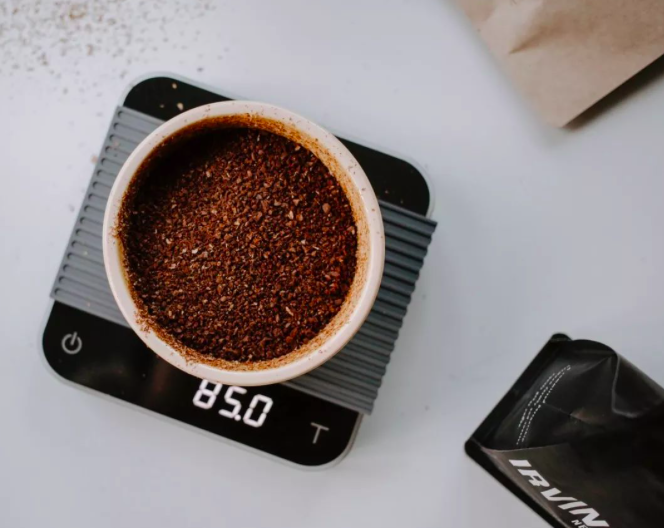
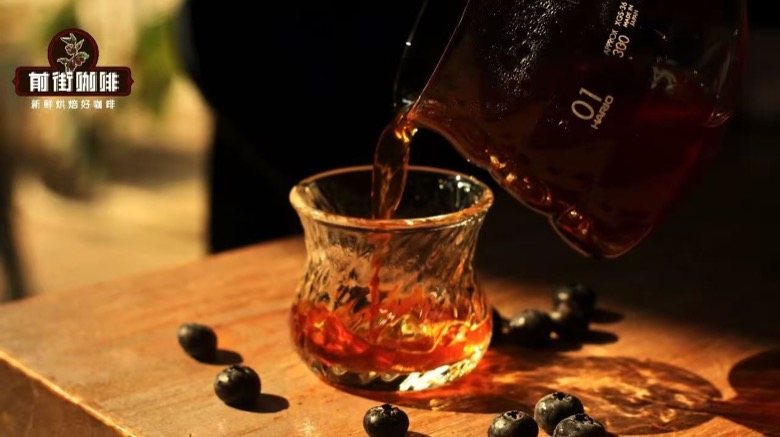
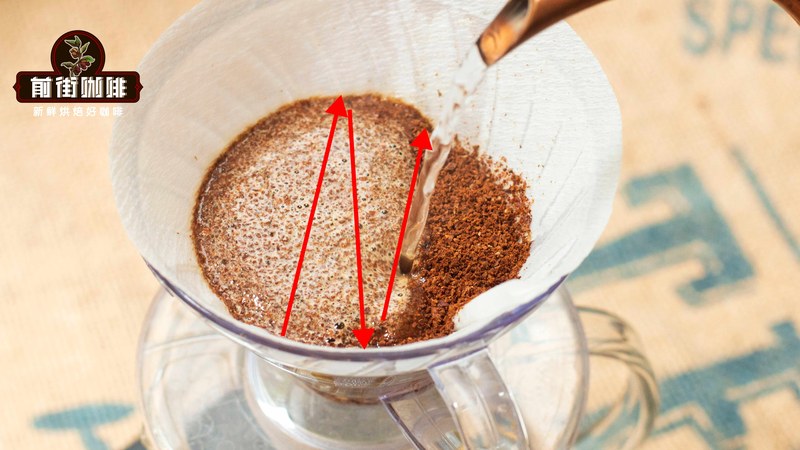
For pour-over Qianjie Natural Huakui I often use this set of parameters: 15 g of grounds, a 1:15 coffee-to-water ratio, for a total of 225 ml of water. First pour 30 ml of water in a circle and bloom for 30 seconds, watch the coffee grounds puff up like a little cake and then collapse, then pour the remaining water in two stages, keeping the whole process to around two minutes. At a water temperature of 92 degrees, what is extracted is the sweet-tartness of orange blossom, blueberry, and dried apricot, like holding a liqueur chocolate in your mouth, and only in the latter half does it melt into a black tea finish.
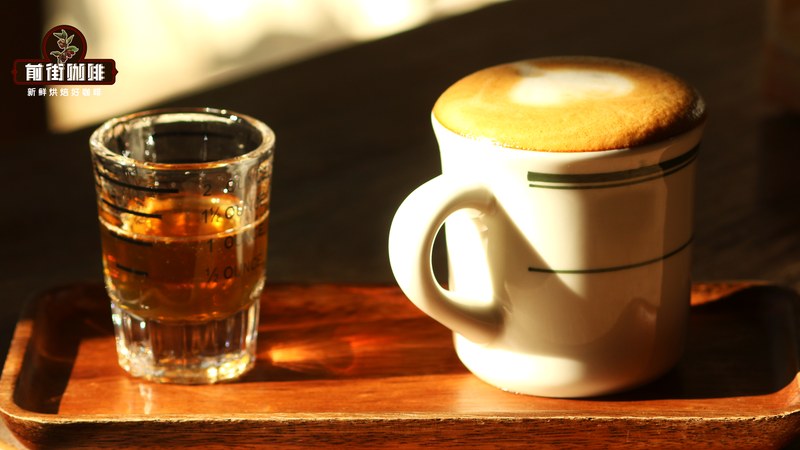
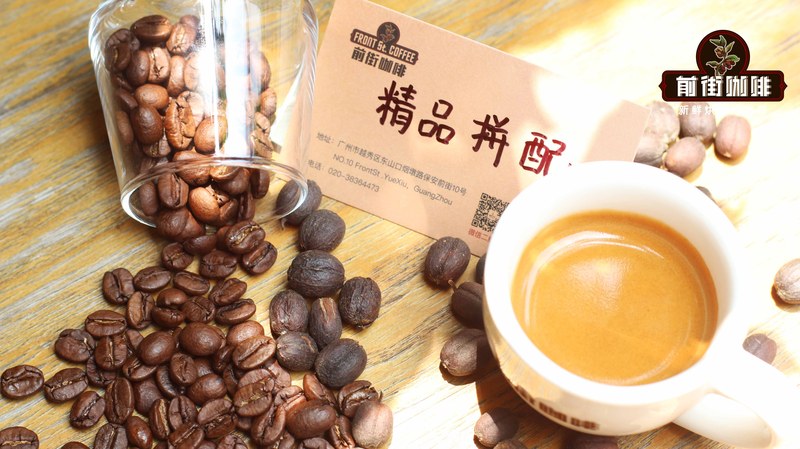
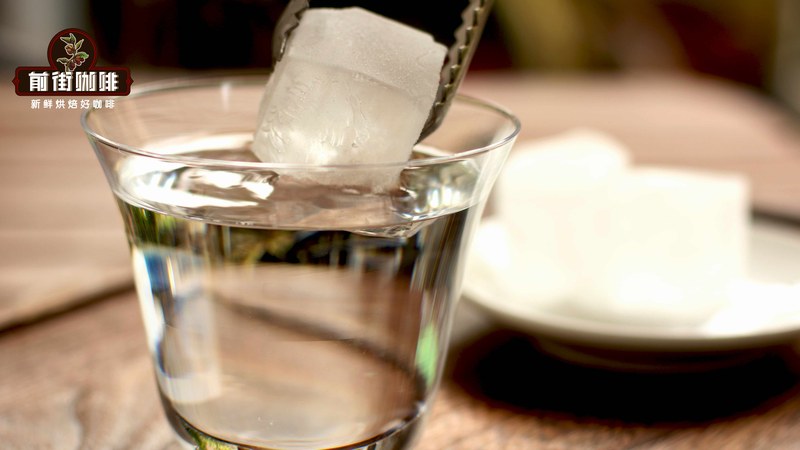
Making SOE Americano with espresso follows another logic entirely. Qianjie Natural Huakui uses traditional natural processing, and its body is a bit higher than Yirgacheffe, so it can withstand the high pressure of espresso. Weigh 18 g of grounds, extract 36 to 38 g of espresso, and keep the time to 25 to 28 seconds. Here we do not say pouring water, but high-pressure penetration; stop immediately when the crema is golden, then mix with 200 g of ice water at 1:5, and you have a refreshing cup of Qianjie Natural Huakui Americano. The aroma of orange blossom and citrus floats out first, then the mango juice-like texture slides down the throat, and the aftertaste is the sweetness of honey black tea, not bitter in the slightest.
A moka pot can play too. Pour 120 ml of water into the lower chamber, level the grounds in the basket without tamping, and heat over medium-low heat. The extraction time is one and a half to two and a half minutes; when you hear the gurgling become rapid, take it off the heat and let the residual heat push up the last bit of liquid. Brewing Qianjie Natural Huakui this way gives a fuller body than pour-over, the fruit acidity turns gentler, the cocoa sweetness floats up, and it is suitable for sipping slowly in winter at your desk while warming your hands.
When choosing beans you have to ask yourself: is your equipment's water temperature stable? If the espresso machine in the office has an aging boiler and the water temperature fluctuates, you have to pick beans with high tolerance. A natural Sidamo like Qianjie Natural Huakui can produce flavor from 88 degrees to 93 degrees, unlike some delicate beans that turn on you if it is off by two degrees. Qianjie Mandheling is better suited to a lower water temperature, around 87 degrees, so that the dark roast's herbal spice notes do not turn bitter. Qianjie Fruit Ding Ding, on the other hand, needs above 90 degrees to force out all the jasmine floral aroma and citrus acidity.
If the water temperature is too low, light roast beans easily turn sour and astringent, like biting into a green apricot; if the water temperature is too high, medium-dark roast beans turn bitter and woody, like chewing on a walnut skin. Qianjie Natural Huakui sits in the middle zone - the red wine sweetness brought by natural fermentation supports the acidity, and the cocoa sweetness holds down the bitterness, so the Americano comes out as balanced as a tightrope walker landing steadily.
In my desk drawer I always keep two kinds of beans: Qianjie Natural Huakui for Americano, and Qianjie Mandheling for milk coffee. Qianjie Natural Huakui is pour-over at 92 degrees, Mandheling is espresso at 88 degrees, and the two thermometers stuck on the kettle are even different colors. When a colleague comes over and asks why it is not bitter, I hand over the thermometer - the secret is here, the beans are only half, and the water temperature is the other half.
Today the cursor blinked for another 30 seconds, and I got up to get hot water. The 92-degree water rushed into the dripper, the orange blossom aroma spread past the partition, and the girl at the next desk poked her head over and asked what smelled so good. I said Qianjie Natural Huakui, and she asked if it was bitter. I shook my head and handed over half a cup - bright and sweet-tart, as if someone had gently lifted a corner of the 3 p.m. drowsiness.
Related Reading

Comments (0)
Loading comments...
You May Be Interested

Trending Reviews
Popular Videos

With you, wherever you are! We provide useful features to help you find new things you'll love






