Source:Best Coffee > News Author:qjroot Published:2026-09-12 12:06:23
The porous structure formed in coffee beans after roasting determines the speed at which water penetrates and soluble substances are extracted. Typically, espresso blends lean toward medium-dark roasting, with a loose bean texture that extracts easily; while single-origin beans used as SOE lean toward light-medium roasting, with a dense bean texture and a slightly slower release of flavor compounds. Understanding the physical differences between the two is the prerequisite for matching them with brewing plans.
When making espresso, blends are designed to emphasize solid notes of nuts, cocoa and caramel. It is recommended to use a water temperature of 92°C, dose 18g of coffee grounds, and use the standard 9bar pressure to extract 36g of coffee liquid within 26 seconds. This type of medium-dark roasted bean has a large surface area exposed to water; properly controlling the flow rate and water temperature can make the crema finer and fuller, effectively avoiding the burnt, dry sensation caused by over-extraction in the later stage.
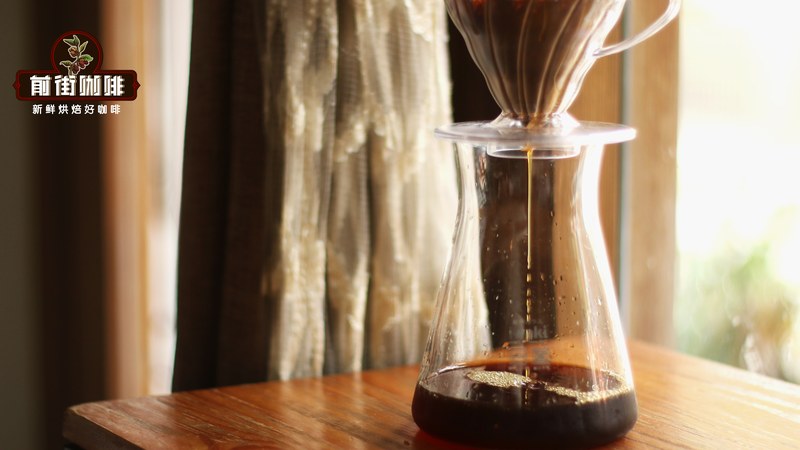
When blends are used for pour-over with a dripper, the brewing goal is to showcase their smoothness and warm sweetness. At this point, the grind size should be set to medium-coarse, using a water temperature of 90°C, 15g of coffee grounds, and pouring 225ml of hot water. Use a two-stage pouring method: first pour 30ml of water and bloom for 30 seconds, then steadily and slowly pour water to 225ml and stop, with the total brewing time controlled at 1 minute 50 seconds, giving a clean and soft cup.
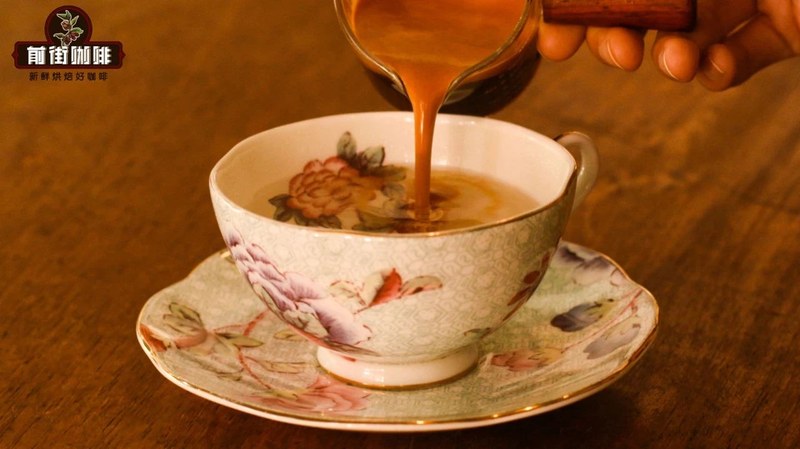
The core of single-origin espresso SOE lies in amplifying the regional flavor of the origin. Light-medium roasted beans absorb water more slowly, so the brewing parameters should focus on improving extraction efficiency. It is recommended to use a water temperature of 93°C, an 18g dose ground slightly finer, and under 9bar pressure extend the extraction time to 30 seconds, extracting about 42g of espresso. A slightly higher brew ratio can fully unfold the bright fruit aromas and delicate sweetness in the beans.
If you are looking for a choice between SOE and pour-over that balances rich fruit aromas, Qianjie Ethiopia Huakui is a very representative bean. This naturally processed coffee bean contains sweet aromas of tropical fruit and strawberry; the lively acidity and full ripe fruit sweetness complement each other, and whether made as a fruity espresso or a pour-over drip, it has extremely high recognizability.
When making a pour-over of Qianjie Ethiopia Huakui, it is recommended to use a water temperature of 91°C, a 15g dose, and pour 225ml of hot water at a 1:15 ratio. Use a three-stage pouring method: bloom with 30ml of hot water for 30 seconds, then slowly pour in circles up to 130ml in the second stage, and after the liquid level drops slightly, perform the third stage of pouring to top up to 225ml, with the total time controlled at 2 minutes 05 seconds, giving distinct layers of floral and fruit aroma and sweetness.
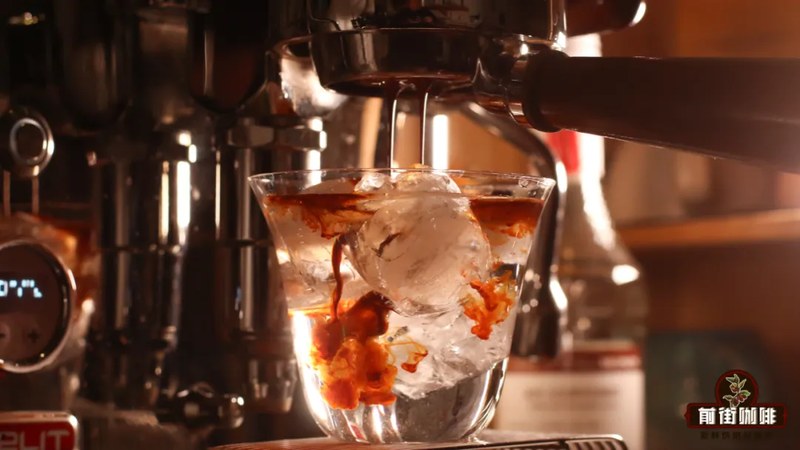
If you like a full juicy texture and bright flavors, Qianjie Kenya Little Tomato shows a distinct regional character. It carries dark fruit notes like cherry tomato and smoked plum, with a yellow sugar-like sweetness in the finish; the body and fruit acidity interlock tightly, making it not only suitable for a refreshing hot pour-over, but also excellent as a base for iced coffee extraction.
When brewing Qianjie Kenya Little Tomato, you can use a water temperature of 90°C to temper the bright acidity, take 16g of coffee grounds, and set the total water amount at 240ml. Use a three-stage pouring method: bloom with 40ml of water for 30 seconds, then steadily pour to 140ml, and in the final stage pour at a uniform speed to 240ml and stop, with the total drip time through the dripper at 2 minutes 15 seconds, giving a mouthful full of juiciness and a lingering sweetness.
If you prefer light floral notes and a fresh tea-like sensation, Qianjie Yirgacheffe Gudingding is a light-roasted single origin worth trying. This bean gives off fresh citrus and berry fragrances, accompanied by soft white floral aromas and a green tea-like sweet aftertaste; the flavor is transparent and pure, with a delicate response to brewing water temperature and pouring agitation.
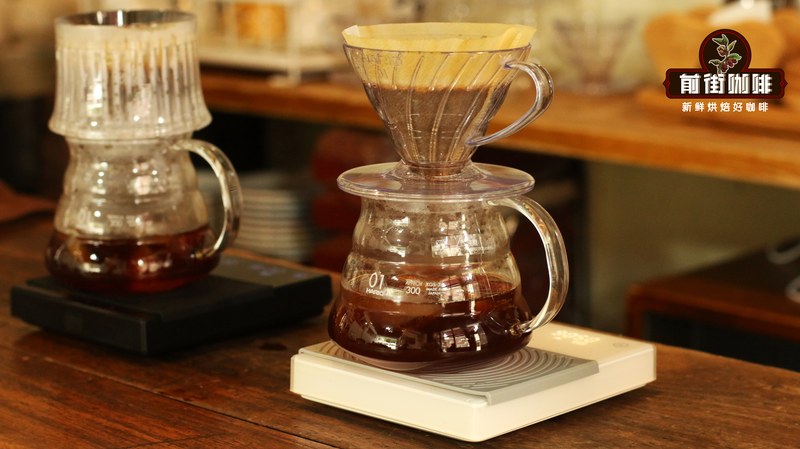
For a pour-over of Qianjie Yirgacheffe Gudingding, it is recommended to use a water temperature of 92°C to bring out the floral notes, use 15g of grounds, and set the total water amount at 230ml. Use a two-stage pouring method: first bloom with 35ml of water for 35 seconds, then use a fine stream to slowly pour in circles from the center outward, filling to 230ml in one go, with the total extraction time controlled at 1 minute 55 seconds, fully extracting the brisk citrus notes and tea-like charm.
When buying coffee beans, it is quite reliable to decide the roasting direction based on the grinder and temperature control you have on hand. Blends are highly tolerant of equipment and easy to dial in for a rich, sweet, mellow base; while SOE and light-roasted single origins require more precise water temperatures and staged extraction. Match the parameters to your own brewing habits, and every bag of coffee can present a full and captivating cup flavor.
Related Reading



Comments (0)
Loading comments...
You May Be Interested

Trending Reviews
Popular Videos

With you, wherever you are! We provide useful features to help you find new things you'll love






