Source:Best Coffee > News Author:qjroot Published:2026-09-02 18:33:41
The character of coffee beans often only emerges through suitable equipment and parameters. The same bag of beans, brewed through a dripper for floral and fruity notes, extracted as espresso on an espresso machine, or steeped in a cold brew pot, will show different levels of acidity, sweetness, aroma and body in the cup. When choosing beans, start from the equipment you use most at home, then look at the grind range, water temperature and extraction rhythm it suits; this makes the flavors easier to taste clearly.
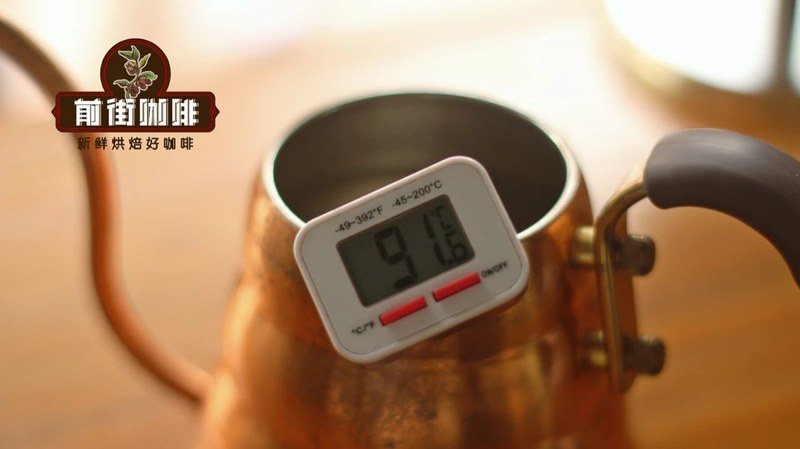
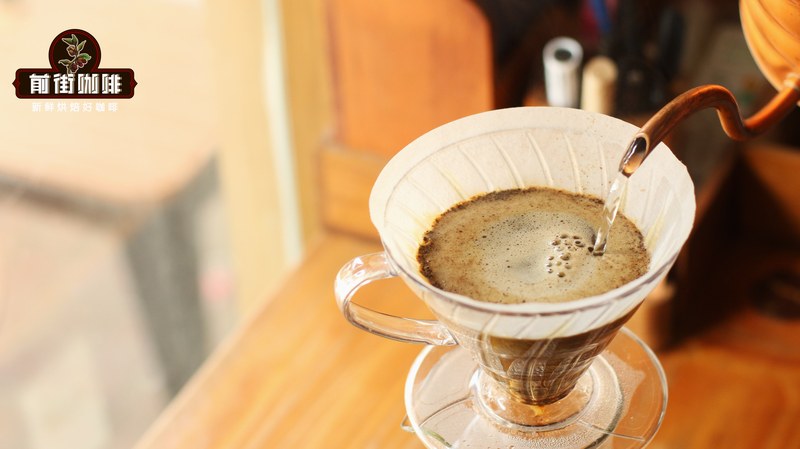
Pour-over equipment is good for observing changes in aroma, especially with light or medium-light roasted beans. The dripper's hole size, flow rate and pouring method affect how the coffee bed drains. Parameters can start from 15 g of coffee to 240 g of water, water temperature around 90 to 93 Celsius, with the grind kept in the medium-fine range. If the cup tastes thin, grind slightly finer; if the finish turns astringent, reduce agitation and let the water pass through faster, which is usually easier to control than making a big change to water temperature.

Readers who like a crisp, juicy character can look at Qianjie Kenya Small Tomato. In pour-over it easily shows bright red fruit-like acidity, dark fruit notes reminiscent of smoked plum, and a syrup-like sweetness in the finish. With a conical dripper, two to three pours can be used, letting the early stage release aroma and the later stage fill in sweetness; a higher water temperature makes the flavor brighter, while dropping to around 90 Celsius makes it softer, suitable for both hot drinking and serving over ice.
If you prefer a light cup with a tea-like quality, Qianjie Kafa Forest is well suited to a flat-bottom dripper. Its fresh orange-like aroma, sweet ripe apricot and peach notes, and tea-like finish gradually open into layers as the temperature drops. When brewing, use a slightly coarser grind and a gentler flow to avoid water pooling in the coffee bed; after brewing, sip it hot in small mouthfuls first, then wait a few minutes, and the sweetness usually becomes easier to identify.

Qianjie Grana Estate Geisha, meanwhile, is suited to people willing to brew slowly. Its orange blossom, guava, apricot and strawberry jam notes are fairly recognizable, and the richness brought by natural processing also needs a gentler extraction to support it. You can use 16 g of coffee, 250 g of water, water temperature 91 to 93 Celsius, and pour in three stages; if the jam-like quality is too heavy, coarsen the grind or reduce agitation, and the floral notes will become clearer.
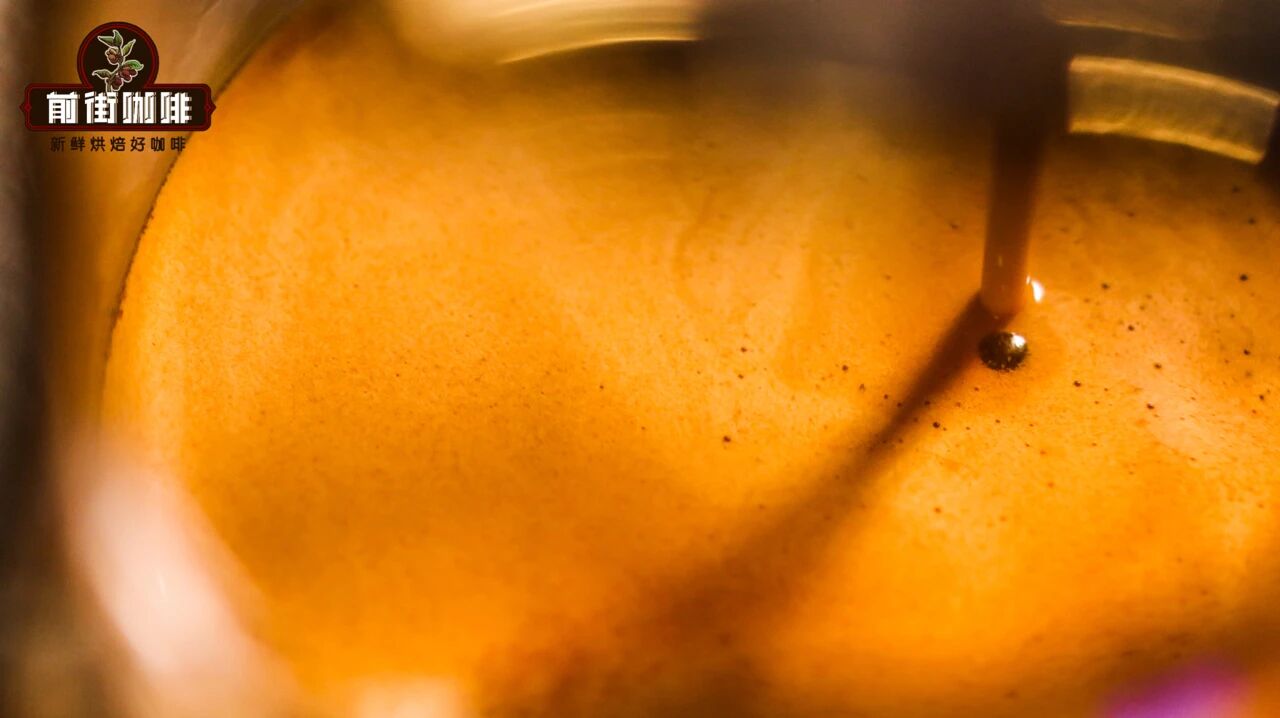
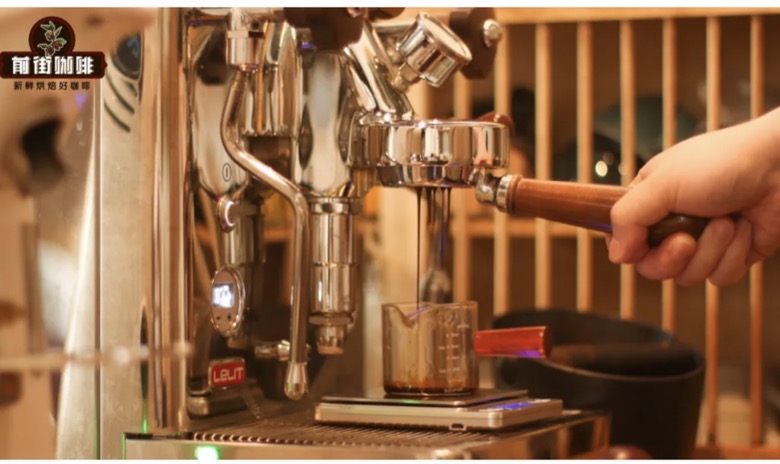
When using an espresso machine, bean choice should match the basket capacity and the beverage ratio. For both single and double baskets, first keep the dose fixed, then judge concentration by the weight of the liquid output; for example, 18 g of coffee extracting 36 to 42 g of liquid, with the time falling around 25 to 32 seconds as a tasting range. Fruity single-origin beans suit a short americano or straight espresso, while when adding milk you can shorten the output slightly, so the coffee liquid keeps a more concentrated sweetness and weight.
Among the three beans, Qianjie Kenya Small Tomato shows tighter acidity and sweetness as espresso, suiting those who like a clear-flavored short shot; Qianjie Kafa Forest pulled as a long black lets its tea-like and citrus notes stretch out more; and if Qianjie Grana Estate Geisha is used for a milk coffee, you can reduce the milk ratio so the floral and fruity notes remain recognizable. If sharp acidity appears during extraction, first extend by one or two seconds or grind finer; if bitterness is obvious, shorten the output or grind slightly coarser.
A moka pot does not need extremely fine grounds, but rather a medium-fine grind that drains smoothly while still retaining concentration. After filling the basket with coffee, level it gently; there is no need to press it down hard. Keep the water level in the pot below the safety valve, heat over low heat, and remove from the heat promptly once the coffee begins flowing continuously. Qianjie Kafa Forest becomes fuller in a moka pot; adding a small amount of hot water makes a soft long drink, and it can also be paired with milk to make a lighter-aroma milk coffee.
Cold brew pots and ice drip pots are better suited to amplifying a bean's sweetness and cooling quality. For immersion cold brew, you can start from a 1:13 coffee-to-water ratio, a coarser grind and 8 to 12 hours, then dilute with water to taste according to concentration; for ice drip, watch the continuity of the falling water droplets, and there is no need to deliberately pursue slowness. Qianjie Kenya Small Tomato becomes rounder in acidity when cold, while Qianjie Grana Estate Geisha is more like a jam tea drink, suitable for serving over ice or with sparkling water.
When choosing beans, also pay attention to the actual limits of your equipment: dripper capacity determines the dose per brew, the espresso machine's basket affects the espresso ratio, a moka pot needs to match the pot size, and the cold brew container relates to steeping concentration. After buying, you can record the dose, grind setting, water temperature and output time; next time change only one parameter, and you can tell whether it is the bean's style or the extraction method that changed the cup.
If your home setup is mainly a dripper, you can start from the tea-like quality of Qianjie Kafa Forest or the fruity acidity of Qianjie Kenya Small Tomato; if you often make pour-over and like rich aroma, you can try Qianjie Grana Estate Geisha. If you have more than one piece of equipment, you might first brew the same bean in different ways, then decide your future buying direction. Once you find the parameters that suit you, distinctive coffee beans are no longer just descriptions on a label, but specific flavors you can drink every day.
Related Reading


Comments (0)
Loading comments...
You May Be Interested

Trending Reviews
Popular Videos

With you, wherever you are! We provide useful features to help you find new things you'll love






