Source:Best Coffee > News Author:qjroot Published:2024-06-21 18:23:49
Colombia is a resource-rich country and the world’s third-largest coffee producer, after Brazil and Vietnam.
For a long time, Colombia's coffee industry was supported by thousands of small family farms, which were usually family-run, with each household planting often less than 5 hectares. This small-scale, meticulous farming model not only preserved biodiversity but also helped shape the rich and unique flavor characteristics of Colombian coffee. In recent years, despite challenges such as climate change, the threat of leaf rust, and fluctuations in international market prices, Colombian coffee farmers have continued to provide high-quality Arabica coffee to the global market with resilience and innovation.
"https://v3.coffeecdn.cn/uploadfile/202406/e11e0000d2cc07c.png" alt="image" style="margin: 0px; padding: 0px; outline: 0px; vertical-align: bottom; box-sizing: border-box !important; overflow-wrap: break-word !important; height: auto !important; width: 677px !important; visibility: visible !important;"/>Colombia is located in the tropics, and its climate varies with altitude. The southern part of the eastern plains and the Pacific coast have a tropical rainforest climate, the mountainous areas at elevations of 1,000–2,000 meters have a subtropical climate, and the northwest has a tropical savanna climate. The high-altitude mountainous regions, volcanic soils, diverse climates, ample rainfall, and sunlight make it an ideal coffee-growing area.
Coffee-Growing Regions
Coffee trees in Colombia are mainly cultivated on the steep slopes of the Andes Mountains at elevations around 1,300 meters, where the annual average temperature is about 18°C and the annual rainfall ranges from 2,000 to 3,000 millimeters. Colombia also has three Cordillera mountain ranges running north-south, extending into the Andes. The terraced mountains provide diverse climates, making it possible to harvest coffee all year round.
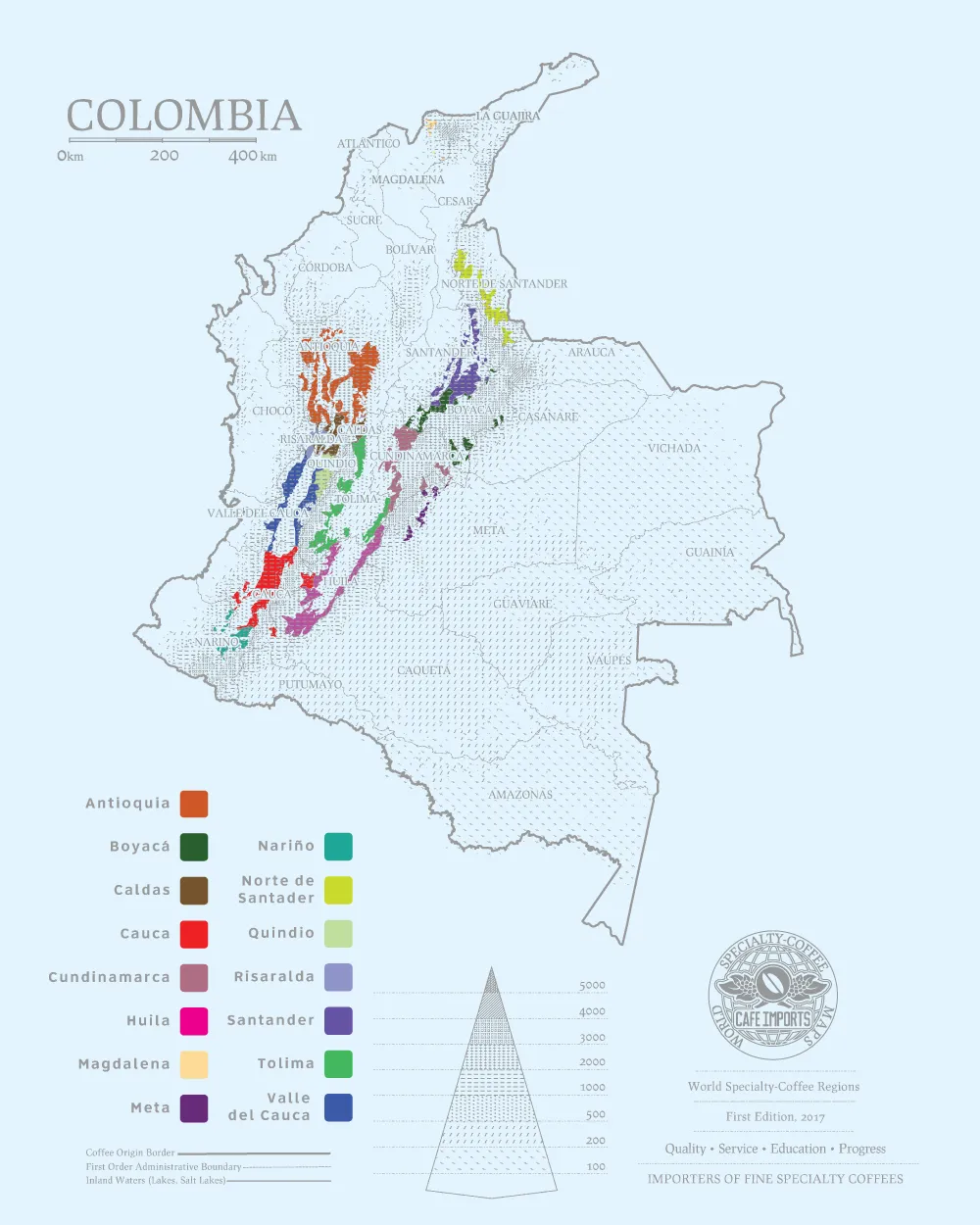
The main coffee-growing regions in Colombia include Cauca, Santander, Narino, Tolima, and Huila. There are two harvest seasons each year: the main season runs from October to January, and the secondary season from April to July.
Tolima: Located in central-western Colombia, Tolima is the country’s third-largest coffee-producing region, accounting for 12% of Colombia’s annual coffee output. Coffee is grown on the gentle slopes at a calm altitude of 1,544 meters. Farms in this region are slightly larger than those in southern Colombia, typically ranging between 10 and 15 hectares in size. The Tolima region is home to several well-known coffee farms, such as Finca Santa Ana and Finca Montreal, among others.
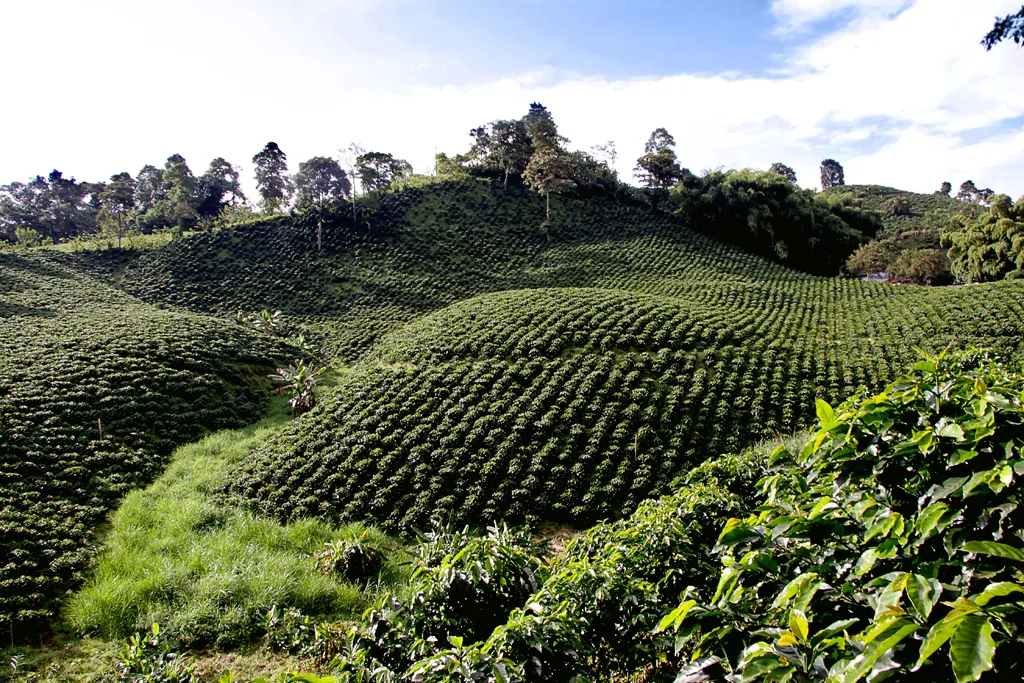
Montreal Estate (Montreal)
The owner of Montreal Estate (Montreal) is Duberney Cifuentes Fajardo. Currently, Duberney owns two coffee farms: Montreal Estate (Montreal) and La Espana 1. Both are managed by Duberney along with his family and friends.
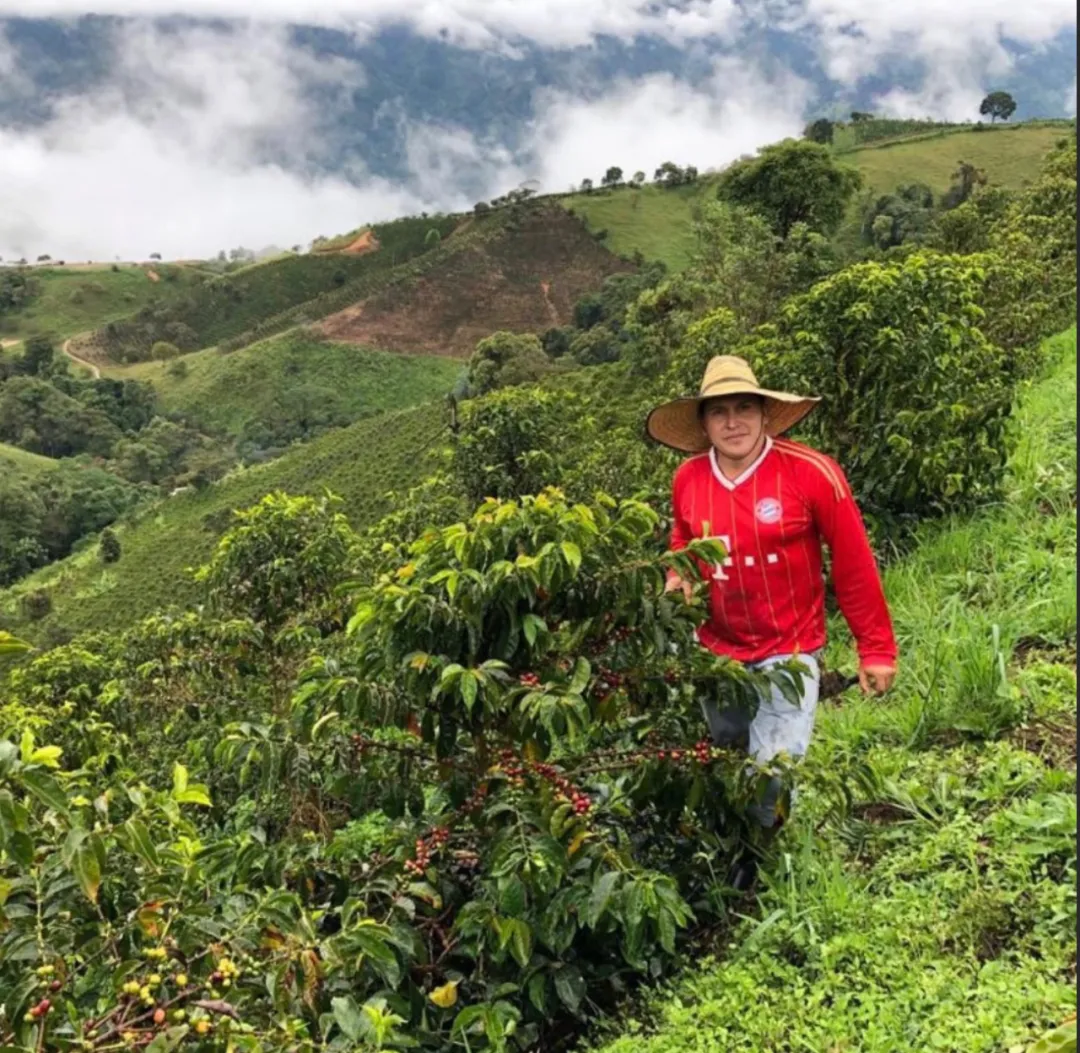
His repeated successes are attributed to Duberney’s previous role as a technical specialist at Caravela, a well-known specialty green coffee trader. Through his work there, he gained extensive experience in caring for coffee trees and mastering coffee processing techniques, which he later applied to his own farm. The estate currently grows varieties such as Geisha, Caturra, and Sidra.
Related Reading






Comments (0)
Loading comments...
You May Be Interested




Trending Reviews
Popular Videos

With you, wherever you are! We provide useful features to help you find new things you'll love






