Source:Best Coffee > News Author:qjroot Published:2024-12-02 11:23:48
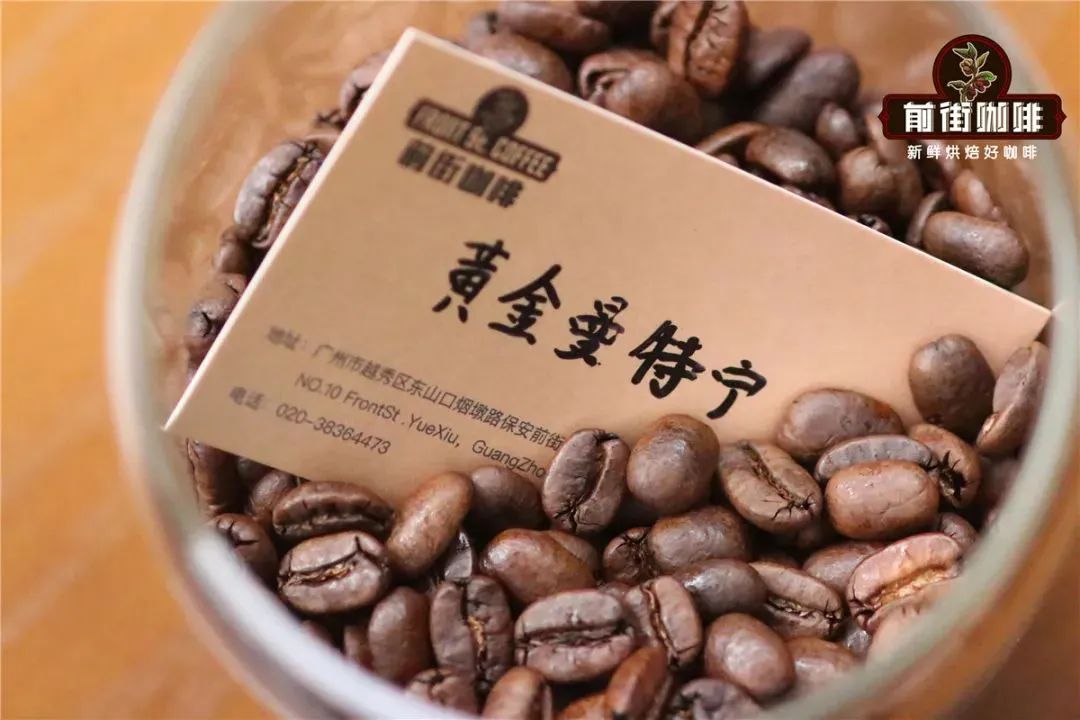
When it comes to deep-roasted coffee, many people think of Asian coffee beans, most commonly coffee from Indonesia. Mandheling coffee in particular is famous for being rich, full-bodied and aromatic. At FrontStreet Coffee, there are currently two Mandheling coffees: Lintong Mandheling and Golden Mandheling. Golden Mandheling coffee beans are processed using the wet-hulled method; after brewing, they have flavors of toasted bread, pine wood, caramel and cocoa, with a rich, full-bodied mouthfeel, a complex, layered, intense and balanced overall profile, and a long-lasting caramel sweetness in the finish.
People who buy Mandheling regularly may ask: why is the wet-hulled method used for most of them?
In fact, the main reason for this is adapting to local conditions. Indonesia is the world's largest archipelagic country, located in the tropics and mainly characterized by a tropical rainforest climate, with an average annual temperature between 25-27°C. Most regions are hot and rainy, with a warm and humid climate, short sunshine hours, and humidity that stays as high as 70%~90% year-round. As a result, the rainy weather makes it difficult for Indonesia to dry coffee cherries through long sun exposure the way other countries do. In addition, during the washed process, after the coffee cherries ferment in water, it is also difficult to get enough sunlight to dry them, and during the process they may even become moldy or smelly due to the high-temperature, high-humidity environment.
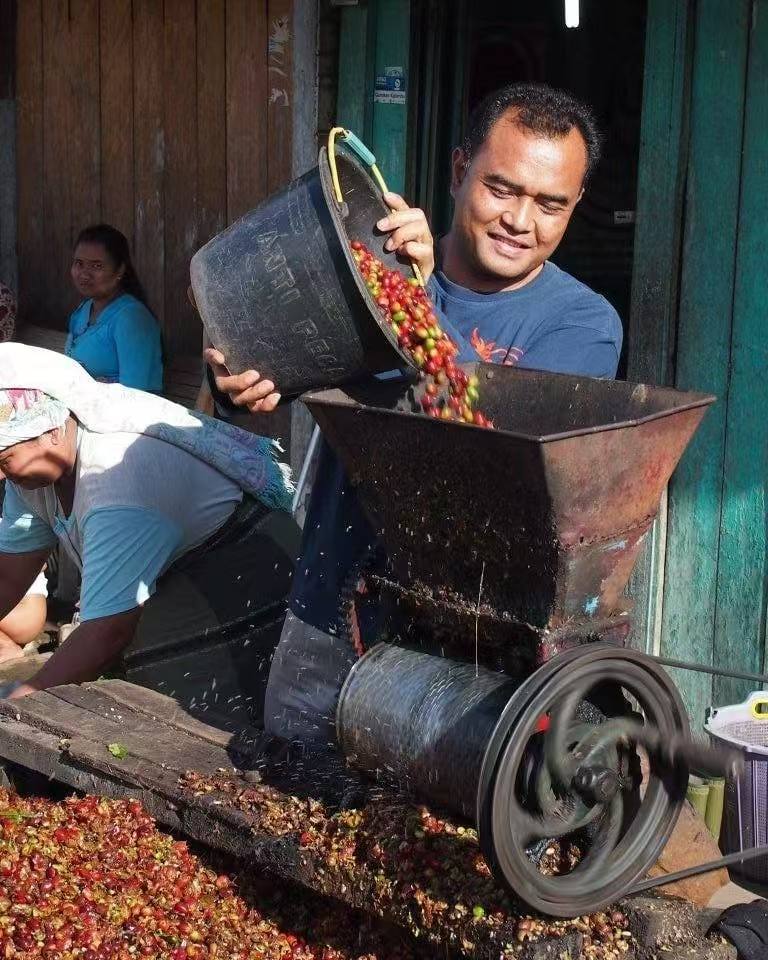
Therefore, the wet hulling method (Wet Hulling, called Giling Basah in Indonesian) was born. This processing method is also known as "semi-washed processing." The first half of the process is similar to traditional washing, but the detailed steps differ from washed processing. In wet hulling, after fermentation there is a short period of sun drying, and while the moisture content is still relatively high, the parchment layer is removed directly by a specialized machine, followed by final drying. This approach can greatly shorten the drying time of the coffee beans, cutting the entire drying process by a full half compared with washed processing.
In addition, at that time Indonesia was under Dutch colonial rule, and coffee cultivation and export were also controlled by the Dutch. At the time, the wet-hulled method could not only effectively shorten the coffee processing time, but also reduce labor input, leaving a large profit margin. Therefore, not long after the wet-hulled method emerged in Indonesia, it was promoted on a large scale.
Now, after the coffee cherries are harvested, poor-quality coffee is first selected out through floatation, and then a machine is used to remove the outer skin and pulp of the coffee fruit. The green coffee beans with mucilage and parchment layer are placed in a water tank for fermentation. During this period, fermentation can break down the mucilage layer of the beans, and it ends after about 12~36 hours of fermentation, yielding coffee beans with the parchment layer.
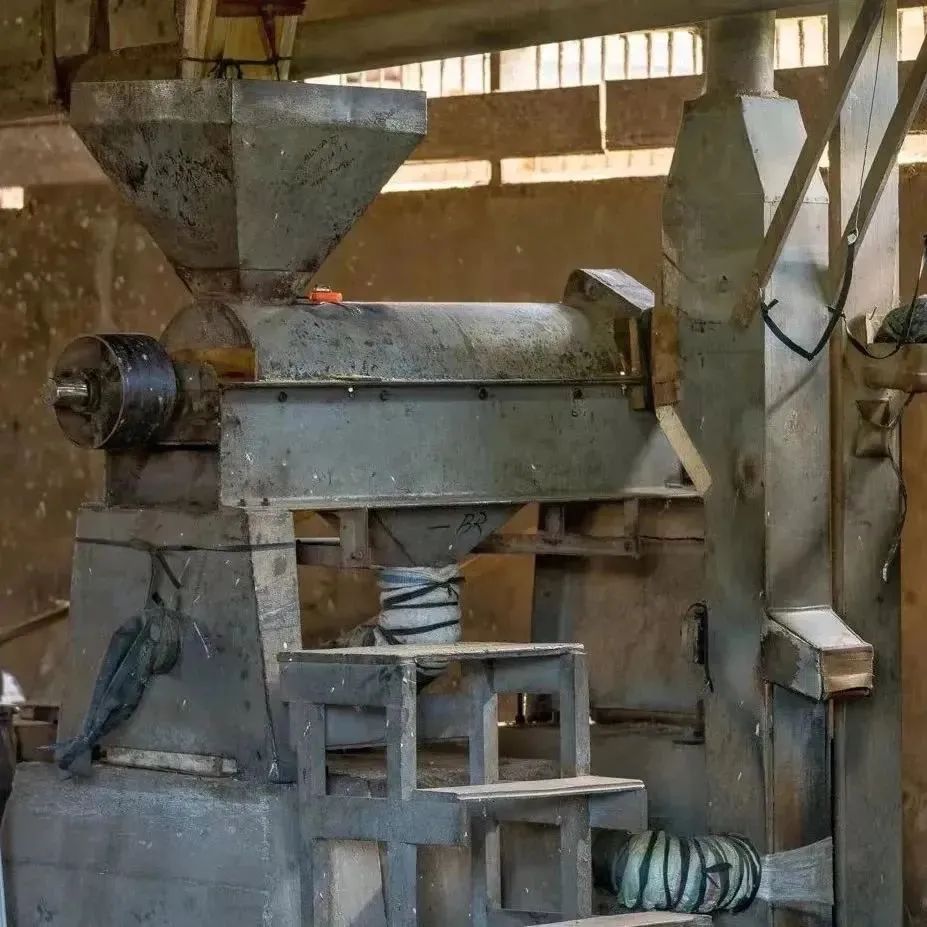
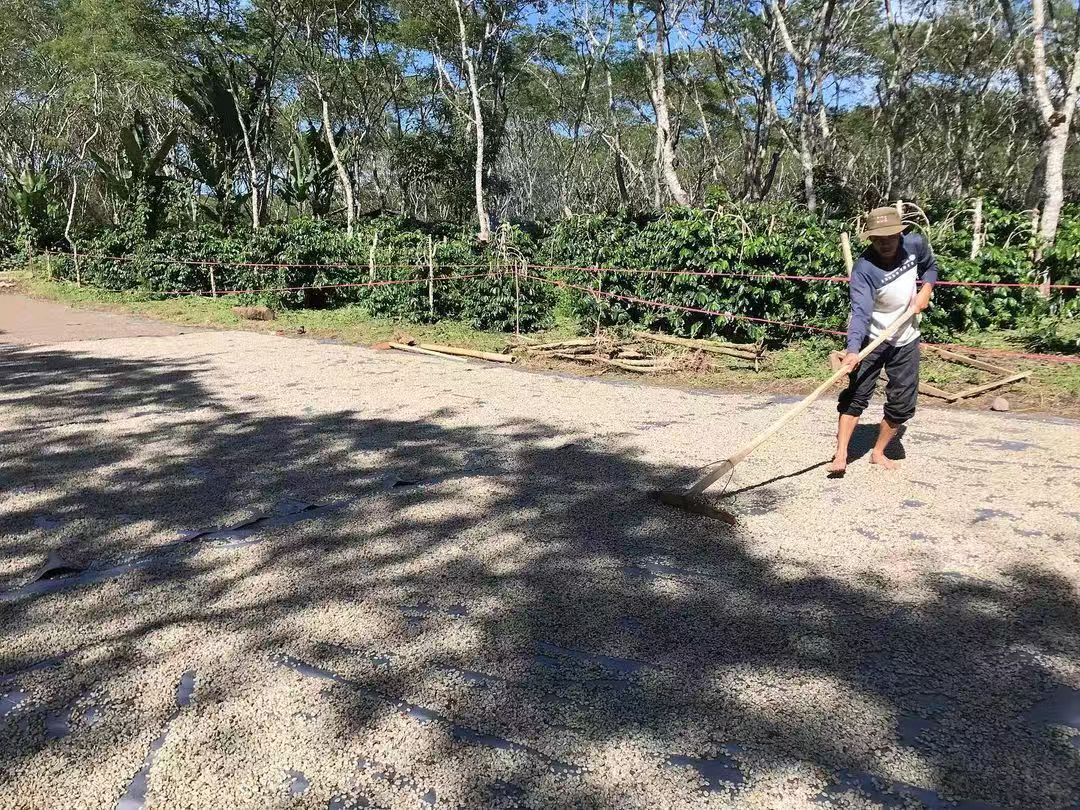
After that, the coffee beans with the parchment layer are placed under the sun to dry. This depends on the weather. Sun-dry until the coffee beans reach a moisture content of 30% to 50%, then use a hulling machine to remove the parchment layer from the coffee beans, and finally reduce the moisture content of the coffee beans to 12% by drying.
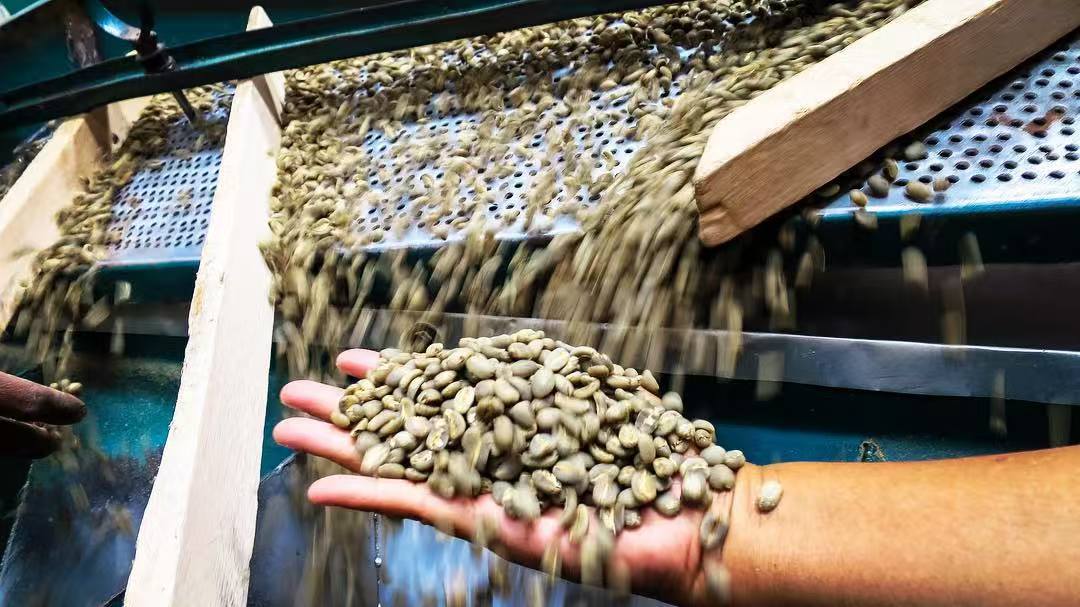
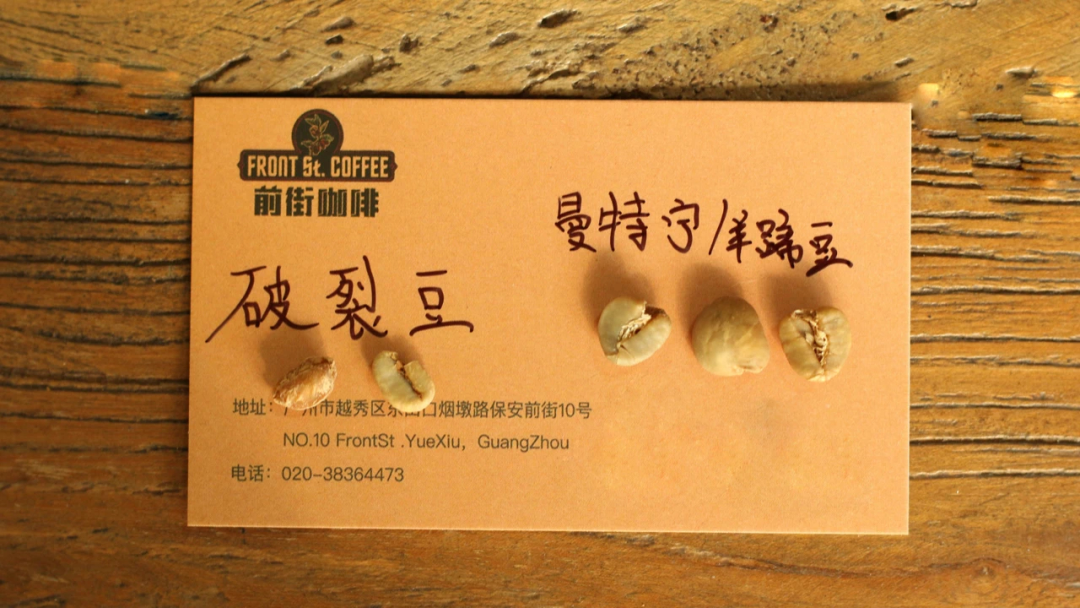
Although this method suits the local climate very well and speeds up the processing flow, it also has a drawback: it easily produces goat-hoof beans. Because the process of using a huller to remove the parchment layer from the coffee beans is very violent, it is very easy to crush and bruise the green coffee beans while removing the hull, especially at the front and back ends of the beans. Some coffee beans will develop cracks similar to a goat's hoof, which is why people call them "goat-hoof beans." However, "goat-hoof beans" are relatively rare in PWN Golden Mandheling coffee beans, which should be due to an improved processing flow.
Today's PWN Golden Mandheling is produced by the Pawani Coffee Company. Almost all of Indonesia's best-producing regions have been acquired by the company, so the vast majority of coffee beans that come out of PWN are specialty-grade lots. In addition, because PWN has trademarked Golden Mandheling, only Mandheling produced by PWN is a true "Golden Mandheling."
After purchasing green coffee, PWN also arranges for manual 3 rounds of hand sorting, removing defective beans, small beans and ugly-looking beans. What remains are large, plump beans with few defects. This practice improves the coffee's cleanliness, which is why Golden Mandheling is priced considerably higher than other Mandheling coffees.
To learn more about coffee origins and information, please scan the QR code to follow: Kaping
Long-press the QR code to follow:

TRANSLATE with x
English
TRANSLATE with
COPY THE URL BELOW
EMBED THE SNIPPET BELOW IN YOUR SITE Bing Webmaster Portal
Related Reading

Comments (0)
Loading comments...
You May Be Interested


Trending Reviews
Popular Videos

With you, wherever you are! We provide useful features to help you find new things you'll love






