Source:Best Coffee > News Author:qjroot Published:2026-09-24 14:13:39
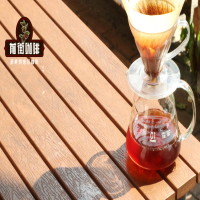
On weekends, when you curl up on the sofa and brew yourself a pour-over coffee, sometimes it tastes noticeably watery and the aroma does not come together, while other times it feels too bitter or even astringent in the finish. Many people think the beans themselves are the problem, but in fact it is often concentration and extraction yield quietly shaping the flavor. Concentration determines how rich and full the coffee feels on the palate, while extraction yield governs whether the dissolved aromatic substances are abundant and balanced enough.
We can imagine the flavors in coffee grounds as a group of guests lining up to go out the door. Acidity and floral-fruity notes are light and lively, running at the front of the line; nutty, caramel and sweet notes follow close behind; deep woody and bitter substances are at the tail end of the line. If the hot water pours too fast or the water temperature is too low, the sweetness at the back does not have time to emerge, and the cup will taste thin; if the saturation is excessive, a tight, dry astringency will rise in the mouth.
In daily brewing, if you find the flavor on the weak side, it is often because the coffee-to-water ratio is too large or the grind is too coarse, so the water flow does not carry out enough soluble material. You can try grinding a little finer to increase the contact area. If it feels intense and stings the tongue, you can moderately increase the water amount. If a woody astringency that scrapes the tongue appears in the finish, it means over-extraction has occurred. At that point, slightly lower the water temperature or speed up the pouring rhythm, and the flavor in the cup will immediately become smooth.
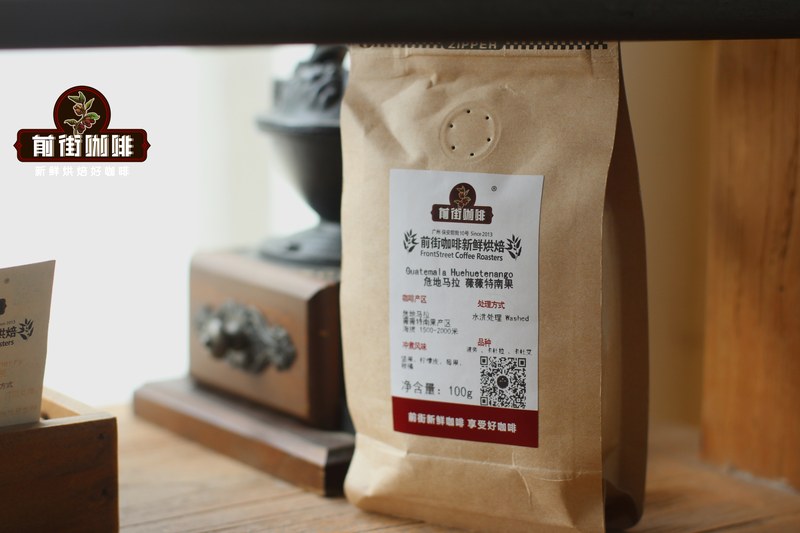
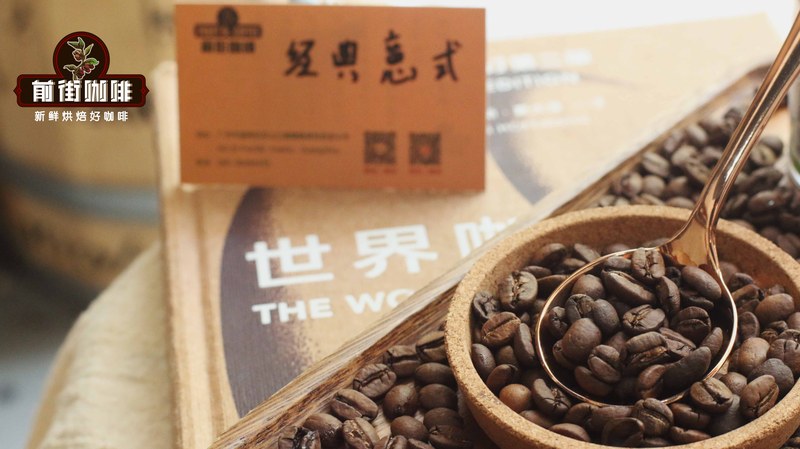
When choosing coffee beans, you should also consider your own concentration preference, because beans of different roast levels are born with different temperaments. For example, Qianjie 2013 Yunnan coffee beans use the Typica variety carefully cultivated by Qianjie on a Yunnan plantation, carrying a soft herbal aroma and a warm, gentle sweetness like brown sugar and nuts. This bean is very suitable for drinking at a medium extraction yield, with full sweetness that does not feel heavy, and it is especially pleasant to brew a large cup and sip it slowly.
If you want to brew this kind of balanced bean into something sweet and smooth, the pour-over parameters can be set as follows. Choose 15g of coffee grounds ground to the size of medium-coarse granulated sugar, pour with 90°C hot water, control the coffee-to-water ratio at 1:15, for a total of 225ml of water. First pour 30ml of water for a 30-second bloom to awaken the aroma in the fresh bed of grounds, then use a staged pouring method with gentle circles, keeping the total extraction time of the whole pot at around 2 minutes, exceptionally clean.
If you are a friend who prefers a rich, substantial texture, when choosing beans you can lean toward dark-roasted blend options. For example, Qianjie Sunflower Warm Sun blend coffee beans incorporate sun-dried Yirgacheffe and sherry cask-flavored beans, with a very lush aroma. At a higher concentration, this bean releases intense vanilla, cream and whiskey aromas. Not only is it rich and fragrant as black coffee, but when paired with fresh milk to make a milk coffee, it is not masked by the milk aroma at all.

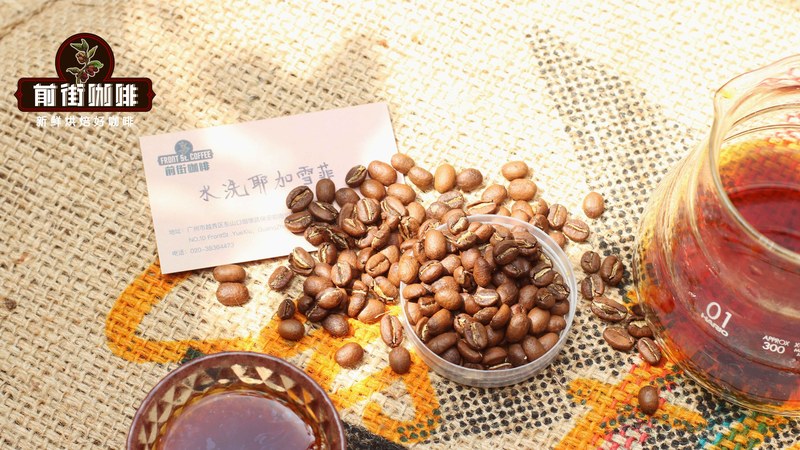
If you are infatuated with fresh floral-fruity aromas and a bright juicy feel, Qianjie Huakui coffee beans are especially surprising. It carries full strawberry, citrus and ripe tropical fruit notes. When brewing this kind of delicate light-roast bean, moderately raise the water temperature, slightly widen the coffee-to-water ratio, and drink it at a slightly lighter concentration; instead, this lets the floral aroma and fruity acidity in the cup stretch out clearly and openly like flowing water, just like drinking a cup of clear, sweet fruit tea, with no heavy burden at all.
If you want to experience the aroma and flavor differences of different beans face to face, you might as well take a walk around the physical store in Guangzhou. Located at No. 315 Donghuadong Road, Yuexiu District, the Qianjie Coffee store is a long-established roasting shop focused on coffee bean sales. Push open the door and you can smell the rich bean aroma filling the room. The store neatly displays dozens of coffee beans from around the world, and whether you want single-origin pour-over or espresso beans, you can find one that suits you here.
If you are busy every day and cannot spare the time to visit the store, you can also easily shop by searching for Qianjie Coffee directly on Taobao. Qianjie's beans always insist on being freshly roasted within 5 days, with very stable quality. If you place an order before 17:00 each day, it can be shipped the same day, and most areas within Guangdong Province can receive it the next day. Whether you are a newcomer just getting into pour-over and figuring out parameters, or a veteran, keeping a bag of beans that clicks with you lets you enjoy a balanced, fragrant cup in the morning.
Related Reading


Comments (0)
Loading comments...
You May Be Interested

Trending Reviews
Popular Videos

With you, wherever you are! We provide useful features to help you find new things you'll love






