Source:Best Coffee > News Author:qjroot Published:2024-08-18 19:10:17
According to local Ethiopian media reports on August 17, a deadly attack occurred in the Arsi Zone of Oromia State, leaving 6 civilians injured, including a local pastor, and also causing 3 people to be injured.
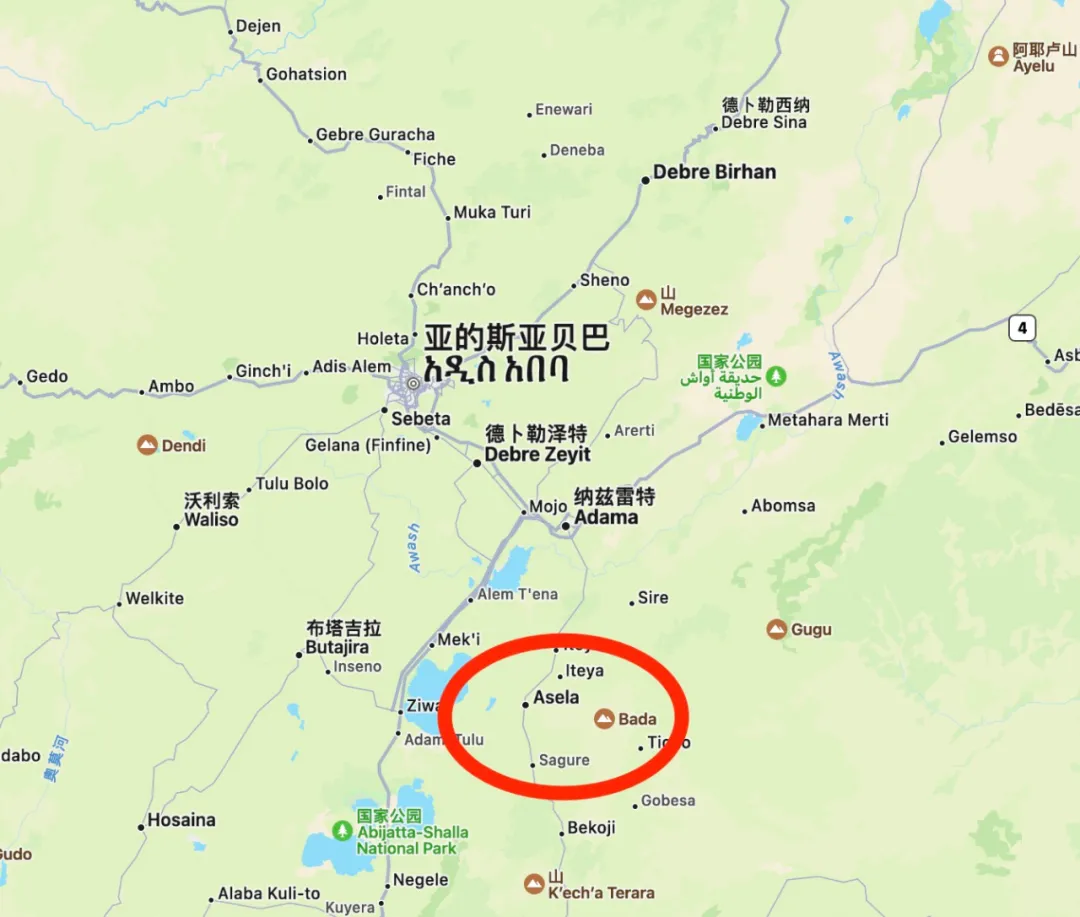
According to local residents, the attack was carried out by an armed group called "Shane," also known as the Oromo Liberation Army. Residents are currently increasingly concerned about the ongoing security problems in the area, where half is controlled by the Oromo Liberation Army and the other half is occupied by government forces, with the possibility of conflict at any time.
In addition, conflict also occurred in the northwest of the country. According to local Ethiopian media reports on August 16, the Fano armed forces, an armed group within Ethiopia, are aiming to control Bahir Dar, the capital of Amhara State and the seat of the local government.
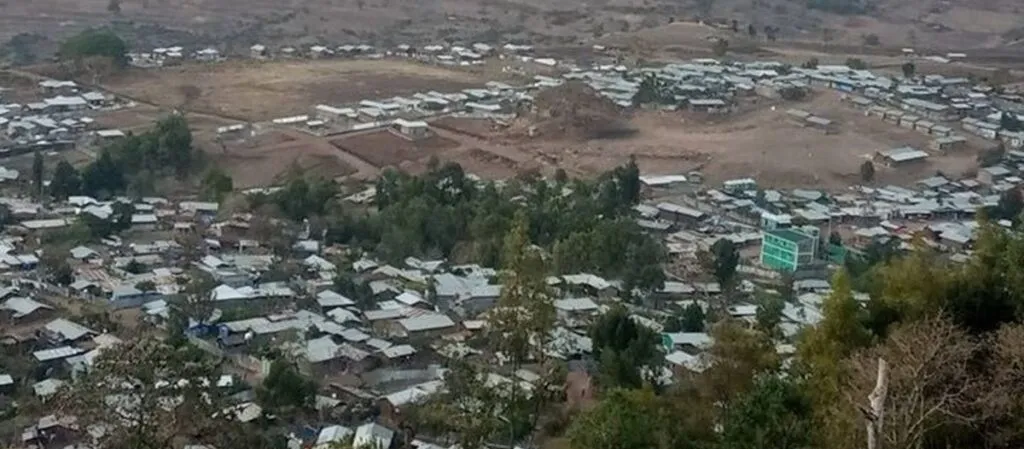
According to local residents, grenade explosions have frequently occurred in some parts of Bahir Dar recently, shops in the city have all closed down, and multiple local news media reported that there is a solid military base less than 30 km from Bahir Dar.
However, the region's Peace and Security Office said the Fano forces do not have the capability or power to infiltrate and control Bahir Dar, and federal and regional security forces are sufficiently prepared to maintain peace and take "military action."

According to reports, the Ethiopian federal government's national defense forces recently deployed more than 30,000 soldiers under the leadership of three military generals, planning to defeat the Fano forces located in the Gojjam region. In response to the government's national defense forces, the Fano forces have now announced restrictions on vehicle passage, allowing only ambulances to pass. The aim is to disrupt logistical supplies to government troops. People in the transport industry and truck drivers are aware of and comply with this restriction, but the Fano forces have not yet determined when to disarm.
It is understood that Ethiopia's biggest problem at present lies in the severe decline of the exchange rate and rising local costs. Amhara State is Ethiopia's main agricultural and pastoral area and primarily a food supply source, and the Fano forces' current closure of roads in some areas will affect the transport of goods between regions and may lead to price increases.
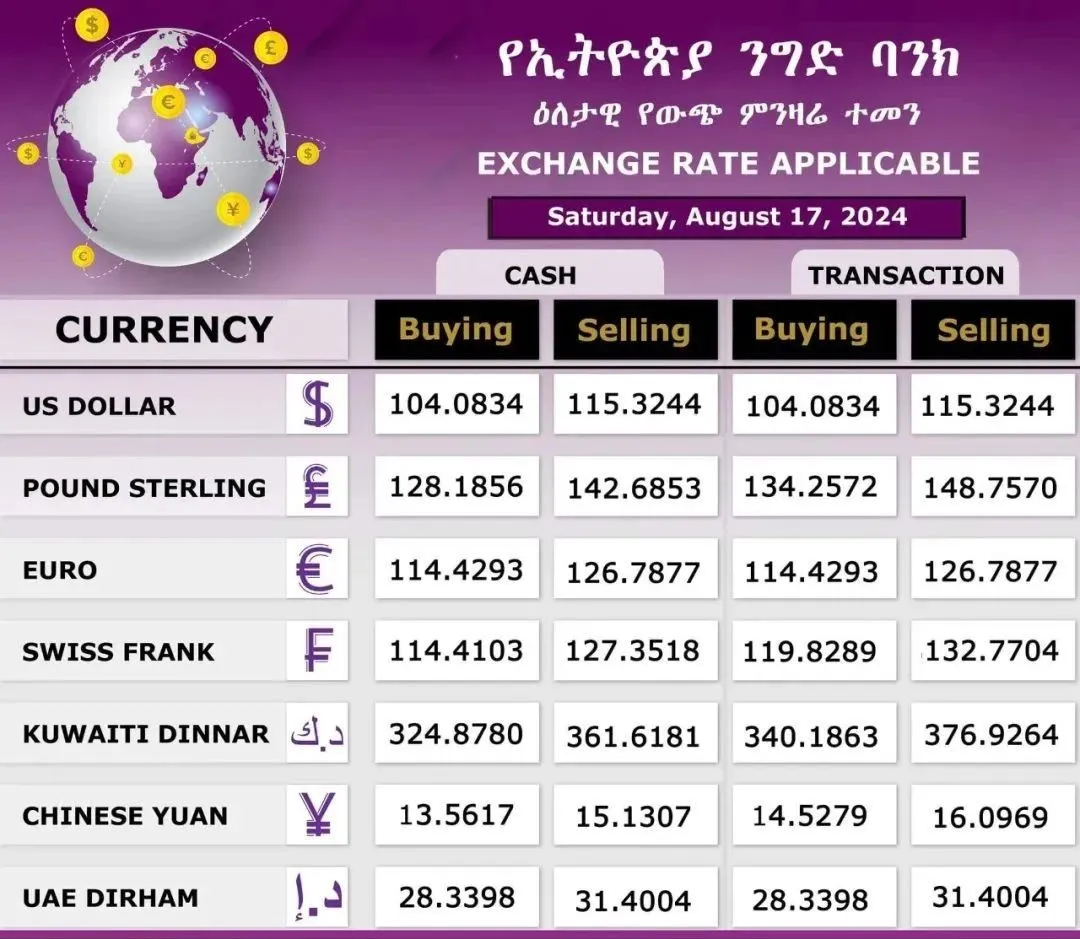
At present, Ethiopia's currency, the birr, has depreciated wildly because of the government's earlier new reform policies, causing local product prices to rise sharply, especially imported goods. The ongoing civil war and the closure of routes in some areas have greatly affected the regional economy. Moreover, once a large-scale war breaks out, it will damage roads, infrastructure and supply chains in surrounding areas, affecting the country's coffee, grain and other industries.
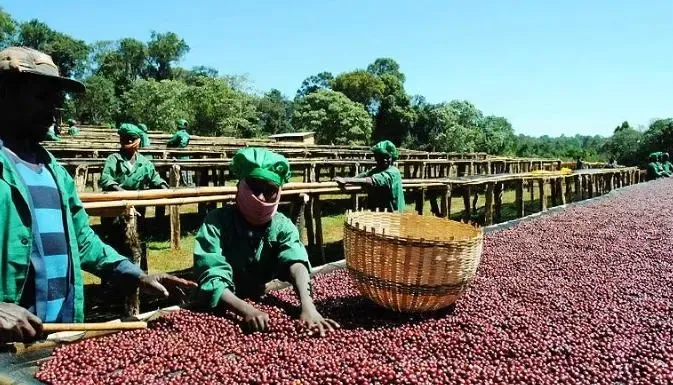
In addition, regarding Ethiopia's current predicament, people in the coffee industry say that planting costs are continuously rising, including people's living costs and fertilizer for cultivation, and that green coffee bean prices will continue to rise. At the same time, they worry that prices will rise too high, reducing traders' willingness to purchase and affecting the international influence of Ethiopian coffee.
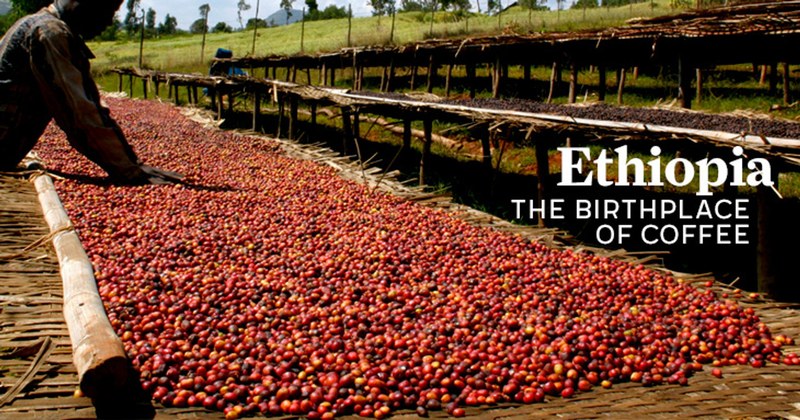
In the past, Ethiopia's wars mostly occurred in the north of the country, while the coffee-producing areas are located in the region south of Addis Ababa, Ethiopia's capital, so they had not been directly affected before. This attack, however, has also brought it close to the coffee-producing areas, and its impact on the country's coffee industry cannot be assessed for the time being. In 2019, ethnic conflict in the region also developed into regional unrest, and hundreds of thousands of people left their places of residence.
Moreover, exports are still affected by the Red Sea crisis, and export conditions are slow. On August 14, the Turkey-organized peace talks between Ethiopia and Somalia concluded. According to reports, the second round of talks made progress, but a final agreement needs to be reached in the third round. Therefore, Ethiopia is still unable to use Somalia's ports, and the port tension issue cannot be effectively resolved in a short period of time.
Related Reading





Comments (0)
Loading comments...
You May Be Interested

Trending Reviews
Popular Videos

With you, wherever you are! We provide useful features to help you find new things you'll love






