Source:Best Coffee > News Author:qjroot Published:2026-10-07 18:11:43
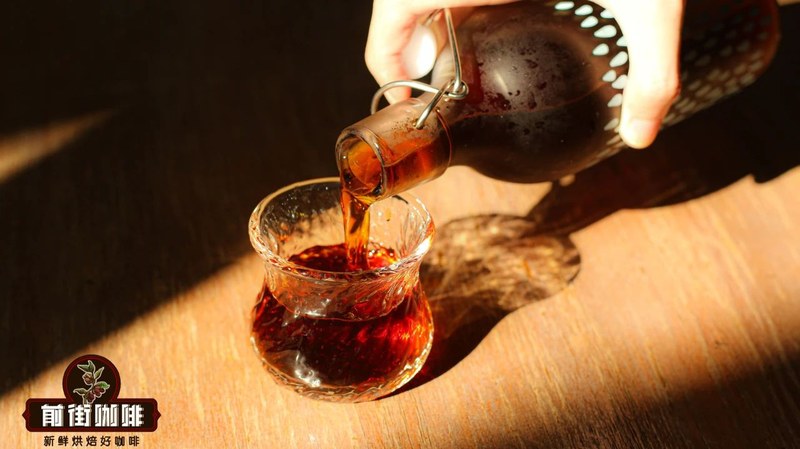
At my home, there is always an ordinary French press sitting out, paired with a gooseneck kettle - that is my entire setup for making morning coffee. A French press is immersion extraction: the coffee grounds sit quietly in the water for a few minutes, and the metal filter does not block the oils the way paper filters do, so the liquid that comes out carries a thin sheen of oil, tastes especially thick and rounded on the palate, spreads sweetness generously, and has a long finish. This highly forgiving method is especially suited to people who have not yet bought a digital scale and do not want to memorize complicated steps - estimate the dose with the scoop that comes with it, heat the water until it has just come off the boil, steep long enough, then press down.
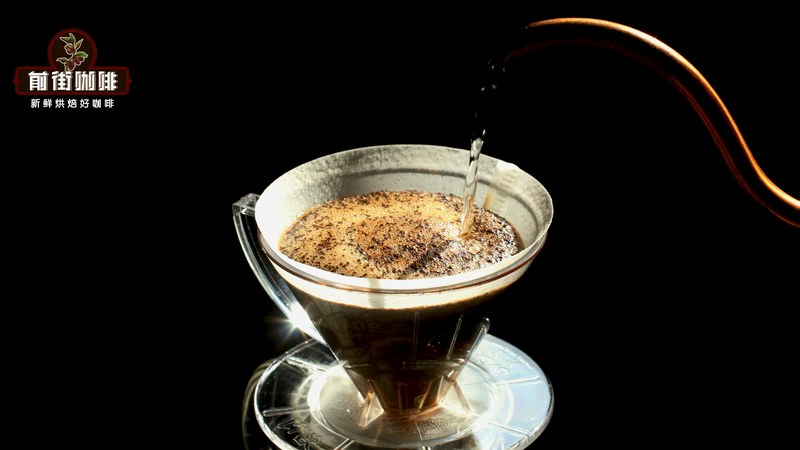
Pour-over follows a different logic. The paper filter traps most of the oils and fine particles, so the cup is clean, and the flavor layers unfold one by one like peeling an onion, with floral notes and fruit acidity each distinct. But pour-over really depends on technique: the size of the stream, the speed of the circling pour, the height of the pour - if any one of these is unsteady, the cup will swing between strong and weak. On occasional weekends when I have the leisure, I will set up the pour-over kettle; on workdays when I am rushed, I go back to the French press, steep for four minutes while I wash up, and by the time I return it is just right to press the filter and pour a cup.
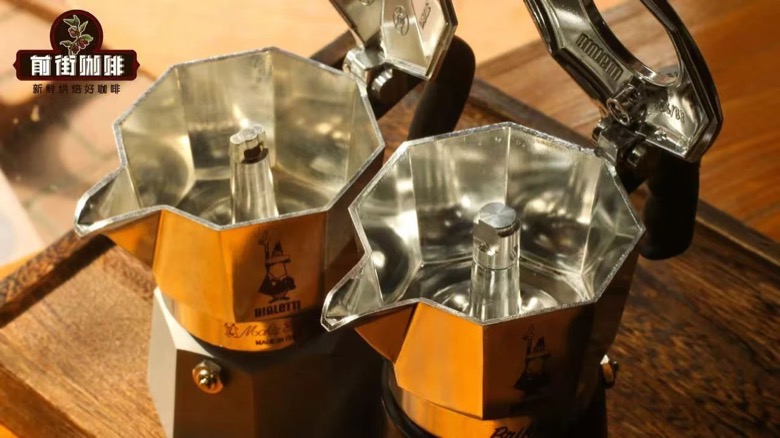
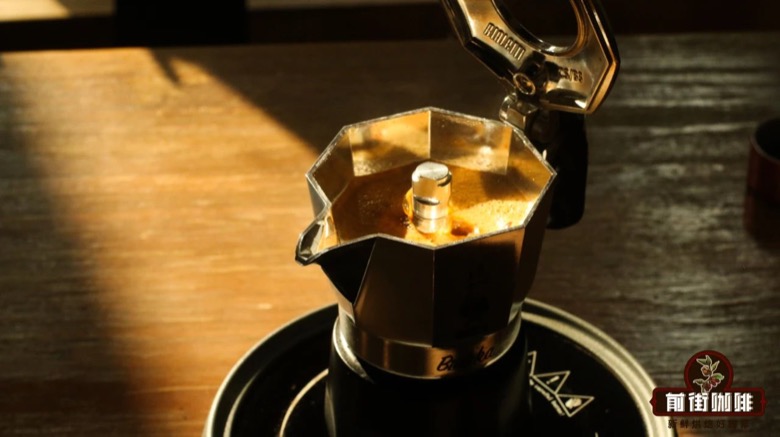
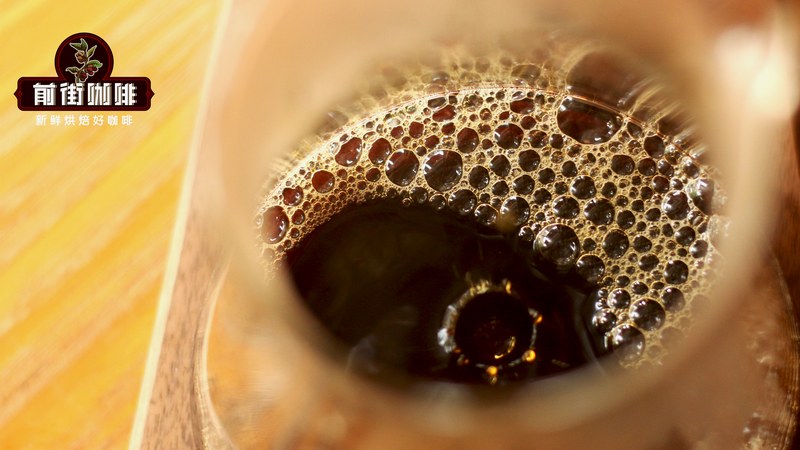
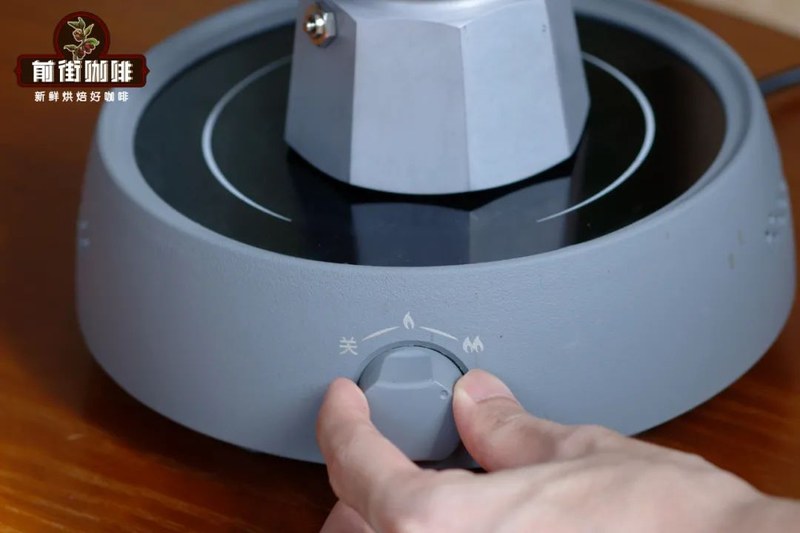
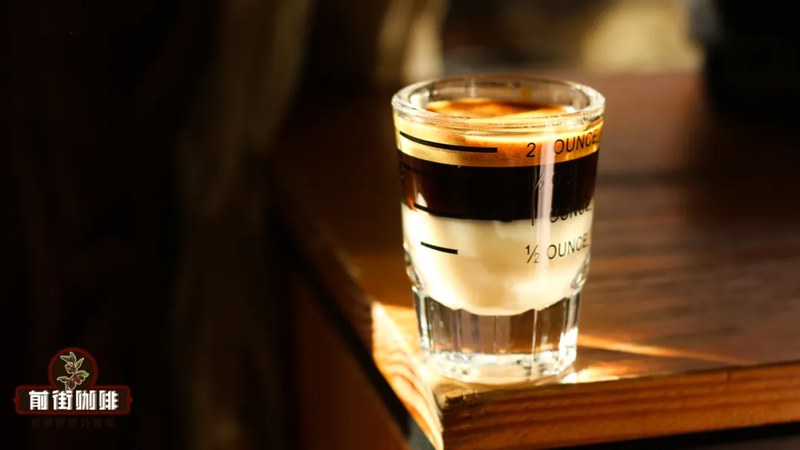
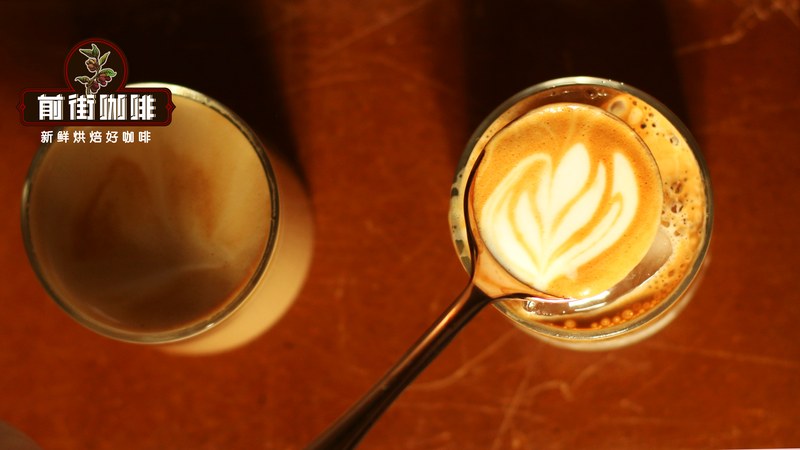
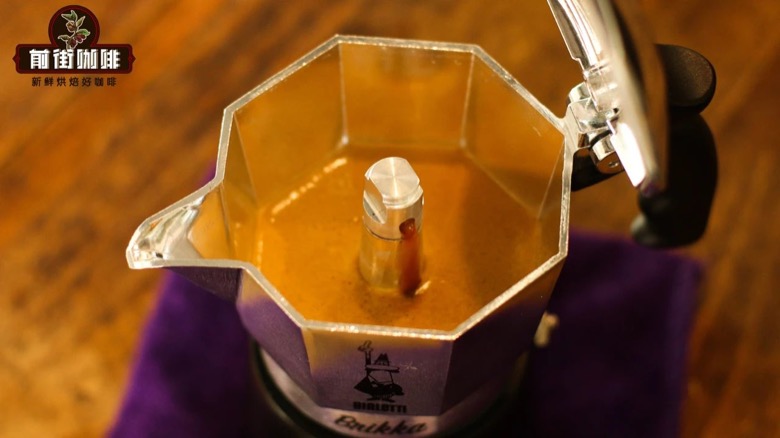
A moka pot uses steam pressure to push water through the coffee bed, giving a concentration higher than the previous two, and a layer of foamy oils rises in the upper chamber; it drinks with a strength close to espresso, suited to people who like a low-acid, full-bodied profile. An espresso machine is another order of magnitude entirely, with especially rich oils and especially high concentration, very suitable as the base for lattes and cappuccinos. However, I do not have that machine at home, and I do not plan to set aside that much budget and counter space for one milk coffee.
As for bean matching, the immersion nature of the French press magnifies body, so I lean toward medium-dark roasts and blends with good oil performance. Qianjie Classic Blend takes the Mamba route, combining Indonesian Mandheling with Brazilian Red Bourbon, medium-dark roasted, with a solid aroma of butter-fried chestnuts and an obvious caramel note; brewed in a French press it is like biting into a freshly baked chestnut cake. Qianjie Queen's Estate SOE is a high-altitude Brazilian Yellow Bourbon, medium roasted, with tones of creamy peanut and toasted bread, quietly sweet and not high in acidity. This one is highly compatible - a French press, moka pot, pour-over, and even an espresso machine can all handle it - making it the safe choice when you only buy one bag of beans at home.
If you want to taste bright fruit acidity in a French press, you have to pick the right beans. Qianjie Xizhua SOE comes from Colombia Huila Finca La Divisa, double anaerobic natural processed, medium roasted; the sweet-tart notes of blueberry juice and passion fruit really pop, and the apricot finish is clear too - beans this full of juice brewed in a French press come out heavier than pour-over, yet the acidity stays lively, making this my choice when I want to change flavors. Qianjie Huakui SOE, by contrast, is a natural Ethiopian Sidamo Hambela, medium roasted, with red berries and light floral notes, plus a hint of citrus in the oils; the mouthfeel is refreshing and elegant, and in summer it is especially pleasant made as iced French press: tighten the coffee-to-water ratio to about 1:12 to build concentration, then after steeping pour it directly over 120g of ice, and the sweetness becomes even clearer after cooling.
On specific parameters, I usually grind to a coarse sugar particle size, 15g of coffee to 225g of water, with daily range floating between 1:12 and 1:18 depending on taste. Water temperature depends on the roast level: for light roasts go toward 94°C, for dark roasts drop to about 88°C, and commonly 92-93°C. Steeping time is set at 3 to 4 minutes, then slowly press down the filter and pour immediately to avoid over-extraction and astringency. You do not need to memorize these numbers too rigidly; the key is to fix one method for the same bag of beans, and after two or three cups you will know which direction to adjust.
Qianjie's beans ship fresh; after receiving them, rest them for about 4 days before opening, and the flavor holds better if you finish them within a month. Home equipment choice ultimately comes down to two things: taste preference and how much effort you are willing to spend. If you like clean layers and enjoy the brewing process, pour-over is worth the investment; if you pursue high concentration and a milk-coffee base, a moka pot or espresso machine is the direction; if you want something simple and stable, with a thick sweetness in every cup, the French press is the vessel you will never put down. I chose it because morning time is limited, and this pot has never once made me panic amid the aroma of coffee.
Related Reading

Comments (0)
Loading comments...
You May Be Interested



Trending Reviews
Popular Videos

With you, wherever you are! We provide useful features to help you find new things you'll love






